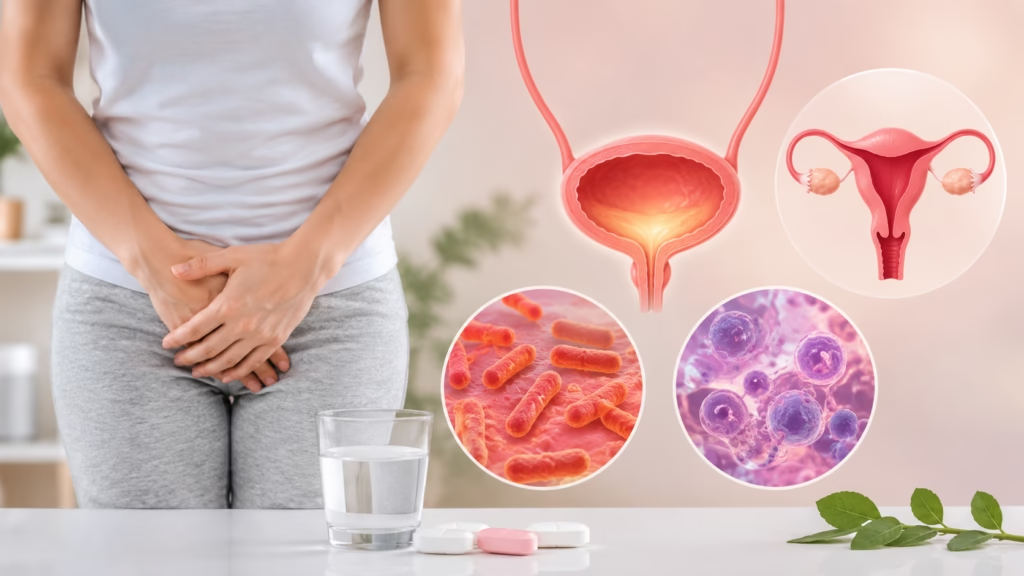
Learn how to identify and manage the symptoms of urinary tract infections and bacterial vaginosis when they occur at the same time with medical guidance.
Notice symptoms like burning, unusual discharge, or odor and see a healthcare provider for urine tests or pelvic exam.
Most cases are treated with antibiotics; finish the full prescription to prevent recurrence.
Prevent recurrence by staying hydrated, urinating after sex, practicing front to back hygiene, and avoiding douching or scented products.
Home measures like probiotics and cranberry may help, but consult your healthcare provider before trying, especially if pregnant.
Yes, it is possible to have a urinary tract infection and bacterial vaginosis simultaneously because they are distinct conditions with different causes. Because they require different medications, a healthcare provider must perform separate tests to confirm both diagnoses. Do not attempt to self-treat, as using the wrong medication will not resolve the underlying infection and may lead to complications.
Having a healthy urinary tract and vaginal flora is essential for overall well-being and comfort. Urinary Tract Infections (UTIs) and Bacterial Vaginosis (BV) are common conditions that can affect anyone, but with the right knowledge and care, they can be managed effectively. Let’s explore what UTIs and BV are, and how they can be identified and treated.
Symptoms of UTI and BV
Hey there! Let’s talk about the signs and symptoms of urinary tract infections (UTI) and bacterial vaginosis (BV). These two common infections can cause discomfort but knowing the symptoms can help you seek treatment early.
UTI Symptoms:
Urinary Frequency: If you find yourself running to the bathroom more often than usual, it could be a sign of a UTI.
Burning Sensation: Pain or burning sensation while urinating is a classic symptom of a UTI.
Cloudy or Bloody Urine: If you notice your urine is cloudy, pinkish, or has a strong odor, it could indicate a UTI.
Pelvic Pain: Some people experience pain or pressure in the lower abdomen or pelvic area when they have a UTI.
Fever and Chills: In more severe cases, a UTI can cause fever, chills, and fatigue.
BV Symptoms:
Unusual Vaginal Discharge: A thin, greyish-white discharge with a fishy odor is common in BV.
Itching or Burning: BV can cause itching or burning in the vaginal area, which can be uncomfortable.
Strong Odor: The characteristic fishy odor is usually more noticeable after sex or during menstruation.
Discomfort during Intercourse: BV can cause pain or discomfort during sexual intercourse.
It’s important to remember that symptoms can vary from person to person, and not everyone may experience all of these symptoms. If you notice any of these signs, it’s best to consult a healthcare provider for a proper diagnosis and treatment.
Remember, early detection and treatment are key to managing UTIs and BV effectively. Don’t hesitate to reach out to your healthcare provider if you suspect you may have either of these infections.
In order to better understand urinary tract infections (UTI) and bacterial vaginosis (BV), it’s important to delve into the causes of these common conditions. Let’s break it down in a simple and engaging way!
Causes of UTI
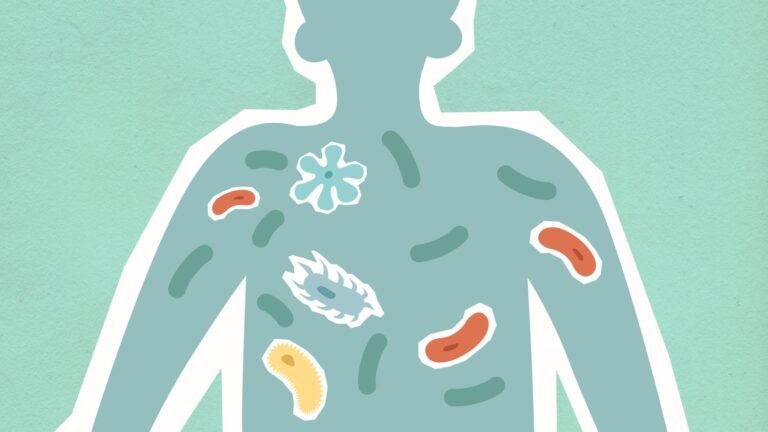
UTIs occur when bacteria enter the urinary tract and multiply, leading to an infection. The most common culprit is Escherichia coli (E. coli), which is normally found in the digestive tract and can easily make its way to the urinary tract. Other bacteria such as Klebsiella, Enterococcus, and Proteus can also cause UTIs.
Sexual Activity: Sexual intercourse can introduce bacteria into the urinary tract, leading to UTIs. It’s important to urinate after sex to flush out any bacteria that may have entered the urethra. Poor Hygiene: Not wiping from front to back after using the bathroom can introduce bacteria from the rectum to the urinary tract, increasing the risk of UTIs. Urinary Tract Abnormalities: Conditions like kidney stones, enlarged prostate, or urinary retention can block the flow of urine, allowing bacteria to multiply in the urinary tract. Suppressed Immune System: People with weakened immune systems are more susceptible to UTIs as their bodies may not be able to fight off bacteria effectively. Menopause: Changes in hormone levels during menopause can lead to thinning of the vaginal walls, making women more prone to UTIs. Catheter Use: Urinary catheters can introduce bacteria into the bladder, increasing the risk of UTIs.
Causes of BV
BV is caused by an imbalance in the normal vaginal flora, where harmful bacteria outnumber the good bacteria. While the exact cause of BV is not fully understood, certain factors can increase the risk of developing this condition.
Sexual Activity: BV is more common in sexually active women, especially those with multiple partners. The exchange of vaginal fluids can disrupt the natural balance of bacteria in the vagina. Douching: Douching can disrupt the natural pH balance of the vagina, making it more susceptible to bacterial overgrowth. Antibiotics: Taking antibiotics can kill off the good bacteria in the vagina, allowing harmful bacteria to flourish and leading to BV. Hormonal Changes: Fluctuations in hormone levels, such as during menstruation or pregnancy, can alter the vaginal environment and increase the risk of BV. Poor Hygiene: Not maintaining good vaginal hygiene, such as wearing tight-fitting underwear or using scented feminine products, can also contribute to the development of BV.
By understanding the causes of UTI and BV, you can take steps to reduce your risk of developing these common conditions. Stay tuned for more information on diagnosis, treatment options, home remedies, and prevention tips for UTI and BV!
Diagnosis of UTI and BV
When it comes to diagnosing urinary tract infections (UTIs) and bacterial vaginosis (BV), it is essential to seek medical advice to confirm the presence of these conditions. Here’s what you can expect during the diagnostic process:
1. UTI Diagnosis:
For UTIs, your healthcare provider will typically ask about your symptoms, medical history, and perform a physical examination. They may also recommend a urine test to check for the presence of bacteria and white blood cells in your urine. This test is crucial in confirming the diagnosis of a UTI.
Additionally, a urine culture may be ordered to identify the specific bacteria causing the infection and determine the most effective treatment. It is important to follow your healthcare provider’s instructions for collecting a clean catch urine sample to ensure accurate results.
2. BV Diagnosis:
When it comes to diagnosing bacterial vaginosis, your healthcare provider will conduct a pelvic exam to check for any unusual discharge, odor, or inflammation in the vaginal area. They may also take a sample of vaginal discharge for testing.
A pH test may be performed to measure the acidity of the vaginal environment, as BV is associated with an increase in pH levels. In some cases, a microscopic examination of the discharge may be done to identify the presence of clue cells, which are indicative of BV.
3. Additional Tests:
In some instances, additional tests such as a pelvic ultrasound or a cystoscopy may be recommended to rule out any underlying conditions that could be contributing to your symptoms. Your healthcare provider will determine the appropriate diagnostic tests based on your individual case.
It is essential to consult a healthcare professional if you suspect you may have a UTI or BV, as prompt diagnosis and treatment are crucial in managing these conditions effectively.
Remember, accurate diagnosis is the key to receiving the appropriate treatment, so do not hesitate to seek medical attention if you experience symptoms of a UTI or BV.
Treatment options for UTI and BV
So, you suspect you might have a urinary tract infection (UTI) or bacterial vaginosis (BV) – what now? Don’t worry, there are plenty of treatment options available to help you feel better.
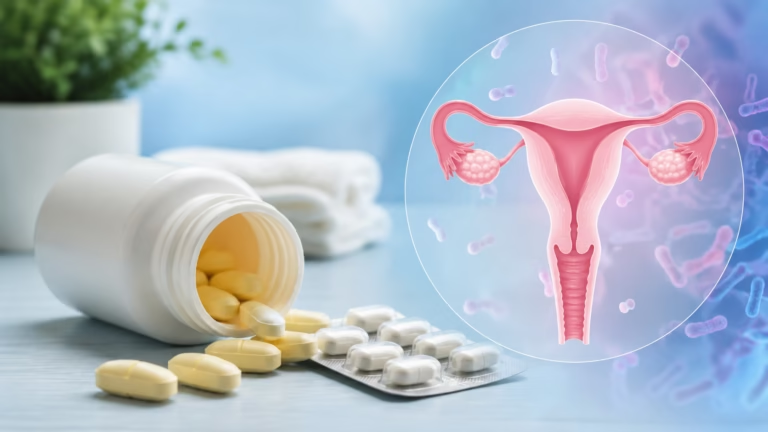
When it comes to UTIs, the most common treatment is a course of antibiotics prescribed by your healthcare provider. These antibiotics help to kill the bacteria causing the infection and alleviate your symptoms. It’s important to finish the full course of antibiotics, even if you start feeling better before you’ve taken them all. This helps to prevent the infection from coming back.
For BV, treatment typically involves antibiotics as well. Your healthcare provider may prescribe oral medication or a vaginal gel or cream to help restore the balance of bacteria in your vagina. It’s important to follow the instructions for using these medications to ensure they are effective.
In addition to antibiotics, there are other treatment options that can help ease your symptoms and promote healing. Over-the-counter pain relievers like ibuprofen or acetaminophen can help with any discomfort or pain you may be experiencing. Drinking plenty of water can also help flush out bacteria and alleviate symptoms.
If you’re experiencing UTI symptoms, you can also try taking over-the-counter urinary pain relief medications like phenazopyridine to help with the burning sensation while urinating. However, these medications only provide symptomatic relief and do not treat the underlying infection, so it’s important to see a healthcare provider for proper treatment.
In some cases, your healthcare provider may recommend natural remedies to help alleviate symptoms of UTIs and BV. Probiotics can help restore the balance of good bacteria in your gut and vagina, which can help prevent future infections. Drinking cranberry juice or taking cranberry supplements may also help prevent UTIs by preventing bacteria from sticking to the walls of your urinary tract.
Remember, it’s important to consult with a healthcare provider before trying any new treatment options, especially if you’re pregnant or have underlying health conditions. They can provide you with personalized advice and ensure you’re receiving the most effective treatment for your specific situation.
By seeking proper treatment and following your healthcare provider’s recommendations, you can effectively manage and treat UTIs and BV. Remember, it’s important to take care of your health and seek help when you need it. Don’t hesitate to reach out to a healthcare provider if you’re experiencing symptoms of a UTI or BV – they’re here to help you feel better!
Remember, it’s important to consult with a healthcare provider before trying any new treatment options, especially if you’re pregnant or have underlying health conditions. They can provide you with personalized advice and ensure you’re receiving the most effective treatment for your specific situation.
Home Remedies for UTI and BV
Dealing with urinary tract infections (UTIs) and bacterial vaginosis (BV) can be uncomfortable and inconvenient. While it’s important to see a healthcare professional for proper diagnosis and treatment, there are some home remedies that may help alleviate symptoms or prevent these infections from occurring in the first place.
For UTI:
Stay Hydrated: Drinking plenty of water helps flush out bacteria from your urinary tract.
Cranberry Juice: Some studies suggest that cranberry juice can prevent bacteria from sticking to the walls of the bladder, reducing the risk of UTIs.
Probiotics: Consuming probiotic-rich foods like yogurt can help balance the good bacteria in your gut and urinary tract, potentially reducing the risk of UTIs.
Avoid Irritants: Stay away from irritating substances like caffeine, alcohol, and spicy foods that can irritate your bladder and make symptoms worse.
For BV:
Good Hygiene: Keeping the vaginal area clean and dry can help prevent BV. Avoid using scented soaps or douches that can disrupt the natural balance of bacteria.
Proper Diet: Eating a balanced diet rich in fruits, vegetables, and whole grains can support a healthy vaginal environment.
Tea Tree Oil: Some women find relief from BV symptoms by applying diluted tea tree oil to the affected area. However, it’s important to do a patch test first to avoid irritation.
Apple Cider Vinegar: Diluting apple cider vinegar in water and using it as a vaginal rinse may help restore the pH balance of the vagina, potentially reducing BV symptoms.
Remember, these home remedies are not a substitute for professional medical advice. If you suspect you have a UTI or BV, it’s crucial to see a healthcare provider for an accurate diagnosis and appropriate treatment. These remedies can be used as complementary measures to help manage symptoms and support overall vaginal health.
By incorporating these simple home remedies into your routine and maintaining good hygiene practices, you may be able to reduce your risk of UTIs and BV. However, if you experience frequent or severe infections, it’s essential to seek medical attention to address the underlying causes and prevent complications.
Prevention of UTI and BV
Welcome to the final section of our guide on urinary tract infections (UTIs) and bacterial vaginosis (BV). Now that you know how to recognize the symptoms, causes, diagnosis, and treatment options for these common infections, let’s focus on prevention. After all, prevention is always better than cure!
Stay Hydrated
One of the simplest ways to prevent UTIs is to drink plenty of water. Hydration helps flush out bacteria from your urinary tract, reducing the risk of infection. Aim to drink at least 8 glasses of water a day to keep your system running smoothly.
Practice Good Hygiene
Maintaining good hygiene is key to preventing both UTIs and BV. Always wipe from front to back after using the restroom to avoid introducing bacteria into the vaginal or urinary tract. Avoid using scented soaps or harsh feminine hygiene products that can disrupt the natural balance of bacteria in the vagina.
Urinate After Sex
After sexual intercourse, it’s important to urinate to help flush out any bacteria that may have entered the urinary tract. This simple step can help prevent UTIs in women.
Avoid Irritants
Avoid using products that may irritate the genital area, such as douches, powders, or perfumed sprays. These products can disrupt the natural balance of bacteria in the vagina and increase the risk of BV.
Wear Breathable Clothing
Tight-fitting clothing can create a warm, moist environment that promotes bacterial growth. Opt for breathable cotton underwear and loose-fitting clothing to allow for better air circulation in the genital area.
Probiotics
Probiotics are beneficial bacteria that can help maintain a healthy balance in the vaginal and urinary tract. Consuming probiotic-rich foods like yogurt or taking probiotic supplements may help prevent recurrent UTIs and BV.
Regular Check-ups
Regular visits to your healthcare provider are essential for early detection and treatment of any potential infections. Be sure to discuss your concerns and any recurring symptoms to receive appropriate care and guidance.
By following these preventive measures, you can reduce your risk of developing UTIs and BV and promote overall vaginal and urinary health. Remember, taking care of your body is important, so be proactive in maintaining good hygiene practices and seeking medical advice when needed.
Disclaimer
This article is for educational purposes only and does not replace professional medical advice, diagnosis, or treatment. Seizures, severe headache, confusion, visual changes, or blood pressure readings in the hypertensive crisis range require urgent medical evaluation.
You experience high fever, chills, or severe back and side pain.
Symptoms persist or worsen after completing a prescribed course of antibiotics.
You are pregnant and suspect an infection in the pelvic or urinary area.
You notice blood in your urine or unusual vaginal bleeding.
You have recurring infections that happen more than three times a year.
Call your local emergency number if you experience sudden confusion or extreme lethargy.
If symptoms are severe or come on suddenly, call your local emergency number.
Frequently asked questions
Can a UTI cause BV or vice versa?
While one does not directly cause the other, they share common risk factors related to the disruption of natural bacterial balance. Sexual activity, changes in vaginal pH, or the use of certain hygiene products can create an environment where both conditions are more likely to develop. They remain separate infections requiring specific, distinct medical treatments.
Can I use over-the-counter UTI treatments for BV?
No, over-the-counter UTI treatments are designed only to manage urinary pain or symptoms and will not treat the bacterial imbalance associated with BV. Using these products for BV may delay necessary medical care and allow the infection to persist. Always consult a healthcare professional to receive the correct diagnostic tests and appropriate prescription medication.
Is it safe to have sex while treating these infections?
It is generally recommended to avoid sexual intercourse until you have completed your treatment and symptoms have fully resolved. Sexual activity can irritate the affected tissues, potentially worsening discomfort or hindering the healing process. Your doctor can provide specific guidance on when it is safe to resume sexual activity based on your individual recovery progress.
Do probiotics help prevent these infections?
Some research suggests that maintaining a healthy vaginal microbiome with probiotics may support overall health, but evidence is not definitive for preventing active infections. You should not rely on supplements to treat a current UTI or BV. Discuss the use of probiotics with your doctor to determine if they are appropriate for your specific health needs.
Thank you! Your feedback helps us improve our articles.
True Impact Health articles are written by our editorial team and based on reliable sources such as public health agencies, clinical guidelines and peer-reviewed research. This article has not yet been medically reviewed. Read our editorial process.
This content is for general information and is not a substitute for professional medical advice, diagnosis or treatment.