












Health A–Z guide
Urological Health
Urological Health: What You Need to Know About Your Urinary and Reproductive System
Urological health plays a crucial role in overall well-being, yet it is often overlooked until symptoms arise. The urinary system and parts of the reproductive system work silently every day…
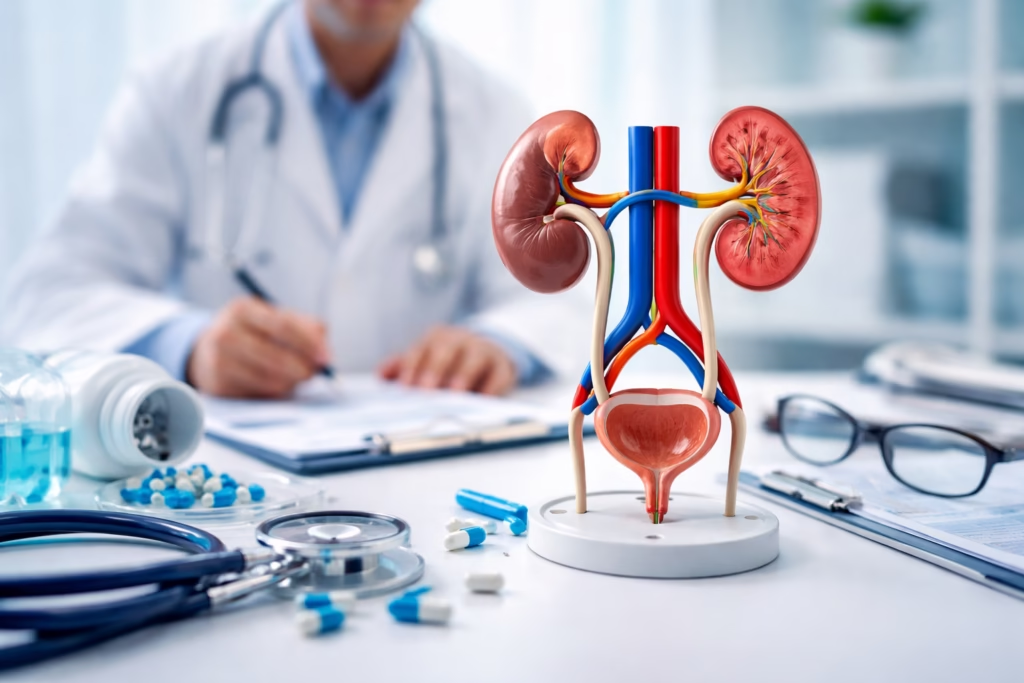
Table of Contents
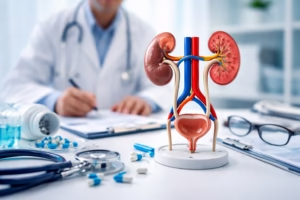
Urological health plays a crucial role in overall well-being, yet it is often overlooked until symptoms arise. The urinary system and parts of the reproductive system work silently every day to remove waste, regulate fluid balance, and support reproductive function. When something goes wrong, such as infections, stones, or urinary difficulties, it can significantly impact quality of life.
This article provides a clear, medically accurate overview of urological health, common conditions, warning signs, diagnostic approaches, and prevention strategies to help you better understand and care for your urinary system.
Overview / Definition: What Is Urological Health?
Urological health refers to the proper functioning of the urinary tract in both men and women, and the male reproductive system. Urology is the branch of medicine that focuses on diagnosing and treating conditions affecting these organs.
The Urinary System Includes:
- Kidneys – Filter blood and produce urine
- Ureters – Carry urine from kidneys to the bladder
- Bladder – Stores urine
- Urethra – Releases urine from the body
In Men, Urology Also Covers:
- Prostate gland
- Testes
- Penis
- Seminal vesicles
Healthy urological function ensures:
- Effective elimination of waste
- Balanced fluid and electrolyte levels
- Healthy sexual and reproductive function (in males)
Causes or Risk Factors for Urological Problems
Urological conditions affect people of all ages. However, certain factors increase the risk of developing issues.
Common Risk Factors:
- Aging – Especially for prostate enlargement and incontinence
- Dehydration – Increases risk of kidney stones and infections
- Urinary retention – Incomplete bladder emptying
- Diabetes – Associated with nerve and kidney damage
- High blood pressure – Contributes to chronic kidney disease
- Obesity – Linked to incontinence and kidney stones
- Smoking – Increases risk of bladder and kidney cancer
- Family history – May predispose individuals to prostate cancer or kidney disease
- Sexual activity without protection – Risk of sexually transmitted infections (STIs)
Understanding these factors helps identify individuals who may benefit from early screening or preventive care.
Common Urological Conditions
Several conditions affect urological health. Some of the most common include:
1. Urinary Tract Infections (UTIs)
- More common in women
- Caused by bacterial infection
- Can affect the bladder (cystitis) or kidneys (pyelonephritis)
2. Kidney Stones
- Hard mineral deposits formed in the kidneys
- Often linked to dehydration or dietary factors
3. Benign Prostatic Hyperplasia (BPH)
- Non-cancerous enlargement of the prostate
- Common in men over 50
4. Urinary Incontinence
- Involuntary leakage of urine
- May be stress-related, urge-related, or mixed
5. Prostate Cancer
- One of the most common cancers in men
- Risk increases with age
6. Chronic Kidney Disease (CKD)
- Progressive decline in kidney function
- Often related to diabetes and high blood pressure
Symptoms or Clinical Presentation
Urological symptoms should never be ignored. While some may be mild, others require prompt medical evaluation.
Common Warning Signs:
- Pain or burning during urination
- Frequent urge to urinate
- Blood in urine (hematuria)
- Lower abdominal or flank pain
- Difficulty starting urination
- Weak urine stream
- Urine leakage
- Pain in the testicles or pelvis
- Erectile dysfunction
Seek immediate medical attention for:
- Severe back pain with fever
- Inability to urinate
- Sudden, severe testicular pain
- Visible blood in urine
Early recognition can prevent complications.
Diagnosis or Screening
Healthcare providers use a combination of history-taking, physical examination, and clinical tests to diagnose urological conditions.
Common Diagnostic Tools:
- Urinalysis – Detects infection, blood, or protein
- Blood tests – Assess kidney function (creatinine, eGFR)
- Ultrasound – Visualizes kidneys, bladder, and prostate
- CT scan – Often used for kidney stones
- Cystoscopy – Direct visualization of the bladder with a small camera
- PSA (Prostate-Specific Antigen) test – Screening tool for prostate conditions
Screening recommendations vary by age, sex, and risk level. For example:
- Men may discuss prostate screening with their physician starting around age 50 (earlier if high risk).
- Individuals with diabetes and hypertension should have regular kidney function tests.
Treatment or Management Options
Treatment depends on the specific diagnosis and its severity.
1. Infections
- Typically treated with antibiotics
- Adequate hydration is essential
2. Kidney Stones
- Small stones may pass naturally
- Pain management and hydration
- Procedures such as lithotripsy or surgical removal if needed
3. Enlarged Prostate (BPH)
- Medications to relax or shrink prostate tissue
- Minimally invasive procedures
- Surgery in severe cases
4. Incontinence
- Pelvic floor physical therapy
- Bladder training
- Medications
- Surgical options for certain cases
5. Chronic Kidney Disease
- Blood pressure and blood sugar control
- Diet modifications
- Dialysis or transplant in advanced stages
Treatment plans are individualized and depend on overall health and patient preferences.
Prevention and Lifestyle Considerations
Maintaining urological health involves proactive lifestyle habits.
Key Preventive Measures:
✅ Stay well hydrated
✅ Maintain a healthy weight
✅ Practice good genital hygiene
✅ Avoid smoking
✅ Limit excess salt intake
✅ Control blood pressure and blood sugar
✅ Urinate when needed—avoid prolonged holding
✅ Practice safe sex
For men:
- Regular prostate discussions with a healthcare provider
For women:
- Proper wiping technique (front to back) to reduce UTI risk
Healthy lifestyle habits not only protect the urinary tract but also support overall physical health.
When to See a Healthcare Professional
Consult a qualified healthcare provider if you experience:
- Persistent urinary symptoms
- Blood in your urine
- Pelvic or flank pain
- Changes in urinary control
- Erectile or reproductive concerns
Early medical consultation often leads to more effective and less invasive treatment.
Conclusion
Urological health is a vital component of overall wellness, affecting both urinary and reproductive systems. From common issues like urinary tract infections and kidney stones to more complex conditions such as prostate disease and chronic kidney disorders, early detection and appropriate management are essential.
By understanding risk factors, recognizing symptoms, staying hydrated, and attending routine screenings, individuals can significantly reduce complications and improve long-term health outcomes.
Disclaimer:
This article is intended for educational purposes only and does not replace professional medical advice, diagnosis, or treatment. If you have symptoms or concerns about your urological health, please consult a qualified healthcare professional for personalized evaluation and care.
Was this page helpful?
Thanks for your feedback! What could we improve?
Thank you! Your feedback helps us improve our guides.
Our Health A–Z guides are written by the True Impact Health Editorial Team and based on reliable sources such as public health agencies, clinical guidelines and peer-reviewed research. This guide has not yet been medically reviewed. Read our editorial process.
This content is for general information and is not a substitute for professional medical advice, diagnosis or treatment.