
















A Beginner’s Guide to Weight Training
Stepping into the world of weight training can feel both exciting and a bit overwhelming. Whether you’re driven by a desire to build muscle, lose fat,...
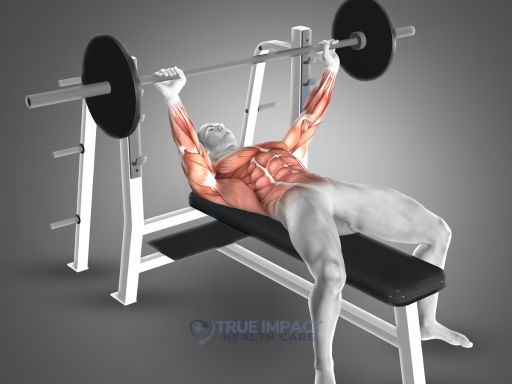
Table of Contents
Introduction
Stepping into the world of weight training can feel both exciting and a bit overwhelming. Whether you’re driven by a desire to build muscle, lose fat, or simply feel stronger, learning the fundamentals is key to long-term success. In this guide, we’ll walk you through everything a beginner needs to know from choosing the right equipment and exercises to designing your very first workout. By the end, you’ll have a clear roadmap for turning hesitation into confidence under the barbell.
Body
- Understanding the Benefits of Weight Training
Weight training isn’t just for bodybuilders. In fact, anyone can enjoy its wide-ranging benefits, including:
• Increased muscle strength and endurance
• Improved bone density and joint health
• Boosted metabolism for better weight management
• Enhanced posture and functional fitness
• Greater confidence and mental well-being - Setting SMART Goals
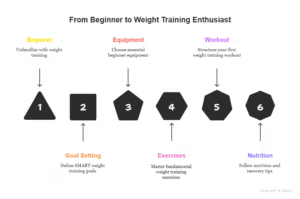
Before touching a dumbbell, define what success looks like. Use the SMART framework:
• Specific: “I want to bench-press my body weight.”
• Measurable: “I’ll track progress in my workout journal.”
• Achievable: “I’ll add 5 lbs every two weeks.”
• Relevant: “This goal ties into my basketball performance.”
• Time-Bound: “I’ll hit this milestone in three months.” - Choosing Your Training Environment
You have two primary options:
Gym
• Pro: Access to a wide range of machines and free weights
• Con: Monthly membership fees and commuting time
Home Gym
• Pro: Unlimited access, often more affordable long-term
• Con: Initial investment in equipment; limited space
Tip: If you’re just starting, a basic set of adjustable dumbbells or resistance bands can be enough to build solid foundations.
- Essential Equipment for Beginners
Whether at home or in the gym, these tools will cover most of your needs:
• Dumbbells (5–50 lbs, adjustable if possible)
• Barbell with weight plates
• Adjustable bench
• Resistance bands
• Pull-up bar (optional but highly effective) - Fundamental Exercises to Master
As a beginner, focus on compound movements that work multiple muscle groups at once:
• Squats (barbell or goblet) – legs, glutes, core
• Deadlifts – posterior chain (back, hamstrings, glutes)
• Bench Press – chest, shoulders, triceps
• Overhead Press – shoulders, upper back, triceps
• Bent-Over Rows – back, biceps, core
Form Tips:
• Keep your core braced and spine neutral.
• Control both the lifting (concentric) and lowering (eccentric) phases.
• Start light—perfect your form before adding more weight.
- Structuring Your First Workout
A simple, balanced routine for two to three days per week could look like this:
Warm-Up (5–10 mins)
• Light cardio (jump rope or brisk walk)
• Dynamic stretches (leg swings, arm circles)
Main Session
- Squat – 3 sets x 8–10 reps
- Bench Press – 3 sets x 8–10 reps
- Bent-Over Row – 3 sets x 8–10 reps
- Overhead Press – 3 sets x 8–10 reps
- Plank – 3 sets x 30–45 seconds
Cool-Down (5 mins)
• Static stretches for legs, chest, back, shoulders
- Nutrition and Recovery Tips
Fueling your body and allowing it to repair are as important as the workout itself:
• Protein Intake: Aim for 0.7–1 gram per pound of body weight.
• Hydration: Drink water consistently throughout the day.
• Rest: Get 7–9 hours of sleep nightly.
• Active Recovery: Light activities (walking, yoga) on rest days can reduce soreness. - Common Beginner Mistakes and How to Avoid Them
• Rushing Progression: Increase weight gradually to prevent injury.
• Neglecting Form: Record yourself or ask a trainer to check your technique.
• Skipping Warm-Ups/Cool-Downs: Always prepare your muscles and joints.
• Overtraining: Listen to your body, rest when you need it. - Tracking Progress and Staying Motivated
• Workout Journal: Note exercises, weights, reps, and how you feel.
• Photos/Measurements: Compare monthly updates to see tangible changes.
• Community: Join a class, find a lifting buddy, or participate in online forums.
• Variety: Every 6–8 weeks, tweak your routine to stay challenged.
Conclusion
Embarking on a weight training journey is one of the most empowering decisions you can make for your health and fitness. By setting clear goals, mastering fundamental exercises, and prioritizing safety and recovery, you’ll build a strong foundation that supports lifelong progress. Remember, consistency trumps perfection—start with small, achievable steps and watch your strength, confidence, and overall well-being soar. Ready to lift the bar? Grab your gear and let’s get started!
Was this page helpful?
Thanks for your feedback! What could we improve?
Thank you! Your feedback helps us improve our articles.
True Impact Health articles are written by our editorial team and based on reliable sources such as public health agencies, clinical guidelines and peer-reviewed research. This article has not yet been medically reviewed. Read our editorial process.
This content is for general information and is not a substitute for professional medical advice, diagnosis or treatment.