












Health A–Z guide
Hypothyroidism
Hypothyroidism: Understanding an Underactive Thyroid
Hypothyroidism is a common but often subtle medical condition that affects millions of people worldwide. It occurs when the thyroid gland does not produce enough thyroid hormones to meet the…
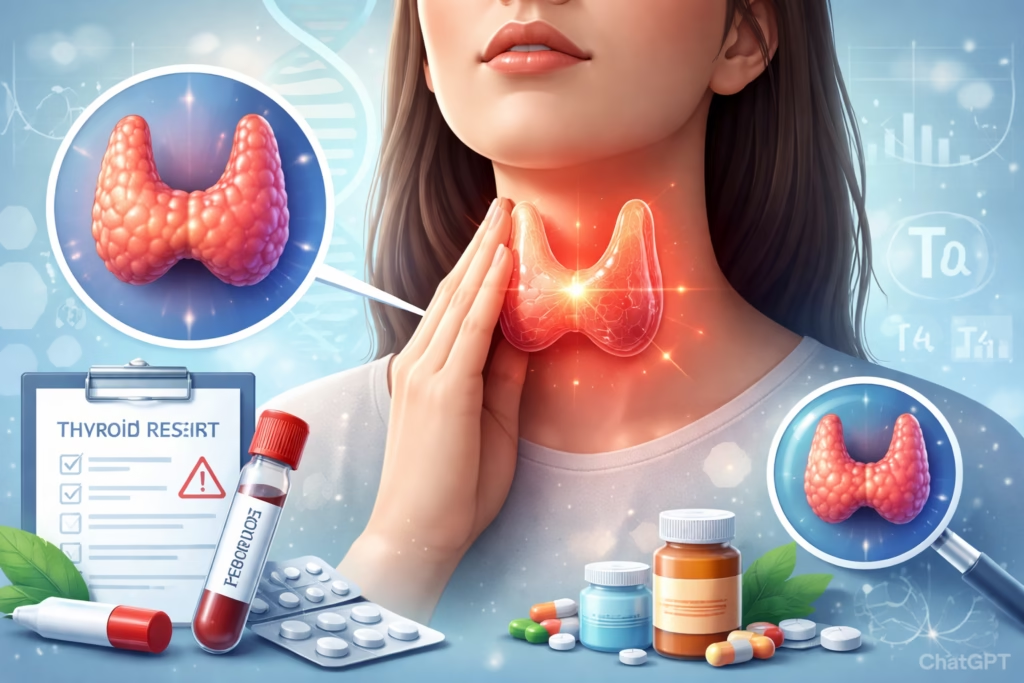
Table of Contents
Hypothyroidism is a common but often subtle medical condition that affects millions of people worldwide. It occurs when the thyroid gland does not produce enough thyroid hormones to meet the body’s needs. Because these hormones regulate metabolism, energy production, and many essential bodily functions, low levels can affect nearly every organ system.
This article provides a clear, evidence-based overview of hypothyroidism—including its causes, symptoms, diagnosis, and treatment—so you can better understand how it affects health and wellbeing.
Overview: What Is Hypothyroidism?
The thyroid is a small, butterfly-shaped gland located at the front of the neck, just below the Adam’s apple. It produces two key hormones:
- Thyroxine (T4)
- Triiodothyronine (T3)
These hormones regulate:
- Metabolism
- Body temperature
- Heart rate
- Energy levels
- Brain function
- Digestion
In hypothyroidism, the thyroid gland does not produce enough T4 and T3. As hormone levels decrease, body processes slow down. This explains why many symptoms are related to fatigue, weight gain, and feeling cold.
Hypothyroidism can range from mild (subclinical) to severe and, if untreated, may lead to serious complications.
Causes and Risk Factors
The most common cause of hypothyroidism in many countries is autoimmune disease, but there are several potential causes.
1. Autoimmune Thyroiditis (Hashimoto’s Thyroiditis)
- The immune system mistakenly attacks the thyroid gland.
- Gradually damages hormone production.
- Most common cause in iodine-sufficient regions.
2. Thyroid Surgery or Radioactive Iodine Therapy
- Removal of thyroid tissue or treatment for hyperthyroidism or cancer can lead to permanent hypothyroidism.
3. Iodine Imbalance
- Iodine is essential for thyroid hormone production.
- Both deficiency and excess can impair thyroid function.
4. Medications
Certain medications may affect thyroid function, including:
- Lithium
- Amiodarone
- Interferon
5. Postpartum Thyroiditis
- Temporary or permanent hypothyroidism after pregnancy.
6. Congenital Hypothyroidism
- Some infants are born with absent or underdeveloped thyroid glands.
- Routine newborn screening helps detect this early.
Risk Factors
You may be at higher risk if you:
- Are female
- Are over age 60
- Have a family history of thyroid disease
- Have another autoimmune condition (e.g., type 1 diabetes, celiac disease)
- Have recently been pregnant
- Have received neck radiation
Symptoms and Clinical Presentation
Hypothyroidism often develops gradually, making symptoms easy to overlook. Symptoms can vary depending on age, severity, and duration.
Common Symptoms
- Fatigue
- Weight gain (usually modest)
- Cold intolerance
- Constipation
- Dry, rough skin
- Hair thinning or hair loss
- Depression or low mood
- Slowed thinking or memory problems
- Menstrual irregularities
- Infertility
Physical Signs
- Puffy face
- Hoarseness
- Slowed heart rate (bradycardia)
- Enlarged thyroid (goiter)
In Children and Infants
- Poor growth
- Delayed puberty
- Developmental delay (if untreated in infancy)
Severe Hypothyroidism (Myxedema)
Rare but life-threatening, severe untreated hypothyroidism can lead to:
- Confusion
- Hypothermia
- Slow breathing
- Low blood pressure
- Coma (myxedema coma)
This is a medical emergency.
Diagnosis and Screening
Hypothyroidism is diagnosed with blood tests that measure hormone levels.
Key Laboratory Tests
- Thyroid-Stimulating Hormone (TSH): Most sensitive test
- Free T4: Measures available thyroxine
- Thyroid antibodies: May confirm autoimmune cause
Typical Findings
- Elevated TSH
- Low Free T4
In subclinical hypothyroidism, TSH is mildly elevated while Free T4 remains normal.
Who Should Be Screened?
Screening recommendations vary, but testing may be considered for:
- Women over 60
- Pregnant women or those planning pregnancy
- Individuals with symptoms
- People with autoimmune conditions
- Those with a family history of thyroid disease
A healthcare provider determines appropriate screening based on individual risk.
Treatment and Management Options
The primary treatment for hypothyroidism is thyroid hormone replacement therapy.
Levothyroxine (Synthetic T4)
- Most commonly prescribed treatment
- Taken orally once daily
- Replaces deficient hormone
- Converted in the body to active T3
Key Points About Treatment
- Typically lifelong
- Dose individualized based on:
- Age
- Weight
- Severity
- Heart health
- Blood levels monitored every 6–8 weeks after starting or adjusting dose
- Taken on an empty stomach for optimal absorption
Goals of Treatment
- Normalize TSH levels
- Relieve symptoms
- Prevent complications
When treated appropriately, most individuals lead completely normal, healthy lives.
Prevention and Lifestyle Considerations
In many cases—especially autoimmune hypothyroidism—complete prevention is not possible. However, certain measures support thyroid health.
Maintain Adequate Iodine Intake
- Iodized salt
- Dairy
- Seafood
In most developed countries, iodine deficiency is uncommon.
Balanced Nutrition
- Ensure adequate selenium and zinc intake
- Avoid excessive iodine supplementation unless prescribed
Medication Consistency
- Take thyroid medication consistently.
- Avoid taking it simultaneously with:
- Calcium supplements
- Iron supplements
- Soy-based products (if advised)
Monitor During Pregnancy
Thyroid hormone needs increase during pregnancy. Close monitoring is essential.
Potential Complications
Untreated hypothyroidism can lead to:
- High cholesterol
- Heart disease
- Peripheral neuropathy
- Infertility
- Pregnancy complications
- Myxedema coma (rare but life-threatening)
Early diagnosis and treatment significantly reduce these risks.
Conclusion
Hypothyroidism is a common endocrine disorder in which the thyroid gland produces insufficient hormones. Because thyroid hormones influence nearly every system in the body, symptoms can be wide-ranging and subtle. Fortunately, it is reliably diagnosed with simple blood tests and effectively treated with daily hormone replacement therapy.
With proper management and regular monitoring, most individuals with hypothyroidism can expect an excellent prognosis and normal quality of life.
Disclaimer:
This article is for educational purposes only and does not replace professional medical advice. If you have symptoms of hypothyroidism or concerns about your thyroid health, consult a qualified healthcare professional for evaluation and appropriate care.
Was this page helpful?
Thanks for your feedback! What could we improve?
Thank you! Your feedback helps us improve our guides.
Our Health A–Z guides are written by the True Impact Health Editorial Team and based on reliable sources such as public health agencies, clinical guidelines and peer-reviewed research. This guide has not yet been medically reviewed. Read our editorial process.
This content is for general information and is not a substitute for professional medical advice, diagnosis or treatment.