











Health A–Z guide
High Blood Pressure
High Blood Pressure: What You Need to Know About This Silent Threat
High blood pressure, also known as hypertension, is one of the most common chronic health conditions worldwide, and one of the most serious. Often called the “silent killer,” it typically…
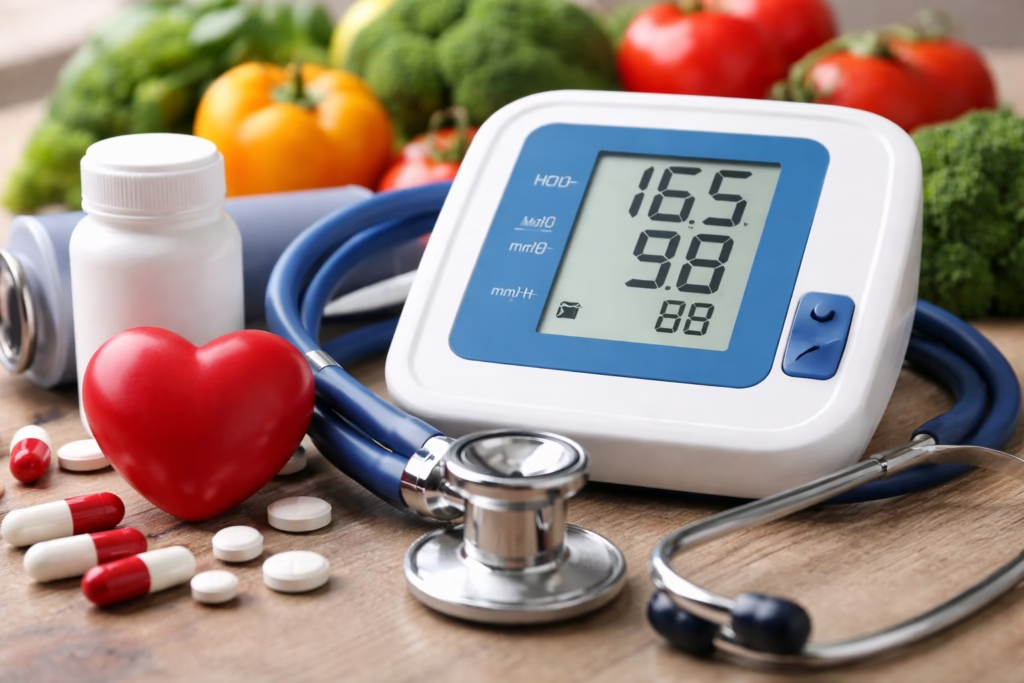
Table of Contents
High blood pressure, also known as hypertension, is one of the most common chronic health conditions worldwide, and one of the most serious. Often called the “silent killer,” it typically develops without noticeable symptoms, yet it significantly increases the risk of heart disease, stroke, kidney damage, and other complications.
Understanding what high blood pressure is, what causes it, and how it can be managed or prevented is essential for protecting long-term health. This article provides an evidence-based overview in clear, accessible terms.
Overview: What Is High Blood Pressure?
Blood pressure is the force of blood pushing against the walls of your arteries as your heart pumps. It is measured using two numbers:
- Systolic pressure (top number): Pressure when the heart beats
- Diastolic pressure (bottom number): Pressure when the heart rests between beats
Blood pressure is expressed in millimeters of mercury (mmHg), for example: 120/80 mmHg.
According to widely accepted guidelines:
- Normal: Less than 120/80 mmHg
- Elevated: 120–129 systolic and less than 80 diastolic
- Hypertension Stage 1: 130–139 systolic or 80–89 diastolic
- Hypertension Stage 2: ≥140 systolic or ≥90 diastolic
When blood pressure remains consistently high over time, the increased force damages blood vessels and organs.
Causes and Risk Factors
In many cases, high blood pressure develops gradually over years. There are two main types:
1. Primary (Essential) Hypertension
- Most common form
- No single identifiable cause
- Develops gradually over time
2. Secondary Hypertension
- Caused by an underlying condition
- May appear suddenly
- Often more severe
Possible underlying causes include:
- Kidney disease
- Hormonal disorders (e.g., thyroid abnormalities, adrenal disorders)
- Certain medications (e.g., NSAIDs, some birth control pills)
- Obstructive sleep apnea
Common Risk Factors
Several factors increase the likelihood of developing high blood pressure:
- Age (risk increases over time)
- Family history
- Overweight or obesity
- Physical inactivity
- High sodium (salt) intake
- Low potassium intake
- Excessive alcohol consumption
- Tobacco use
- Chronic stress
- Diabetes
- Chronic kidney disease
Importantly, many of these risk factors are modifiable, meaning lifestyle changes can significantly reduce risk.
Symptoms and Clinical Presentation
One of the most concerning aspects of hypertension is that it usually causes no noticeable symptoms.
Many people feel completely well, even when blood pressure is dangerously high.
In rare cases of severely elevated blood pressure (hypertensive crisis), symptoms may include:
- Severe headache
- Shortness of breath
- Chest pain
- Visual changes
- Dizziness
- Nosebleeds
These symptoms require urgent medical attention.
Because high blood pressure is often silent, routine screening is essential.
Diagnosis and Screening
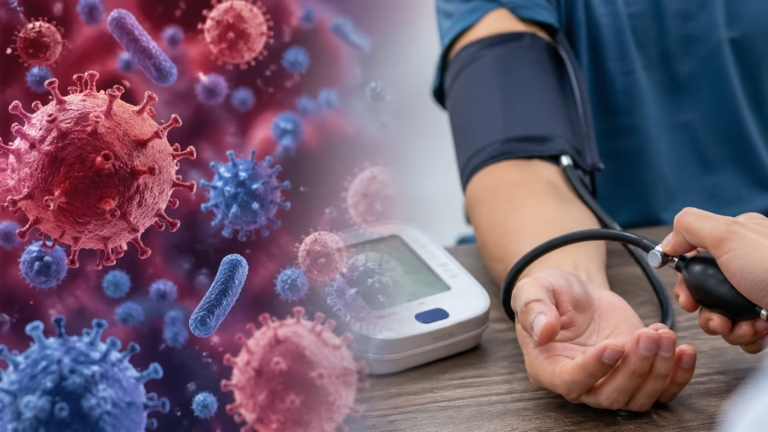
High blood pressure is diagnosed through repeated measurements using a blood pressure cuff.
How It’s Measured:
- In a clinical office
- With a home blood pressure monitor
- Through ambulatory monitoring (24-hour monitoring device)
A diagnosis is typically made after multiple readings on different occasions show elevated values.
Why Multiple Readings Matter
Factors like stress, caffeine, or “white coat hypertension” (anxiety in medical settings) can temporarily raise blood pressure. Therefore, consistent elevated measurements are needed for accurate diagnosis.
Routine screening is recommended for:
- All adults aged 18 and older
- Individuals with risk factors (potentially more frequent monitoring)
Treatment and Management Options
The goal of treatment is to reduce blood pressure to safer levels and minimize the risk of complications.
1. Lifestyle Modifications
For many individuals, lifestyle changes are the foundation of treatment:
- Reducing sodium intake
- Adopting the DASH diet (Dietary Approaches to Stop Hypertension)
- Regular physical activity (at least 150 minutes of moderate exercise weekly)
- Weight loss (if overweight)
- Limiting alcohol consumption
- Quitting smoking
- Stress management
These changes may be sufficient for people with mildly elevated blood pressure.
2. Medications
If lifestyle changes are not enough, healthcare providers may prescribe medications.
Common classes of antihypertensive medications include:
- ACE inhibitors
- Angiotensin II receptor blockers (ARBs)
- Calcium channel blockers
- Diuretics (“water pills”)
- Beta-blockers (in specific situations)
Treatment plans are individualized based on:
- Age
- Other medical conditions
- Risk of cardiovascular disease
- Tolerance to medications
Often, more than one medication may be needed to achieve target levels.
Prevention and Lifestyle Considerations
Preventing high blood pressure—or preventing worsening if already diagnosed—is possible through sustained lifestyle strategies.
Key Preventive Measures:
✅ Maintain a healthy body weight
✅ Eat a diet rich in fruits, vegetables, whole grains, and lean proteins
✅ Limit processed and high-sodium foods
✅ Engage in regular physical activity
✅ Avoid tobacco use
✅ Limit alcohol intake
✅ Manage stress effectively
✅ Monitor blood pressure regularly
Even modest improvements can significantly reduce cardiovascular risk.
Potential Complications of Untreated Hypertension
Without proper control, high blood pressure can lead to serious complications, including:
- Heart attack
- Stroke
- Heart failure
- Chronic kidney disease
- Vision loss
- Peripheral artery disease
- Cognitive decline
Early detection and consistent management dramatically reduce these risks.
Conclusion: Controlling the Silent Risk
High blood pressure is common, often silent, and potentially dangerous—but it is also highly manageable. Through regular screening, healthy lifestyle choices, and appropriate medical treatment when necessary, individuals can significantly reduce their risk of heart disease, stroke, and organ damage.
If you have concerns about your blood pressure or risk factors, consult a qualified healthcare professional for proper evaluation and guidance.
Disclaimer:
This article is intended for educational purposes only and should not be considered medical advice. Always consult a licensed healthcare provider for personalized diagnosis, treatment, and medical guidance.
Was this page helpful?
Thanks for your feedback! What could we improve?
Thank you! Your feedback helps us improve our guides.
Our Health A–Z guides are written by the True Impact Health Editorial Team and based on reliable sources such as public health agencies, clinical guidelines and peer-reviewed research. This guide has not yet been medically reviewed. Read our editorial process.
This content is for general information and is not a substitute for professional medical advice, diagnosis or treatment.