













Health A–Z guide
Heart Attack
Heart Attack: Understanding Causes, Symptoms, Treatment, and Prevention
A heart attack, medically known as a myocardial infarction, is a serious and potentially life-threatening condition that occurs when blood flow to part of the heart muscle is suddenly blocked.…
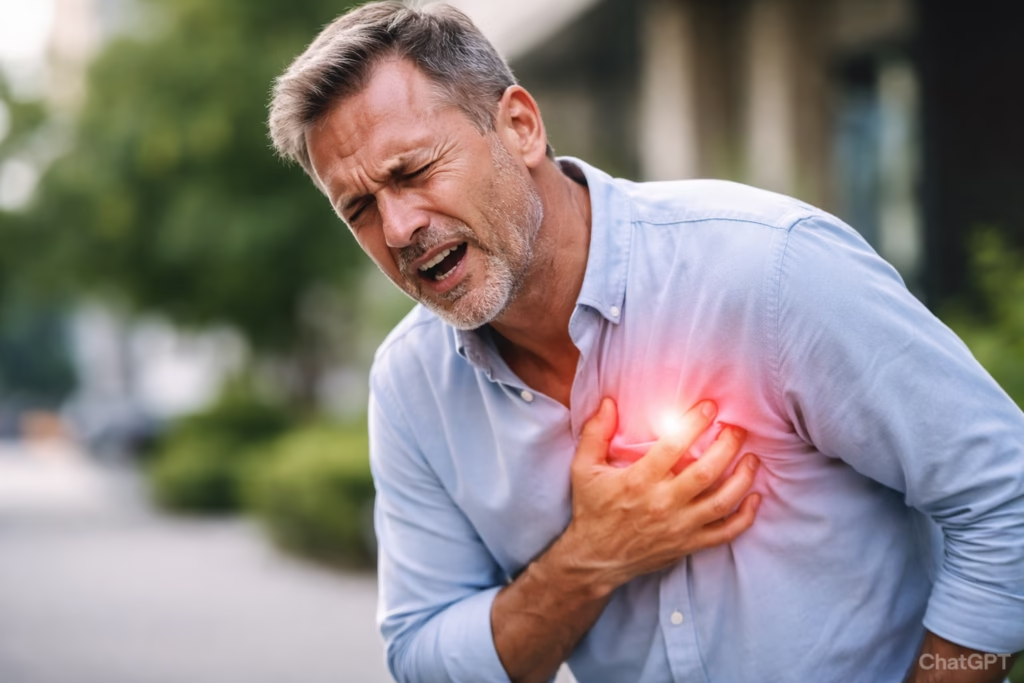
Table of Contents

A heart attack, medically known as a myocardial infarction, is a serious and potentially life-threatening condition that occurs when blood flow to part of the heart muscle is suddenly blocked. Without adequate blood and oxygen, the affected heart muscle begins to suffer damage within minutes.
Heart attacks remain one of the leading causes of death worldwide. However, advances in medical care and greater public awareness have significantly improved survival rates. Understanding how heart attacks happen, recognizing early symptoms, and knowing how they are treated can make a critical difference.
Overview / Definition
A heart attack occurs when blood flow through one or more of the coronary arteries becomes blocked. These arteries supply oxygen-rich blood to the heart muscle.
Most heart attacks are caused by:
- Coronary artery disease (CAD), a condition where fatty deposits (plaque) build up in the artery walls.
- A sudden rupture of a plaque, leading to the formation of a blood clot that blocks the artery.
When the blockage prevents oxygen from reaching heart tissue, the affected muscle begins to die. Rapid medical intervention is essential to restore blood flow and limit damage.
It is important not to confuse a heart attack with cardiac arrest. A heart attack involves blocked blood flow, while cardiac arrest refers to a sudden stoppage of the heart’s electrical activity. However, a heart attack can sometimes lead to cardiac arrest.
Causes and Risk Factors
Heart attacks are most commonly caused by atherosclerosis, a gradual process in which plaque accumulates inside coronary arteries.
Major Risk Factors
Some risk factors cannot be changed:
- Increasing age
- Male sex (though risk in women rises after menopause)
- Family history of heart disease
- Genetic predisposition
Others are modifiable and can be managed to reduce risk:
- High blood pressure (hypertension)
- High cholesterol levels
- Smoking
- Diabetes
- Obesity
- Sedentary lifestyle
- Poor diet (high in saturated fats, trans fats, and processed foods)
- Excessive alcohol use
- Chronic stress
Having multiple risk factors significantly increases the likelihood of developing heart disease.
Symptoms or Clinical Presentation
Heart attack symptoms can vary widely. Some are sudden and intense, while others may develop gradually. Not everyone experiences the classic symptoms.
Common Symptoms
- Chest pain or discomfort (pressure, tightness, heaviness, or squeezing)
- Pain radiating to the arm (often left arm), neck, jaw, shoulder, or back
- Shortness of breath
- Nausea or vomiting
- Cold sweats
- Lightheadedness or dizziness
- Unusual fatigue
Differences in Symptoms
- Women may experience less typical symptoms, such as fatigue, shortness of breath, nausea, or back and jaw pain.
- Older adults and people with diabetes may experience milder or “silent” heart attacks with minimal or atypical symptoms.
Emergency action is critical. If a heart attack is suspected, immediate medical care can significantly improve survival and outcomes.
Diagnosis or Screening
Doctors use several tools to diagnose a heart attack:
1. Medical History and Physical Examination
Symptoms, risk factors, and clinical signs help guide evaluation.
2. Electrocardiogram (ECG or EKG)
Records the heart’s electrical activity and detects abnormalities suggestive of a heart attack.
3. Blood Tests
Cardiac biomarkers (such as troponin) are released when heart muscle is damaged. Elevated levels confirm injury.
4. Imaging Studies
- Coronary angiography identifies blocked arteries.
- Echocardiogram assesses heart function.
- CT or MRI scans may be used in certain cases.
Screening
Individuals with risk factors may undergo routine screening for:
- Blood pressure
- Cholesterol levels
- Blood glucose
- Coronary artery calcium scoring (in specific cases)
Early detection of risk factors plays a major role in prevention.
Treatment or Management Options
Heart attack treatment focuses on restoring blood flow quickly and preventing future events.
Emergency Treatment
- Aspirin (to reduce clot formation)
- Oxygen (if needed)
- Nitroglycerin (to improve blood flow)
- Pain control
Reperfusion Therapy
Restoring blood flow is the primary goal:
- Percutaneous coronary intervention (PCI): A procedure in which a balloon and stent are inserted to open the blocked artery.
- Thrombolytic (clot-busting) medications if PCI is not immediately available.
Long-Term Medications
After a heart attack, patients are often prescribed:
- Antiplatelet agents (e.g., aspirin)
- Beta-blockers
- ACE inhibitors or ARBs
- Statins
- Other medications depending on individual needs
Cardiac Rehabilitation
A structured program that includes:
- Supervised exercise training
- Education about heart-healthy living
- Counseling to reduce stress
- Support for lifestyle changes
Cardiac rehabilitation significantly improves recovery and reduces the risk of future heart events.
Prevention and Lifestyle Considerations
Many heart attacks are preventable through lifestyle changes and proper medical management.
Heart-Healthy Habits
- Quit smoking
- Maintain a balanced diet rich in:
- Fruits and vegetables
- Whole grains
- Lean protein
- Healthy fats (such as those from nuts and olive oil)
- Engage in regular physical activity (at least 150 minutes of moderate exercise per week)
- Maintain a healthy weight
- Manage stress effectively
- Limit alcohol intake
Medical Prevention
- Control blood pressure, cholesterol, and blood sugar
- Take prescribed medications as directed
- Attend regular health checkups
Preventive care can significantly reduce the likelihood of a first or recurrent heart attack.
Conclusion
A heart attack is a medical emergency caused by blocked blood flow to the heart muscle. It typically results from coronary artery disease and is influenced by both non-modifiable and lifestyle-related risk factors. Recognizing symptoms early, seeking prompt medical care, and following evidence-based treatment strategies are crucial for survival and recovery.
Importantly, many heart attacks can be prevented through healthy lifestyle habits, regular screenings, and appropriate management of underlying health conditions. Awareness and proactive care remain the most powerful tools in reducing the global burden of heart disease.
Disclaimer: This article is intended for educational purposes only and does not constitute medical advice. If you experience symptoms that may indicate a heart attack or have concerns about your heart health, seek immediate medical attention and consult a qualified healthcare professional.
Was this page helpful?
Thanks for your feedback! What could we improve?
Thank you! Your feedback helps us improve our guides.
Our Health A–Z guides are written by the True Impact Health Editorial Team and based on reliable sources such as public health agencies, clinical guidelines and peer-reviewed research. This guide has not yet been medically reviewed. Read our editorial process.
This content is for general information and is not a substitute for professional medical advice, diagnosis or treatment.