













Health A–Z guide
Grief & Bereavement
Grief & Bereavement: Understanding the Emotional and Physical Impact of Loss
Grief is a natural response to loss, especially the death of a loved one. While it is a universal human experience, the way individuals process grief varies...

Table of Contents

Grief is a natural response to loss, especially the death of a loved one. While it is a universal human experience, the way individuals process grief varies significantly. Bereavement refers specifically to the period of mourning and adjustment following a loss. Though deeply personal, grief also has psychological, emotional, and even physical dimensions that are well recognized in medical and mental health fields.
Understanding grief—what it looks like, when it becomes complicated, and how it can be managed—is essential for individuals, families, and communities. This article explores grief and bereavement from a medically informed perspective while remaining accessible and practical.
Overview / Definition
Grief is the emotional, cognitive, physical, and behavioral reaction to loss. While most commonly associated with death, grief can also occur after:
- Divorce or relationship breakdown
- Loss of a job
- Miscarriage or infertility
- Serious illness or disability
- Major life transitions
Bereavement refers specifically to the period following the death of someone significant.
Grief typically evolves over time. Although the “stages of grief” (denial, anger, bargaining, depression, acceptance) are commonly discussed, research shows that grief is not linear. People may experience overlapping emotions, recurring waves of sadness, and fluctuation between intense distress and relative calm.
Most individuals gradually adapt to their loss. However, some may develop **Prolonged Grief Disorder (PGD)**—a condition characterized by persistent and impairing grief lasting beyond culturally expected periods (typically over 12 months in adults).
Causes and Risk Factors
Grief is triggered by loss, but its intensity and duration are influenced by multiple factors.
Common Triggers
- Death of a spouse, child, parent, or close friend
- Sudden or traumatic death (e.g., accidents, homicide, suicide)
- Loss during disasters or pandemics
- Anticipatory grief in chronic illness
Risk Factors for Complicated or Prolonged Grief
Certain individuals may be more vulnerable to prolonged or severe grief reactions:
- Pre-existing mental health conditions (e.g., depression, anxiety, PTSD)
- Substance use disorders
- Limited social support
- History of trauma
- Dependent or highly enmeshed relationships
- Multiple losses in a short period
- Death of a child
Sudden or violent deaths tend to increase the risk of complicated grieving due to shock, trauma, and unresolved questions.
Symptoms / Clinical Presentation
Grief affects the mind and body. Symptoms can be emotional, physical, cognitive, and behavioral.
Emotional Symptoms
- Deep sadness or sorrow
- Anger or irritability
- Guilt or regret
- Anxiety
- Emotional numbness
- Yearning or longing for the deceased
Cognitive Symptoms
- Difficulty concentrating
- Preoccupation with memories
- Intrusive thoughts about the death
- Questioning meaning or purpose
Physical Symptoms
- Fatigue
- Sleep disturbances
- Appetite changes
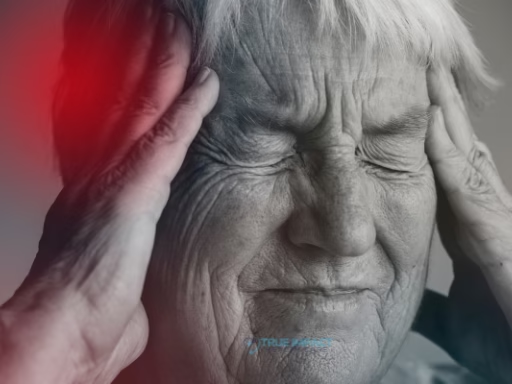
- Headaches or body aches
- Weakened immune response
Behavioral Changes
- Social withdrawal
- Crying spells
- Avoidance of reminders
- Alternatively, excessive focus on reminders
In Prolonged Grief Disorder, symptoms may include:
- Persistent intense yearning for the deceased
- Difficulty accepting the death
- Significant disruption in daily functioning
- Persistent emotional pain lasting beyond expected cultural norms
Unlike major depressive disorder, grief-related sadness is typically connected to thoughts of the deceased and may ease temporarily during positive reminiscence.
Diagnosis or Screening
Grief itself is not a disease and does not require a diagnosis. However, healthcare professionals may evaluate individuals if:
- Symptoms are severe, prolonged, or worsening
- There are signs of major depression
- Suicidal thoughts are present
- Daily functioning is significantly impaired
Assessment may involve:
- Clinical interviews
- Standardized screening tools for depression, anxiety, or prolonged grief
- Evaluation for post-traumatic stress disorder (PTSD)
Distinguishing normal grief from major depressive disorder is important. In depression, feelings of hopelessness, worthlessness, and persistent loss of pleasure are more generalized rather than tied specifically to the loss.
Treatment and Management Options
For many people, grief gradually improves with time and social support. However, additional help may be beneficial in some cases.
1. Psychotherapy (Talk Therapy)
Evidence-based approaches include:
- Grief counseling – Helps process emotions and adjust to life changes
- Cognitive Behavioral Therapy (CBT) – Addresses negative thought patterns
- Complicated Grief Therapy (CGT) – Specifically designed for prolonged grief
- Trauma-focused therapy – For traumatic losses
Therapy provides structured support and coping tools tailored to individual needs.
2. Support Groups
Peer support groups allow individuals to:
- Share experiences
- Normalize grief responses
- Reduce isolation
Community- or faith-based groups may also provide meaningful support.
3. Medication
Medication is not typically used for grief alone. However, it may be appropriate if:
- Major depressive disorder develops
- Severe anxiety occurs
- Sleep disturbances are persistent
Any medication use should be supervised by a qualified healthcare professional.
4. Self-Care Strategies
While not a replacement for professional care, healthy practices can support recovery:
- Maintaining a regular sleep schedule
- Engaging in gentle physical activity
- Staying socially connected
- Journaling or creative expression
- Practicing mindfulness or relaxation techniques
Prevention and Lifestyle Considerations
Grief cannot be prevented, but healthier adjustment may be supported by:
- Building strong social networks
- Discussing end-of-life wishes in advance (advance care planning)
- Seeking early mental health support when needed
- Encouraging open conversations about loss within families
For individuals facing anticipated loss, anticipatory grief counseling may help prepare emotionally and practically.
Community awareness also plays a role. Reducing stigma around mental health and grief makes it easier for individuals to seek help early.
When to Seek Professional Help
Professional evaluation is especially important if someone experiences:
- Suicidal thoughts or self-harm behaviors
- Inability to perform daily responsibilities
- Persistent intense sadness lasting more than a year (adults)
- Substance misuse
- Severe isolation or withdrawal
Early intervention can prevent complications and promote healing.
Conclusion
Grief and bereavement are natural yet complex responses to loss. While most individuals gradually adapt over time, grief may sometimes become prolonged or interfere significantly with daily functioning. Recognizing the emotional, physical, and cognitive aspects of grief helps normalize the experience while also identifying when additional support is needed.
Healing does not mean forgetting—it means learning to live with loss in a way that allows meaningful life to continue. Emotional support, professional counseling, and compassionate community care all play important roles in this process.
Disclaimer:
This article is for educational purposes only and is not a substitute for professional medical advice. If you or someone you know is struggling with persistent grief, depression, or thoughts of self-harm, please consult a qualified healthcare provider or mental health professional for proper evaluation and support.
Was this page helpful?
Thanks for your feedback! What could we improve?
Thank you! Your feedback helps us improve our guides.
Our Health A–Z guides are written by the True Impact Health Editorial Team and based on reliable sources such as public health agencies, clinical guidelines and peer-reviewed research. This guide has not yet been medically reviewed. Read our editorial process.
This content is for general information and is not a substitute for professional medical advice, diagnosis or treatment.