










Health A–Z guide
Gallstones
Gallstones: Understanding Causes, Symptoms, and Treatment Options
Gallstones are a common digestive health issue that affect millions of people worldwide. While many individuals with gallstones never experience symptoms, others may develop significant discomfort or complications that require…
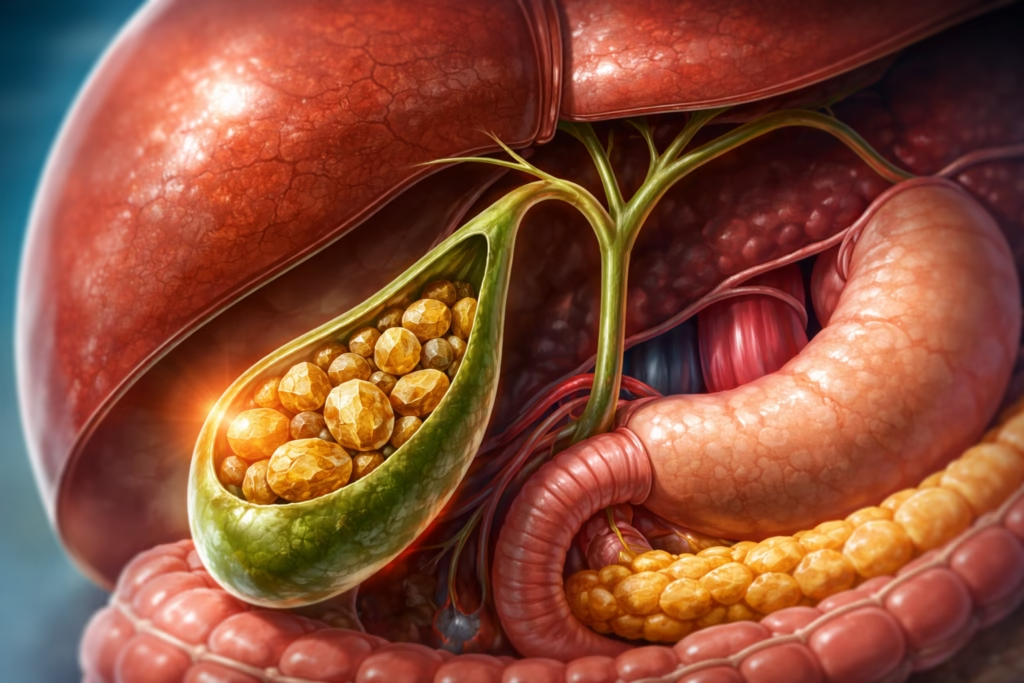
Table of Contents
Gallstones are a common digestive health issue that affect millions of people worldwide. While many individuals with gallstones never experience symptoms, others may develop significant discomfort or complications that require medical care. This article provides a clear, evidence-based overview of gallstones—what they are, why they form, how they are diagnosed, and the treatment options available—using accessible language for a general audience.
Overview: What Are Gallstones?
Gallstones are solid, pebble-like deposits that form in the gallbladder, a small organ located beneath the liver. The gallbladder stores bile—a digestive fluid produced by the liver that helps break down fats in the small intestine.
Gallstones vary in size and number and are typically classified into two main types:
- Cholesterol gallstones (most common): Usually yellow-green in color and primarily composed of hardened cholesterol.
- Pigment gallstones: Dark brown or black stones made of bilirubin, a substance produced from the breakdown of red blood cells.
Some people may have gallstones without knowing it, while others develop symptoms when stones obstruct bile flow.
Causes and Risk Factors
Gallstones form when bile contains too much cholesterol or bilirubin, or when the gallbladder does not empty completely. Several factors can increase the likelihood of gallstone formation.
Common Risk Factors Include:
- Age and sex: More common in adults over 40 and in women
- Pregnancy: Hormonal changes can affect bile composition
- Obesity or rapid weight loss
- Diet: High-fat, high-cholesterol, or low-fiber diets
- Family history of gallstones
- Certain medical conditions, such as:
- Liver disease
- Diabetes
- Hemolytic anemia
- Medications, including some cholesterol-lowering drugs
Having one or more risk factors does not guarantee gallstones but increases the probability.
Symptoms and Clinical Presentation
Many individuals with gallstones remain asymptomatic—a state known as silent gallstones. Symptoms typically appear when a gallstone blocks a bile duct.
Possible Symptoms Include:
- Sudden pain in the upper right or center of the abdomen (often after meals)
- Pain that may radiate to the right shoulder or back
- Nausea or vomiting
- Bloating or indigestion
Signs of Complications (Require Prompt Evaluation):
- Fever or chills
- Jaundice (yellowing of the skin or eyes)
- Dark urine or pale stools
These symptoms may indicate inflammation or infection of the gallbladder, bile ducts, or pancreas.
Diagnosis and Screening
Gallstones are often discovered incidentally during imaging tests performed for other reasons. When symptoms are present, healthcare professionals may use the following diagnostic tools:
- Ultrasound: The most common and non-invasive test
- CT scan or MRI: Used in selected cases
- Blood tests: Can show signs of infection, inflammation, or bile duct obstruction
- Endoscopic procedures: In specific situations to evaluate bile duct stones
Routine screening for gallstones is not typically recommended in people without symptoms.
Treatment and Management Options
Treatment depends on whether gallstones are causing symptoms or complications.
Management Approaches Include:
- Watchful waiting: No treatment if gallstones are asymptomatic
- Medications:
- Oral bile acid pills may help dissolve cholesterol stones, though this approach is limited and slow
- Surgery (Cholecystectomy):
- Removal of the gallbladder is the most common and definitive treatment
- Often performed laparoscopically (minimally invasive)
The body can function normally without a gallbladder, as bile flows directly from the liver into the intestine after removal.
Prevention and Lifestyle Considerations
While not all gallstones can be prevented, certain lifestyle measures may reduce risk:
- Maintain a healthy, stable body weight
- Avoid rapid or extreme dieting
- Consume a balanced diet rich in:
- Fruits and vegetables
- Whole grains
- Healthy fats (in moderation)
- Engage in regular physical activity
These strategies support overall digestive and metabolic health.
Conclusion: Key Takeaways on Gallstones
Gallstones are a common medical condition that range from harmless to potentially serious. Many people live symptom-free, but others may experience pain or complications that require medical evaluation. Understanding the risk factors, recognizing symptoms, and knowing the available diagnostic and treatment options can support timely and informed care decisions. With proper medical oversight, gallstones are highly manageable.
Medical Disclaimer
This article is intended for educational purposes only and does not substitute professional medical advice, diagnosis, or treatment. Always seek the guidance of qualified healthcare professionals with any questions or concerns regarding medical conditions or symptoms.
Was this page helpful?
Thanks for your feedback! What could we improve?
Thank you! Your feedback helps us improve our guides.
Our Health A–Z guides are written by the True Impact Health Editorial Team and based on reliable sources such as public health agencies, clinical guidelines and peer-reviewed research. This guide has not yet been medically reviewed. Read our editorial process.
This content is for general information and is not a substitute for professional medical advice, diagnosis or treatment.