















Health A–Z guide
First Aid for Breathing Emergencies
Breathing emergencies are among the most frightening medical situations, both for the person affected and for bystanders. Because oxygen is essential for...
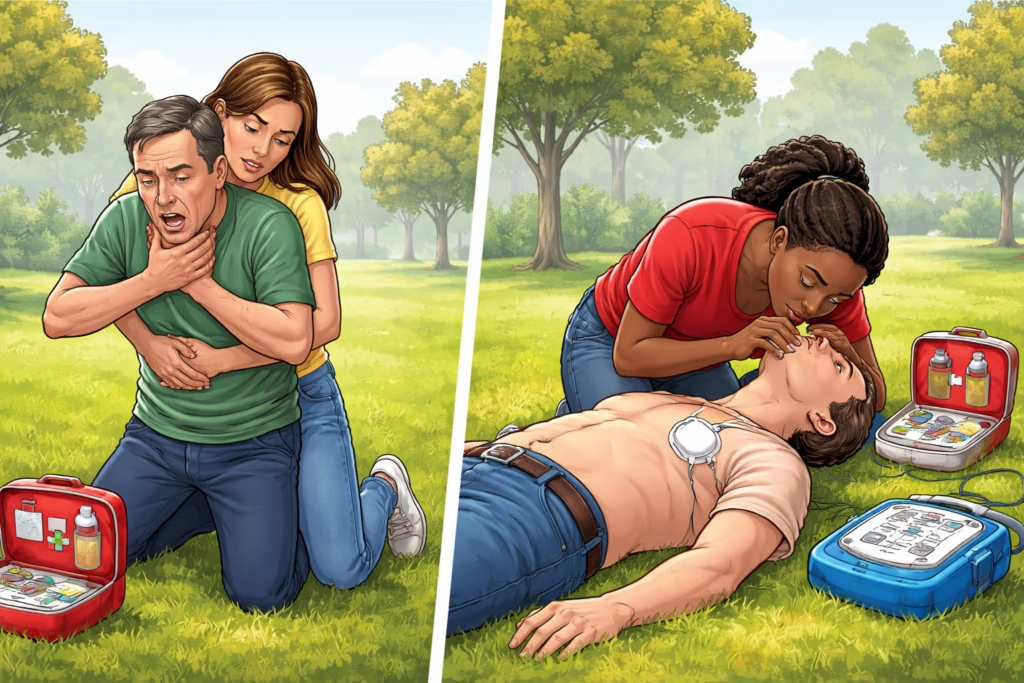
Table of Contents
Breathing emergencies are among the most frightening medical situations, both for the person affected and for bystanders. Because oxygen is essential for life, any problem that interferes with breathing can quickly become life-threatening if not addressed promptly. Understanding how to recognize breathing emergencies and provide appropriate first aid can help stabilize a person until professional medical care arrives.
This article provides a clear, medically accurate overview of common breathing emergencies, their causes, warning signs, and general first aid principles, using accessible language for non-medical readers.
Overview: What Are Breathing Emergencies?
A breathing emergency occurs when a person is unable to breathe adequately or effectively. This may mean that breathing is too slow, too fast, obstructed, shallow, or completely stopped. These emergencies can affect people of all ages and may arise suddenly or develop over time.
Examples of breathing emergencies include:
- Airway obstruction (such as choking)
- Severe asthma attacks
- Allergic reactions (anaphylaxis)
- Respiratory infections causing distress
- Smoke inhalation or near-drowning
- Opioid or other drug overdoses
Breathing emergencies require immediate attention because prolonged oxygen deprivation can damage vital organs, including the brain.
Causes and Risk Factors
Breathing problems can result from a wide range of medical and environmental factors.
Common Causes
- Blocked airway (food, foreign objects, swelling)
- Lung conditions, such as asthma, chronic obstructive pulmonary disease (COPD), or pneumonia
- Severe allergic reactions, leading to airway swelling
- Trauma to the chest, neck, or head
- Infections, including severe respiratory infections
- Exposure to toxins, smoke, or chemicals
- Drug or alcohol overdose, especially opioids or sedatives
Risk Factors
- History of respiratory disease
- Smoking or long-term exposure to air pollution
- Known allergies
- Older age or very young children
- Neurological or muscular conditions affecting breathing
- Poorly controlled chronic illness
Symptoms and Clinical Presentation
Breathing emergencies may look different depending on the cause, but certain warning signs are common.
Key Symptoms to Watch For
- Difficulty breathing or shortness of breath
- Rapid, slow, or irregular breathing
- Gasping, wheezing, or gurgling sounds
- Bluish coloring of lips, face, or fingernails (cyanosis)
- Chest tightness or visible effort to breathe
- Inability to speak in full sentences
- Anxiety, panic, or confusion
- Loss of consciousness
The presence of any of these signs suggests a potentially serious situation.
Diagnosis or Screening
In emergency situations, diagnosis is primarily based on observation and immediate assessment, not formal testing.
First responders or healthcare professionals may assess:
- Breathing rate and quality
- Airway openness
- Oxygen levels (using a pulse oximeter)
- Heart rate and blood pressure
- Medical history when available
For bystanders providing first aid, the focus is on recognizing abnormal breathing and seeking emergency help promptly.
First Aid Treatment and Management Options
First aid for breathing emergencies focuses on maintaining an open airway and supporting breathing until professional care arrives.
General First Aid Principles
- Ensure the scene is safe before helping.
- Call emergency services immediately if breathing is impaired.
- Keep the person calm and encourage slow, steady breathing if possible.
- Loosen tight clothing around the neck or chest.
Examples of Situation-Specific Responses
- Choking: Encourage coughing if the person can breathe or speak; follow recognized first aid techniques for a complete airway blockage if trained.
- Asthma or COPD flare: Help the person sit upright and use prescribed inhalers if available.
- Anaphylaxis: Emergency medical care is required; assist with emergency medications if prescribed and accessible.
- Unconscious but breathing: Place the person in a recovery position to maintain an open airway.
- Not breathing or no pulse: Begin cardiopulmonary resuscitation (CPR) if trained, and use an automated external defibrillator (AED) if available.
These interventions are temporary measures and do not replace medical evaluation or treatment.
Prevention and Lifestyle Considerations
While not all breathing emergencies can be prevented, certain steps can reduce overall risk.
Prevention Strategies
- Manage chronic respiratory conditions with regular medical care
- Avoid smoking and exposure to secondhand smoke
- Identify and avoid known allergens
- Use protective equipment when exposed to fumes or chemicals
- Learn basic first aid, CPR, and choking response techniques
- Keep emergency contact numbers accessible
Education and preparedness play a critical role in improving outcomes during emergencies.
Conclusion: Key Takeaways
Breathing emergencies require swift recognition and action. Understanding common causes, warning signs, and general first aid principles can help stabilize a person and potentially save a life while waiting for professional care. Although first aid is not a substitute for medical treatment, timely and informed responses can make a meaningful difference in critical moments.
Medical Disclaimer
This article is intended for educational purposes only and does not provide personalized medical advice. First aid procedures should be performed only if you are trained and feel safe doing so. Always consult qualified healthcare professionals for medical concerns, and seek emergency medical assistance immediately in any breathing emergency.
Was this page helpful?
Thanks for your feedback! What could we improve?
Thank you! Your feedback helps us improve our guides.
Our Health A–Z guides are written by the True Impact Health Editorial Team and based on reliable sources such as public health agencies, clinical guidelines and peer-reviewed research. This guide has not yet been medically reviewed. Read our editorial process.
This content is for general information and is not a substitute for professional medical advice, diagnosis or treatment.