















Pulmonary Hypertension Sleep Apnea
Pulmonary hypertension and sleep apnea are two serious medical conditions that can significantly affect cardiovascular and respiratory health. Although...
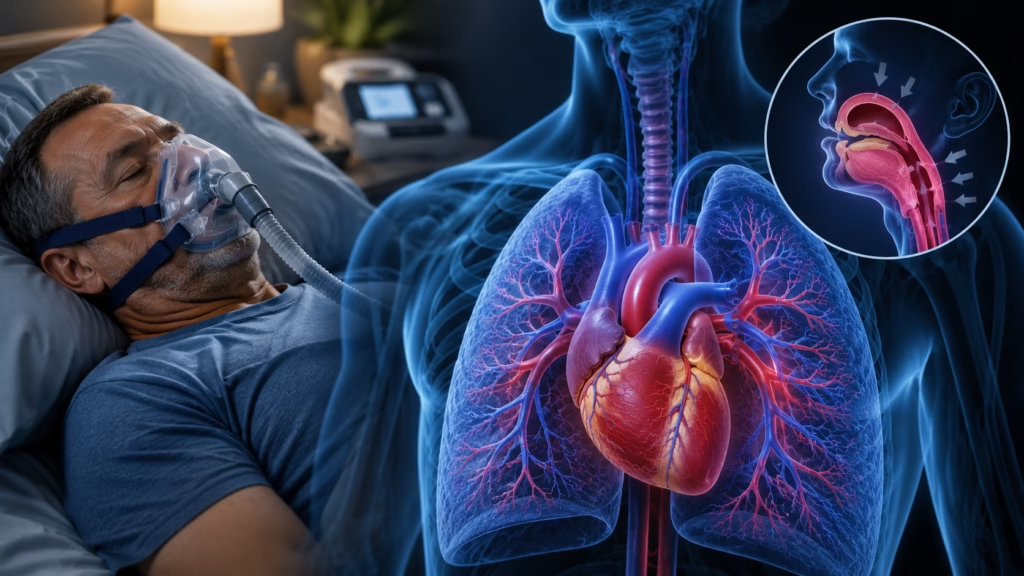
Table of Contents
Introduction
Pulmonary hypertension and sleep apnea are two serious medical conditions that can significantly affect cardiovascular and respiratory health. Although they may appear unrelated at first glance, research has demonstrated a strong connection between them. Many individuals diagnosed with pulmonary hypertension are later found to have sleep apnea, while people living with untreated sleep apnea often face an increased risk of developing elevated pressure within the pulmonary arteries.
The relationship between these conditions is largely driven by repeated episodes of low oxygen levels during sleep, which place stress on both the lungs and the heart. Over time, this ongoing strain can contribute to narrowing of the pulmonary blood vessels, increased pulmonary artery pressure, and worsening heart function. Understanding how these conditions interact is essential because early diagnosis and treatment can improve symptoms, slow disease progression, and enhance overall quality of life.
This comprehensive guide explains pulmonary hypertension and sleep apnea, explores why they frequently occur together, outlines common symptoms, reviews diagnostic approaches, and discusses the most effective treatment and management strategies.
Understanding Pulmonary Hypertension
Pulmonary hypertension is a condition characterized by abnormally high blood pressure within the arteries that carry blood from the heart to the lungs. Unlike traditional high blood pressure, which affects arteries throughout the body, pulmonary hypertension specifically affects the pulmonary circulation.
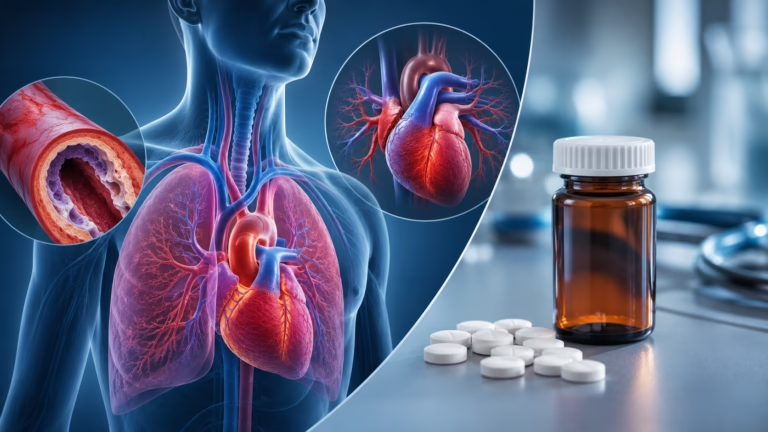
Under normal circumstances, blood flows from the right side of the heart through the pulmonary arteries to the lungs, where it receives oxygen before returning to the left side of the heart. When pressure within the pulmonary arteries rises, the right ventricle must work harder to pump blood through the lungs. Over time, this increased workload can weaken the heart muscle and eventually lead to right-sided heart failure.
Pulmonary hypertension is classified into several groups based on its underlying cause. Pulmonary arterial hypertension is a disease of the pulmonary arteries themselves, whereas other forms result from left-sided heart disease, chronic lung conditions, blood clots in the lungs, or complex multifactorial causes. Regardless of the underlying mechanism, the end result is increased resistance to blood flow through the lungs.
The symptoms of pulmonary hypertension often develop gradually and may initially be mistaken for other conditions. Individuals commonly experience shortness of breath during physical activity, persistent fatigue, chest discomfort, dizziness, and reduced exercise tolerance. As the disease progresses, swelling may develop in the legs, ankles, abdomen, or feet due to fluid retention associated with heart dysfunction.
Without appropriate treatment, pulmonary hypertension can significantly affect quality of life and may lead to serious complications, including right heart failure, arrhythmias, and reduced survival.
Understanding Sleep Apnea
Sleep apnea is a sleep-related breathing disorder characterized by repeated interruptions in breathing during sleep. These pauses can occur dozens or even hundreds of times throughout the night, often without the individual’s awareness.
The most common form is obstructive sleep apnea. This condition occurs when the muscles of the throat relax excessively during sleep, causing partial or complete collapse of the airway. As airflow becomes restricted, oxygen levels fall and the brain briefly awakens the individual to restore normal breathing. Although these awakenings are often so brief that they are not remembered, they repeatedly disrupt sleep quality.
Another form, known as central sleep apnea, occurs when the brain temporarily fails to send proper signals to the muscles responsible for breathing. This form is less common but is frequently associated with heart failure and other neurological conditions.
Several factors increase the likelihood of developing obstructive sleep apnea. Excess body weight is one of the strongest risk factors because additional tissue around the neck can narrow the airway. Other contributing factors include a large neck circumference, family history, advancing age, alcohol consumption before bedtime, smoking, and certain anatomical features that reduce airway size.
Common symptoms of sleep apnea include loud snoring, witnessed pauses in breathing, gasping or choking during sleep, excessive daytime sleepiness, morning headaches, difficulty concentrating, mood changes, and persistent fatigue.
Because many people remain undiagnosed for years, sleep apnea often continues causing damage to the cardiovascular system before treatment begins.
How Sleep Apnea Contributes to Pulmonary Hypertension
The connection between sleep apnea and pulmonary hypertension is primarily driven by repeated episodes of oxygen deprivation during sleep.
Each time breathing stops or becomes restricted, oxygen levels in the bloodstream decline. In response, the blood vessels within the lungs constrict in an attempt to redirect blood flow toward better-oxygenated regions. While this response is helpful during isolated episodes, repeated nightly oxygen deprivation causes persistent stress on the pulmonary circulation.
Over months and years, the repeated narrowing of pulmonary blood vessels increases resistance to blood flow. As resistance rises, pulmonary artery pressure gradually increases. The right side of the heart must then generate greater force to overcome this resistance, leading to strain and eventual enlargement of the right ventricle.
Sleep apnea also activates the sympathetic nervous system, which is responsible for the body’s fight-or-flight response. Frequent nighttime awakenings trigger the release of stress hormones such as adrenaline and noradrenaline. These hormones increase heart rate, elevate blood pressure, and place additional stress on the cardiovascular system.
Chronic inflammation represents another important mechanism. Repeated oxygen fluctuations contribute to inflammation and oxidative stress within blood vessel walls. This process damages the delicate lining of the pulmonary arteries and promotes structural changes known as vascular remodeling. As artery walls thicken and become less flexible, pulmonary pressures continue to rise.
Together, these processes explain why untreated sleep apnea is considered a significant contributor to pulmonary hypertension development and progression.
Recognizing Symptoms When Both Conditions Occur Together
Pulmonary hypertension and sleep apnea frequently share similar symptoms, making diagnosis challenging. In some cases, symptoms attributed to one condition may actually be caused or worsened by the other.
Individuals with both conditions often experience excessive daytime fatigue despite spending adequate time in bed. Many report waking up unrefreshed and struggling with concentration throughout the day. Morning headaches are also common due to overnight oxygen deprivation.
Shortness of breath during physical activity may gradually worsen as pulmonary pressures increase. Some individuals notice reduced exercise tolerance and find themselves becoming winded during activities that were previously manageable.
Sleep-related symptoms frequently include loud snoring, choking or gasping during sleep, restless nights, and frequent awakenings. Family members or partners often notice breathing pauses before the affected individual becomes aware of the problem.
As pulmonary hypertension progresses, swelling may develop in the ankles, feet, legs, or abdomen due to fluid retention. Some individuals experience chest discomfort, dizziness, or episodes of near-fainting during physical exertion.
Because these symptoms overlap significantly, healthcare providers often evaluate both conditions when patients present with unexplained fatigue, breathlessness, or sleep disturbances.
Diagnostic Evaluation
Accurate diagnosis requires a comprehensive assessment involving both sleep and cardiovascular testing.
A sleep study, also known as polysomnography, is the primary diagnostic tool for sleep apnea. During this test, breathing patterns, oxygen levels, heart rate, brain activity, and sleep stages are monitored throughout the night. The study determines the severity of sleep apnea and helps guide treatment recommendations.
An echocardiogram is commonly used to evaluate the heart and estimate pulmonary artery pressures. This ultrasound examination provides information about heart chamber size, valve function, and signs of right ventricular strain associated with pulmonary hypertension.
For definitive confirmation of pulmonary hypertension, right heart catheterization remains the gold standard. During this procedure, a thin catheter is inserted into the heart and pulmonary arteries to directly measure pressures and assess blood flow dynamics.
Additional tests may include pulmonary function testing, chest imaging, blood work, electrocardiography, and six-minute walk testing to evaluate exercise capacity and disease severity.
Referral to specialists in pulmonary hypertension and sleep medicine is often beneficial for comprehensive management.
Treatment Strategies
Effective treatment requires addressing both pulmonary hypertension and sleep apnea simultaneously.
One of the most important interventions for obstructive sleep apnea is continuous positive airway pressure therapy. CPAP delivers a steady stream of air through a mask worn during sleep, preventing airway collapse and maintaining normal oxygen levels throughout the night.
Numerous studies have demonstrated that CPAP therapy can reduce pulmonary artery pressures in patients whose pulmonary hypertension is linked to sleep apnea. Consistent use improves sleep quality, reduces cardiovascular stress, and enhances daytime energy levels.
Weight reduction is another highly effective strategy. Even modest weight loss can significantly improve airway function and reduce the severity of obstructive sleep apnea. In some cases, weight management may also contribute to lower pulmonary pressures and improved cardiovascular health.
Patients with persistent low oxygen levels may require supplemental oxygen therapy, particularly during sleep or physical activity.
For pulmonary hypertension itself, treatment depends on the specific type and severity of disease. Medications may include endothelin receptor antagonists, phosphodiesterase-5 inhibitors, prostacyclin therapies, or other targeted treatments designed to relax pulmonary blood vessels and reduce vascular resistance.
Lifestyle modifications remain essential. Avoiding tobacco products, limiting alcohol consumption, maintaining regular physical activity within medical recommendations, following a heart-healthy diet, and controlling other cardiovascular risk factors can significantly improve outcomes.
Living Well with Pulmonary Hypertension and Sleep Apnea
Successful long-term management involves active participation in treatment and ongoing communication with healthcare providers.
Patients should use CPAP therapy consistently every night, even when symptoms improve. Regular follow-up appointments help ensure treatment remains effective and allow for adjustments when necessary.
Monitoring symptoms at home can provide valuable information. Tracking oxygen levels, exercise tolerance, weight changes, and swelling can help identify worsening disease before serious complications develop.
Support groups and educational resources may also be beneficial. Connecting with others facing similar challenges often provides practical advice and emotional encouragement.
Working closely with cardiologists, pulmonologists, sleep specialists, dietitians, and primary care providers creates a coordinated approach that addresses both conditions comprehensively.
Conclusion
Pulmonary hypertension and sleep apnea are closely interconnected conditions that can significantly impact cardiovascular and respiratory health. Repeated episodes of oxygen deprivation during sleep contribute to increased pulmonary artery pressure, vascular remodeling, and strain on the right side of the heart. At the same time, pulmonary hypertension can worsen symptoms of fatigue and breathlessness, creating a cycle that affects quality of life.
Fortunately, early recognition and treatment can make a substantial difference. Diagnostic tools such as sleep studies, echocardiography, and right heart catheterization allow healthcare providers to identify these conditions accurately and develop individualized treatment plans.
Consistent CPAP therapy, lifestyle modifications, weight management, supplemental oxygen when necessary, and targeted pulmonary hypertension medications can help reduce symptoms, improve daily functioning, and slow disease progression. By understanding the relationship between pulmonary hypertension and sleep apnea and taking proactive steps toward treatment, individuals can protect their heart and lung health while enjoying a better quality of life for years to come.
Disclaimer
This article is for educational purposes only and does not replace professional medical advice, diagnosis, or treatment. Seizures, severe headache, confusion, visual changes, or blood pressure readings in the hypertensive crisis range require urgent medical evaluation.
Was this page helpful?
Thanks for your feedback! What could we improve?
Thank you! Your feedback helps us improve our articles.
True Impact Health articles are written by our editorial team and based on reliable sources such as public health agencies, clinical guidelines and peer-reviewed research. This article has not yet been medically reviewed. Read our editorial process.
This content is for general information and is not a substitute for professional medical advice, diagnosis or treatment.