













How to Treat Mold in Crawl Space
A crawl space may be one of the most overlooked areas of a home, but it plays a critical role in the overall health and stability of the property. Because...
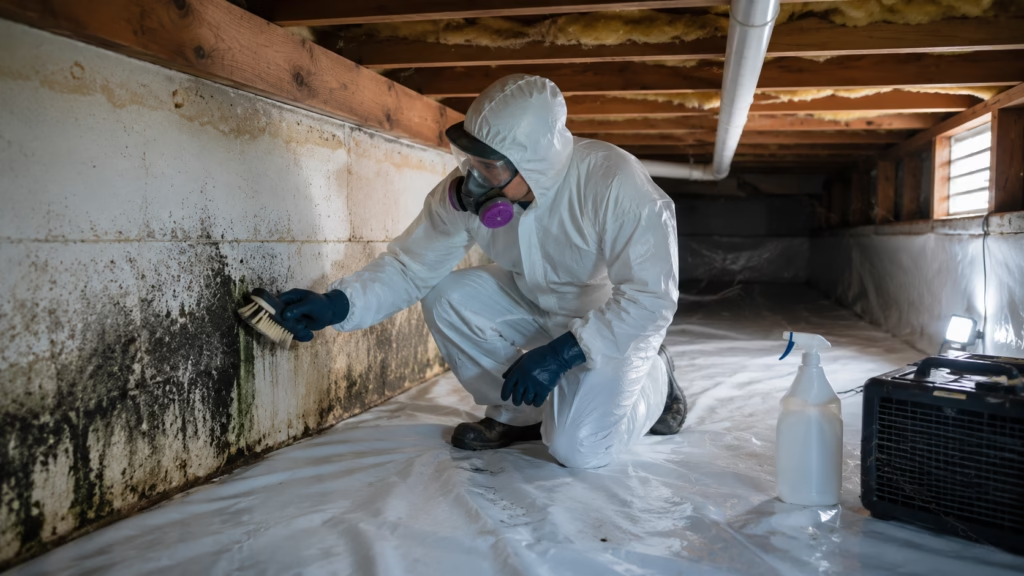
Table of Contents
Introduction
A crawl space may be one of the most overlooked areas of a home, but it plays a critical role in the overall health and stability of the property. Because crawl spaces are often dark, damp, and poorly ventilated, they create an ideal environment for mold growth. Once mold becomes established, it can spread quickly across wood, insulation, and other building materials. In addition to causing unpleasant odors, mold can contribute to structural damage and negatively affect indoor air quality throughout the home.
Many homeowners are surprised to learn that air from the crawl space can circulate into living areas through gaps in flooring, plumbing penetrations, and ventilation systems. As a result, mold growing beneath the house can eventually impact the health and comfort of everyone inside.
The good news is that mold in a crawl space can often be treated successfully when addressed promptly and correctly. This guide explains how mold develops, how to inspect a crawl space safely, effective mold removal techniques, and the most important steps for preventing future mold problems.
Understanding Mold in Crawl Spaces
Mold is a naturally occurring fungus that reproduces through microscopic spores found virtually everywhere in the environment. Under normal circumstances, these spores remain dormant. However, when they encounter moisture, organic material, and suitable temperatures, they can begin growing rapidly.
Crawl spaces provide many of the conditions mold needs to thrive. High humidity levels, condensation on foundation walls, plumbing leaks, groundwater seepage, and poor ventilation all contribute to excessive moisture. Wood framing, floor joists, insulation paper, cardboard, and other organic materials serve as food sources for mold colonies.
In many homes, seasonal weather changes worsen the problem. Warm outdoor air entering a cool crawl space can create condensation on surfaces, while heavy rainfall can increase moisture levels in the soil beneath the house. Over time, these conditions create an environment where mold growth becomes increasingly difficult to control.
Why Mold in a Crawl Space Is a Serious Problem
Many homeowners view mold as primarily a cosmetic issue, but the consequences can extend far beyond discoloration.
One of the most significant concerns is its impact on indoor air quality. Mold spores can become airborne and travel throughout the home, potentially triggering allergic reactions and respiratory symptoms. Individuals with asthma, allergies, or weakened immune systems may be particularly sensitive to mold exposure.
Common health effects associated with mold exposure include sneezing, nasal congestion, coughing, throat irritation, headaches, watery eyes, and worsening asthma symptoms. Some people may experience fatigue or difficulty concentrating when exposed to elevated levels of mold spores.
Beyond health concerns, mold can damage the structure of a home. As mold feeds on organic materials, it contributes to wood decay and deterioration. Floor joists, support beams, subflooring, and other structural components may gradually weaken if moisture problems remain unresolved.
Additionally, damp crawl spaces often attract pests such as termites, carpenter ants, rodents, and insects that further threaten the integrity of the property.
Inspecting Your Crawl Space for Mold
Before beginning any treatment process, it is important to assess the extent of the problem carefully.
Safety should always be the first priority. Crawl spaces can contain airborne mold spores, dust, insects, and potentially hazardous materials. Anyone entering a mold-affected crawl space should wear appropriate protective equipment, including a properly fitted N95 or P100 respirator, protective eyewear, gloves, and disposable coveralls.
Begin by conducting a thorough visual inspection. Look for black, green, white, or gray discoloration on wood framing, floor joists, insulation, support posts, and foundation walls. Mold may appear fuzzy, powdery, slimy, or stain-like depending on the species and level of moisture present.
Pay attention to odors as well. A persistent musty or earthy smell often indicates hidden mold growth even when it is not immediately visible.
Using a moisture meter or hygrometer can provide valuable information about conditions within the crawl space. Relative humidity consistently above 60 percent creates favorable conditions for mold growth and should be addressed promptly.
Inspect for signs of water intrusion, including plumbing leaks, standing water, foundation cracks, improperly directed downspouts, or poor exterior drainage.
When Professional Mold Remediation Is Necessary
Although many small mold problems can be addressed by homeowners, some situations require professional intervention.
Professional remediation is generally recommended when mold covers an area larger than approximately ten square feet. Large infestations often require specialized containment procedures and commercial-grade equipment to prevent spores from spreading throughout the home.
Professional assistance is also advisable if there is evidence of structural damage, extensive wood rot, persistent water intrusion, or suspected contamination by potentially hazardous mold species.
Homeowners with asthma, chronic respiratory conditions, severe allergies, or weakened immune systems should avoid direct exposure to mold and consider hiring qualified remediation specialists.
Professionals can perform comprehensive moisture assessments, remove contaminated materials safely, and implement long-term solutions to prevent recurrence.
Preparing the Crawl Space for Mold Treatment
Successful mold remediation begins with proper preparation.
Start by addressing any active sources of moisture. Mold will quickly return if leaks, drainage problems, or excessive humidity remain unresolved.
Remove damaged insulation, cardboard, wood debris, and other contaminated materials that cannot be effectively cleaned. Place these materials in heavy-duty plastic bags and seal them before disposal.
If standing water is present, remove it using pumps, wet vacuums, or absorbent materials. Allow the area to dry as thoroughly as possible before beginning mold treatment.
In some situations, temporary containment measures may be necessary. Plastic sheeting can be used to isolate affected areas and reduce the spread of airborne spores during cleaning.
Cleaning and Removing Mold
Once the crawl space is dry and prepared, the cleaning process can begin.
The first step is to physically remove visible mold growth from affected surfaces. Scrubbing with a detergent solution and a stiff-bristle brush is often effective for cleaning wood framing, concrete surfaces, and foundation walls.
After scrubbing, surfaces should be rinsed carefully and allowed to dry.
A mold treatment solution can then be applied. Many homeowners choose commercial mold remediation products specifically designed for structural materials. These products are often more effective and less damaging than household bleach.
While bleach is sometimes used on non-porous surfaces, it is generally less effective on porous materials such as wood because it may not penetrate deeply enough to eliminate embedded mold colonies. Specialized mold control products are usually preferred for crawl space applications.
Allow the treatment solution to remain on the surface according to manufacturer recommendations before wiping or rinsing if necessary.
After cleaning and drying, a HEPA-filter vacuum can be used to capture residual mold spores and dust from surfaces. Standard household vacuums should not be used because they can disperse spores back into the air.
Treating and Protecting Structural Materials
Once mold removal is complete, additional protective measures can help prevent future growth.
Many homeowners apply antimicrobial treatments or mold-resistant sealants to wood framing and foundation walls. These products create an additional layer of protection against future microbial growth.
If insulation was removed during remediation, consider replacing it with moisture-resistant materials designed for crawl space environments. Closed-cell foam insulation or rigid foam board products are often more resistant to mold than traditional fiberglass insulation.
Any severely damaged structural components should be evaluated by a qualified contractor and replaced if necessary.
Preventing Mold from Returning
Removing existing mold is only half the battle. Long-term prevention depends on controlling moisture.
One of the most effective solutions is installing a vapor barrier. A heavy-duty polyethylene sheet placed over exposed soil helps prevent moisture from evaporating into the crawl space. All seams should be overlapped and sealed securely.
Humidity control is equally important. Many homeowners benefit from installing a crawl-space-rated dehumidifier capable of maintaining relative humidity below 50 percent. Lower humidity levels significantly reduce the likelihood of mold growth.
Proper drainage around the home’s exterior also plays a crucial role. Gutters and downspouts should direct rainwater well away from the foundation. The surrounding landscape should slope away from the house to prevent water accumulation near crawl space walls.
Ventilation systems may also require evaluation. Depending on climate conditions, a sealed and conditioned crawl space may perform better than a traditionally vented crawl space.
Regular inspections should become part of routine home maintenance. Checking for leaks, elevated humidity levels, water stains, or early signs of mold growth every few months can help identify problems before they become serious.
Maintaining a Healthy Crawl Space
Ongoing maintenance is the key to long-term success.
Inspect plumbing lines regularly for leaks or condensation. Monitor humidity levels throughout the year, particularly during humid seasons. Ensure dehumidifiers remain operational and clean. Test sump pumps periodically if they are present.
Promptly addressing any signs of water intrusion can prevent small moisture problems from developing into major mold infestations.
A clean, dry crawl space not only protects the structure of the home but also contributes to healthier indoor air quality and improved energy efficiency.
Conclusion
Mold in a crawl space may seem intimidating, but it is a problem that can be effectively managed with a systematic approach. Successful treatment begins with identifying the source of moisture, conducting a thorough inspection, and removing existing mold safely and completely. Equally important are the preventive measures that follow, including moisture control, vapor barriers, dehumidification, proper drainage, and regular inspections.
By investing time and effort into crawl space maintenance, homeowners can protect their property’s structural integrity, improve indoor air quality, and prevent costly repairs in the future. A dry, mold-free crawl space provides a strong foundation for a healthier, safer, and more comfortable home for years to come.
Disclaimer
This article is for educational purposes only and does not replace professional medical advice, diagnosis, or treatment. Seizures, severe headache, confusion, visual changes, or blood pressure readings in the hypertensive crisis range require urgent medical evaluation.
Was this page helpful?
Thanks for your feedback! What could we improve?
Thank you! Your feedback helps us improve our articles.
True Impact Health articles are written by our editorial team and based on reliable sources such as public health agencies, clinical guidelines and peer-reviewed research. This article has not yet been medically reviewed. Read our editorial process.
This content is for general information and is not a substitute for professional medical advice, diagnosis or treatment.