













Agent Orange and Congestive Heart Failure
Agent Orange remains one of the most significant and controversial environmental exposures in military history. Used extensively during the Vietnam War,...

Table of Contents
Introduction
Agent Orange remains one of the most significant and controversial environmental exposures in military history. Used extensively during the Vietnam War, this herbicide was intended to remove dense vegetation that provided cover for enemy forces. However, the long-term health consequences of exposure to Agent Orange continue to affect many veterans decades after their service. Among the growing health concerns associated with Agent Orange exposure is its potential impact on cardiovascular health, including the development of congestive heart failure (CHF).
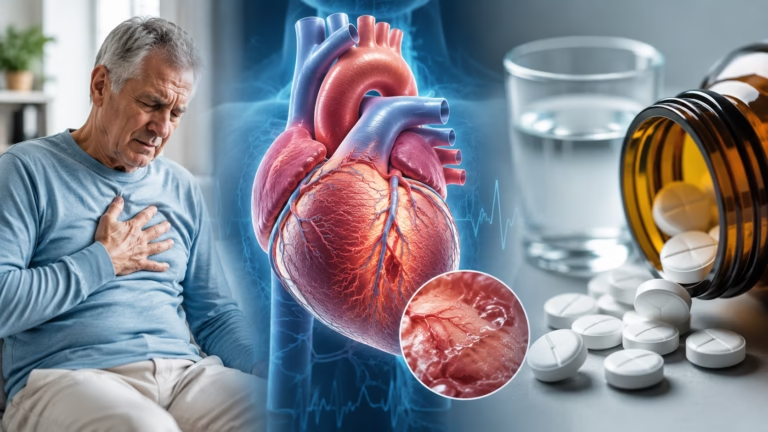
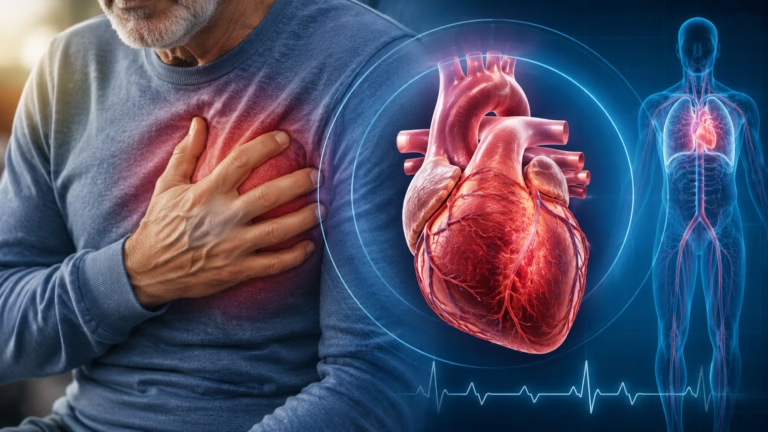
Congestive heart failure is a serious chronic condition that affects the heart’s ability to pump blood effectively throughout the body. While heart failure can result from many causes, researchers have increasingly examined whether exposure to the toxic dioxin contaminant found in Agent Orange may contribute to cardiovascular damage that eventually leads to heart failure. Although the relationship between Agent Orange and congestive heart failure remains an area of ongoing research, evidence suggests that veterans exposed to Agent Orange may face a higher risk of developing cardiovascular diseases that can ultimately contribute to heart failure.
Understanding the potential connection between Agent Orange and congestive heart failure is important for veterans, caregivers, and healthcare providers. Increased awareness can promote early screening, timely treatment, and access to available healthcare resources and benefits.
Understanding Agent Orange and Its Historical Use
Agent Orange was one of several herbicides used by the United States military during the Vietnam War between 1962 and 1971. The primary purpose of the herbicide program was to remove forest cover and destroy crops that could support enemy operations. Millions of gallons of Agent Orange were sprayed throughout Vietnam, Laos, and parts of Cambodia during this period.
The herbicide itself consisted primarily of two chemical compounds known as 2,4-D and 2,4,5-T. However, the greatest health concern stems from contamination with a highly toxic compound called tetrachlorodibenzo-p-dioxin, commonly referred to as TCDD or simply dioxin. Dioxin is an environmental pollutant that can persist in the body for years and has been linked to numerous health problems.
Approximately 2.6 million American service members served in areas where Agent Orange was used. Exposure occurred through direct spraying, contaminated soil, water sources, equipment, and airborne drift. Many veterans were unaware of the potential risks at the time and only began experiencing health consequences years or even decades later.
Today, Agent Orange exposure remains an important public health issue, particularly as aging veterans develop chronic diseases that may be linked to their military service.
The Health Effects of Dioxin Exposure
Dioxin is considered one of the most toxic environmental contaminants known to science. The compound can accumulate in fatty tissues and remain in the body for extended periods. Research has shown that dioxin exposure can interfere with multiple biological systems, including the immune, endocrine, metabolic, and cardiovascular systems.
The International Agency for Research on Cancer (IARC) classifies TCDD as a Group 1 carcinogen, meaning there is sufficient evidence that it can cause cancer in humans. Beyond cancer, dioxin exposure has been associated with numerous chronic conditions, including type 2 diabetes, peripheral neuropathy, thyroid disorders, and several cardiovascular diseases.
Scientists believe that dioxin exerts many of its harmful effects by binding to cellular receptors known as aryl hydrocarbon receptors. Activation of these receptors can trigger abnormal gene expression, inflammation, oxidative stress, and tissue damage throughout the body.
These biological effects have prompted researchers to investigate whether long-term exposure may also contribute to heart disease and congestive heart failure.
Understanding Congestive Heart Failure
Congestive heart failure is not a specific disease but rather a clinical syndrome that develops when the heart is unable to pump blood efficiently enough to meet the body’s needs. As cardiac function declines, blood flow becomes inadequate, and fluid may accumulate in the lungs, abdomen, legs, and other tissues.
Heart failure can affect either the heart’s pumping function or its ability to relax and fill properly. When the heart muscle becomes weakened and cannot contract effectively, the condition is known as systolic heart failure or heart failure with reduced ejection fraction. In contrast, when the heart becomes stiff and cannot fill adequately despite normal pumping strength, the condition is called diastolic heart failure or heart failure with preserved ejection fraction.
The symptoms of congestive heart failure often develop gradually. Many patients initially experience fatigue, reduced exercise tolerance, and shortness of breath during physical activity. As the condition progresses, symptoms may occur even at rest. Fluid accumulation can cause swelling of the ankles, legs, feet, and abdomen. Some individuals develop persistent coughing, wheezing, or difficulty breathing when lying flat.
Heart failure significantly impacts quality of life and can lead to repeated hospitalizations if not properly managed.
Traditional Risk Factors for Congestive Heart Failure
Many veterans exposed to Agent Orange may also possess conventional risk factors that increase the likelihood of developing heart failure. Hypertension remains one of the most common contributors to heart failure because chronically elevated blood pressure forces the heart to work harder over time.
Coronary artery disease is another major cause. Reduced blood flow to the heart muscle can result in myocardial infarction, commonly known as a heart attack, which damages cardiac tissue and weakens pumping function.
Diabetes, obesity, smoking, chronic kidney disease, and excessive alcohol consumption also increase the risk of developing congestive heart failure. As veterans age, the cumulative impact of these risk factors may compound the potential cardiovascular effects associated with Agent Orange exposure.
Understanding how environmental exposures interact with traditional cardiovascular risk factors remains an important focus of ongoing medical research.
Evidence Linking Agent Orange to Cardiovascular Disease
Over the past several decades, numerous studies have investigated the long-term health effects of Agent Orange exposure. Although direct evidence linking Agent Orange specifically to congestive heart failure continues to evolve, substantial research supports an association between Agent Orange exposure and several cardiovascular conditions that can ultimately lead to heart failure.
The Department of Veterans Affairs already recognizes ischemic heart disease as a presumptive condition associated with Agent Orange exposure. Ischemic heart disease occurs when reduced blood flow to the heart muscle causes damage and increases the risk of heart attacks and subsequent heart failure.
Several studies involving Vietnam veterans have demonstrated higher rates of hypertension among individuals exposed to Agent Orange. Since hypertension is one of the strongest predictors of congestive heart failure, this association is particularly important.
Data from large veteran populations have also suggested increased rates of cardiovascular disease among exposed individuals compared with non-exposed populations. Although research continues, many experts believe that the cardiovascular consequences of dioxin exposure may contribute indirectly to heart failure through multiple biological pathways.
Potential Biological Mechanisms
Scientists have proposed several mechanisms through which Agent Orange exposure may increase the risk of congestive heart failure.
One important mechanism involves chronic inflammation. Dioxin exposure can activate inflammatory pathways throughout the body, leading to ongoing damage to blood vessels and cardiac tissue. Persistent inflammation contributes to the development of atherosclerosis, a condition characterized by plaque buildup within arteries.
Oxidative stress represents another potential mechanism. Dioxin increases the production of harmful free radicals that damage cellular structures, including those within the heart and vascular system. Over time, oxidative damage may impair cardiac function and contribute to heart failure development.
Dioxin exposure may also affect endothelial function. The endothelium is the inner lining of blood vessels and plays a critical role in regulating blood flow and vascular health. Damage to this system can increase vascular stiffness, elevate blood pressure, and place additional strain on the heart.
Additionally, some studies suggest that dioxin may interfere with metabolic processes, increasing the risk of diabetes and obesity, both of which are major contributors to cardiovascular disease and heart failure.
Screening and Early Detection
For veterans with known or suspected Agent Orange exposure, proactive cardiovascular screening is essential. Early detection of heart disease allows for timely intervention and may prevent progression to advanced heart failure.
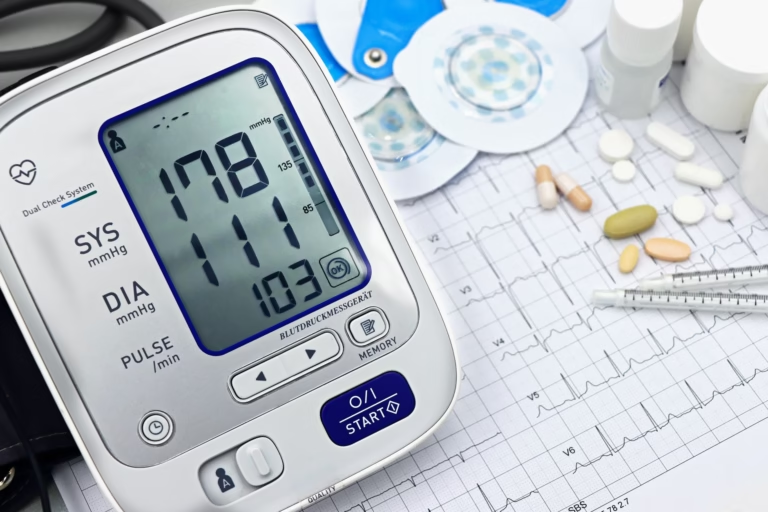
Routine blood pressure monitoring is particularly important because hypertension often develops silently. Regular cholesterol testing, diabetes screening, and cardiovascular risk assessments should also be part of ongoing healthcare maintenance.
If symptoms such as shortness of breath, unexplained fatigue, swelling of the legs, or reduced exercise tolerance develop, further evaluation may be warranted. Diagnostic tests commonly used to assess heart function include echocardiography, electrocardiography, stress testing, and blood tests such as B-type natriuretic peptide (BNP) measurements.
These evaluations can identify early signs of cardiac dysfunction before severe heart failure develops.
Treatment and Management of Congestive Heart Failure
Although congestive heart failure cannot usually be cured, modern treatment strategies can significantly improve symptoms, quality of life, and survival.
Lifestyle modifications form the foundation of management. Patients are often advised to follow a low-sodium diet, maintain a healthy weight, engage in appropriate physical activity, and avoid tobacco use. These measures help reduce the workload on the heart and improve overall cardiovascular health.
Medications play a central role in treatment. ACE inhibitors, angiotensin receptor blockers, beta-blockers, and mineralocorticoid receptor antagonists are commonly prescribed to improve cardiac function and reduce disease progression. Diuretics help remove excess fluid and relieve symptoms such as swelling and shortness of breath.
In more advanced cases, specialized therapies such as implantable cardioverter-defibrillators, cardiac resynchronization devices, ventricular assist devices, or heart transplantation may be considered.
Early diagnosis and consistent treatment remain critical for achieving the best possible outcomes.
VA Benefits and Resources for Veterans
The Department of Veterans Affairs provides numerous healthcare services and benefits for veterans affected by Agent Orange exposure. Although congestive heart failure itself is not currently designated as a presumptive Agent Orange condition, related cardiovascular diseases such as ischemic heart disease are recognized and may qualify for disability compensation.
Veterans who believe their heart condition may be related to Agent Orange exposure should gather relevant military service records and medical documentation. Working with a Veterans Service Organization or accredited claims representative can help simplify the claims process and improve the likelihood of a successful application.
The VA also offers specialized cardiology clinics, preventive health programs, rehabilitation services, and mental health support for veterans managing chronic cardiovascular diseases.
Heart-Healthy Lifestyle Strategies for Veterans
Regardless of whether heart disease is directly related to Agent Orange exposure, adopting heart-healthy habits can significantly reduce cardiovascular risk and improve overall health.
A balanced diet rich in fruits, vegetables, whole grains, lean proteins, and healthy fats supports cardiovascular function and helps control blood pressure and cholesterol levels. Regular physical activity, when approved by a healthcare provider, strengthens the heart and improves circulation.
Stress management techniques such as meditation, counseling, mindfulness, and participation in support groups may also provide important benefits. Veterans should maintain regular medical appointments and follow recommended screening schedules to detect problems early.
These proactive measures can help preserve heart health and reduce the likelihood of serious complications.
Conclusion
Agent Orange exposure continues to affect the health of Vietnam-era veterans many decades after military service. While research is ongoing, growing evidence suggests that exposure to dioxin may contribute to cardiovascular diseases that increase the risk of congestive heart failure. Through mechanisms such as chronic inflammation, oxidative stress, vascular damage, and metabolic disruption, Agent Orange may play a role in the development of conditions that ultimately weaken the heart.
Veterans with known exposure should remain vigilant about their cardiovascular health by undergoing regular screenings, managing traditional risk factors, and seeking prompt medical attention for any concerning symptoms. Understanding available VA benefits and healthcare resources can also provide valuable support.
Although the long-term effects of Agent Orange cannot be reversed, early detection, appropriate treatment, and heart-healthy lifestyle choices can help veterans maintain a better quality of life and reduce the burden of cardiovascular disease. By staying informed and working closely with healthcare providers, veterans can take meaningful steps toward protecting their heart health and overall well-being.
Disclaimer
This article is for educational purposes only and does not replace professional medical advice, diagnosis, or treatment. Seizures, severe headache, confusion, visual changes, or blood pressure readings in the hypertensive crisis range require urgent medical evaluation.
Was this page helpful?
Thanks for your feedback! What could we improve?
Thank you! Your feedback helps us improve our articles.
True Impact Health articles are written by our editorial team and based on reliable sources such as public health agencies, clinical guidelines and peer-reviewed research. This article has not yet been medically reviewed. Read our editorial process.
This content is for general information and is not a substitute for professional medical advice, diagnosis or treatment.