Abortion, whether medical or surgical, is generally considered a safe healthcare procedure when performed under appropriate medical supervision. However,...
Abortion, whether medical or surgical, is generally considered a safe healthcare procedure when performed under appropriate medical supervision. However, as with any procedure involving the reproductive system, there is a small risk of post-procedural infection. Although uncommon, these infections can become serious if not identified and treated promptly.
Key takeaways
Recognize infection signs: fever above 100.4°F, foul-smelling discharge, worsening pelvic pain, heavy bleeding, or systemic symptoms; seek prompt medical evaluation.
Immediate medical assessment, including exam, ultrasound, and laboratory tests, prevents spread and guides targeted treatment.
Start broad spectrum antibiotics promptly; adjust based on cultures and complete the full prescribed course to ensure infection resolution.
Surgical removal of retained tissue or abscess drainage may be necessary; rest, hydration, hygiene, and follow up support recovery.
Understanding how infections develop after abortion, recognizing early symptoms, and seeking timely medical care are critical steps in preventing complications. In addition to physical recovery, emotional support and informed self-care also play important roles in overall well-being during the recovery process.
This guide provides a detailed explanation of the causes, warning signs, treatment options, preventive strategies, and supportive care measures related to post-abortion infections.
Understanding Post-Abortion Infections
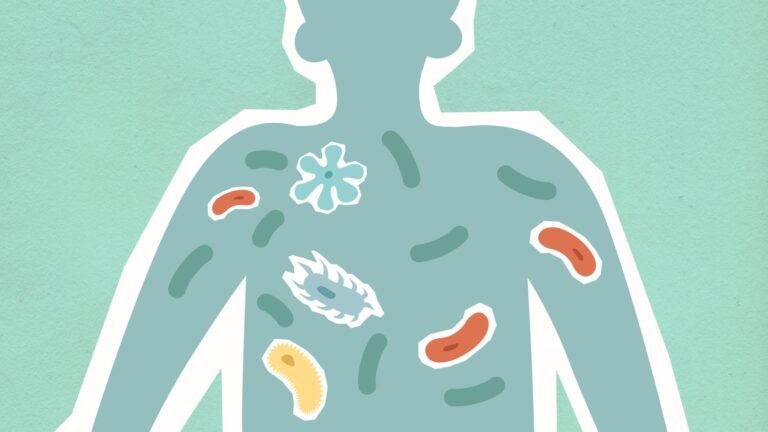
Post-abortion infections occur when bacteria enter and multiply within the reproductive tract following the procedure. These infections may involve the uterus, cervix, fallopian tubes, or surrounding pelvic tissues.
One common contributing factor is bacterial exposure. Even when strict sterilization procedures are followed, naturally occurring bacteria from the vagina or surrounding skin may occasionally enter the uterus during or after the procedure.
Retained tissue also represents a significant risk factor. Small fragments of pregnancy tissue left within the uterus can create an environment favorable for bacterial growth. When bacteria multiply in retained tissue, inflammation and infection may develop rapidly.
Individual immune response also influences susceptibility. Some individuals recover without complications due to effective immune defense mechanisms, while others may be more vulnerable to bacterial infection because of underlying health conditions, nutritional deficiencies, or weakened immunity.
Recognizing the Warning Signs
Early recognition of symptoms is essential because prompt treatment greatly reduces the risk of severe complications.
Fever is one of the most common indicators of infection. A body temperature above 100.4 degrees Fahrenheit may suggest that the immune system is responding to bacterial invasion. Persistent or rising fever should never be ignored following an abortion procedure.
Abnormal vaginal discharge is another important warning sign. Discharge that appears yellow, green, or gray and has a foul odor may indicate bacterial infection within the uterus or reproductive tract.
Pelvic pain and cramping are expected to some extent after abortion, but severe or worsening pain may signal infection or retained tissue. Pain that becomes increasingly intense instead of gradually improving requires immediate medical evaluation.
Chills, night sweats, persistent nausea, and vomiting may reflect systemic infection and should be taken seriously. These symptoms suggest that the body is mounting a broader inflammatory response.
Heavy or unusual bleeding also requires attention. Soaking through more than one sanitary pad per hour may indicate complications such as retained tissue, uterine injury, or severe infection.
The Importance of Prompt Medical Attention
Delaying treatment can allow infection to spread beyond the uterus into the pelvic cavity or bloodstream, increasing the risk of serious complications such as sepsis, infertility, or organ damage.
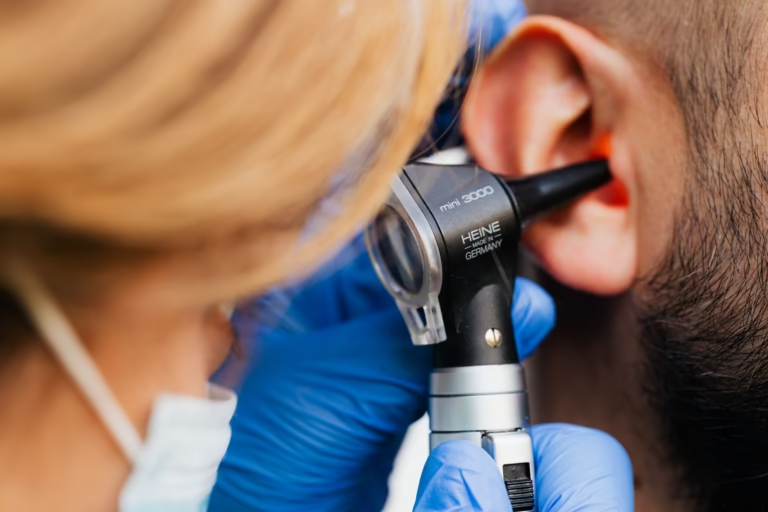
When a healthcare provider evaluates a suspected post-abortion infection, several diagnostic steps are usually involved. A physical examination helps assess abdominal tenderness, uterine size, and signs of inflammation. Ultrasound imaging may be used to determine whether retained tissue remains within the uterus or if abscess formation is present.
Laboratory testing often includes blood analysis to evaluate markers of infection and inflammation. Vaginal or cervical cultures may also be obtained to identify the specific bacteria responsible, allowing for more targeted antibiotic therapy.
The healthcare provider will additionally review medical history, allergies, and current medications to ensure safe and effective treatment planning.
Medical Treatment Options
Antibiotic Therapy
Antibiotics are the primary treatment for post-abortion infections. In many cases, broad spectrum antibiotics are initiated immediately to control infection before laboratory results become available. Medications such as doxycycline and metronidazole are commonly prescribed because they are effective against a wide range of bacteria associated with pelvic infections.
Once culture results identify the specific organism, treatment may be adjusted to ensure the most effective therapy. Completing the full antibiotic course is essential, even if symptoms improve early, because stopping treatment prematurely can allow bacteria to persist or recur.
Surgical Intervention
In cases involving retained tissue, surgical management may be necessary. Dilation and curettage, commonly known as D&C, may be performed to remove remaining tissue from the uterus and eliminate the source of infection.
If abscesses develop, drainage procedures may also be required to remove infected fluid collections and reduce inflammation.
Pain and Symptom Management
Pain relief is an important component of recovery. Mild to moderate discomfort may be managed with over the counter medications such as ibuprofen or acetaminophen. More severe pain may require prescription medications under medical supervision.
Supportive treatment may also include medications for nausea, fever reduction, and hydration support when needed.
Home Care and Recovery Support
Rest and Physical Recovery
Adequate rest allows the body to direct energy toward immune function and tissue healing. Strenuous physical activity should generally be avoided for several days after treatment begins. Resting with supportive positioning, such as placing a pillow beneath the knees, may help reduce pelvic pressure and discomfort.
Hydration and Nutrition
Maintaining proper hydration supports circulation, immune function, and removal of metabolic waste products. Water intake should be consistent throughout recovery.
Nutritional support is equally important. Balanced meals rich in protein, vitamins, and minerals provide the nutrients necessary for tissue repair and immune recovery. Foods containing iron may also help replenish blood loss associated with bleeding.
Hygiene Practices
Good hygiene reduces the risk of worsening infection. Clean cotton underwear should be used to promote ventilation and minimize irritation. Tampons and douching should be avoided until cleared by a healthcare provider because they may introduce bacteria into the reproductive tract.
Frequent changing of sanitary pads also helps reduce bacterial growth and maintain cleanliness.
Monitoring Symptoms
Keeping a symptom record can help track recovery progress. Monitoring body temperature, pain levels, bleeding patterns, and discharge changes provides valuable information for healthcare providers if symptoms worsen or fail to improve.
Prevention and Follow-Up Care
Preventive measures significantly reduce the likelihood of infection following abortion procedures. In some healthcare settings, prophylactic antibiotics are administered before or after the procedure to decrease bacterial risk.
Follow up appointments are essential because they allow healthcare providers to confirm that healing is progressing appropriately. Ultrasound evaluation may be used to verify that the uterus is clear and recovering normally.
Open communication with healthcare professionals is also important. Individuals should understand which symptoms require urgent evaluation and whom to contact in case of complications. Maintaining updated medical history records supports safer and more personalized care.
When to Seek Emergency Care
Certain symptoms indicate a medical emergency and require immediate hospital evaluation. Extremely high fever, rapid heart rate, confusion, severe weakness, or signs of shock may indicate sepsis, a potentially life threatening systemic infection.
Heavy bleeding that persists for several hours, severe abdominal swelling, or unbearable pain may also signal serious complications requiring urgent intervention. Immediate emergency care is necessary in these situations to prevent further deterioration.
Emotional Recovery and Psychological Support
Recovery after abortion is not solely physical. Emotional responses vary widely and may include relief, sadness, anxiety, guilt, or emotional exhaustion. These feelings are valid and may fluctuate throughout the recovery period.
Support groups can provide reassurance through shared experiences and coping strategies. Professional counseling offers a confidential environment to process emotions and manage stress. Trusted friends or family members may also provide valuable emotional support when approached with openness and respect.
Addressing emotional health alongside physical recovery contributes to overall well-being and long term resilience.
Conclusion
Post-abortion infections are relatively uncommon but require timely recognition and appropriate treatment to prevent serious complications. Understanding the causes, identifying early warning signs, and seeking prompt medical attention are critical steps in ensuring safe recovery.
Effective treatment often involves antibiotics, supportive care, and in some cases surgical intervention. Recovery is further strengthened through proper rest, nutrition, hydration, hygiene, and emotional support.
By remaining informed, attending follow up appointments, and communicating openly with healthcare providers, individuals can significantly reduce risks and support a healthier recovery process. Prioritizing both physical and emotional well-being is essential for achieving full recovery and maintaining long term reproductive health.
Disclaimer
This article is for educational purposes only and does not replace professional medical advice, diagnosis, or treatment. Seizures, severe headache, confusion, visual changes, or blood pressure readings in the hypertensive crisis range require urgent medical evaluation.
Thank you! Your feedback helps us improve our articles.
True Impact Health articles are written by our editorial team and based on reliable sources such as public health agencies, clinical guidelines and peer-reviewed research. This article has not yet been medically reviewed. Read our editorial process.
This content is for general information and is not a substitute for professional medical advice, diagnosis or treatment.