Gunshot wounds are among the most critical medical emergencies because they can cause extensive damage to tissues, blood vessels, nerves, and internal...
Gunshot wounds are among the most critical medical emergencies because they can cause extensive damage to tissues, blood vessels, nerves, and internal organs within seconds. Even wounds that appear small externally may conceal severe internal trauma. Rapid blood loss, organ injury, and shock can develop quickly and become life threatening if immediate action is not taken.
Key takeaways
Contact emergency services immediately; give location, number injured, and assign someone to call while others provide aid.
Ensure personal and scene safety before approaching; wear gloves if available and avoid moving the injured person unless immediate danger exists.
Control bleeding with firm, continuous direct pressure; add layers if soaked, do not remove saturated dressings.
Use a tourniquet only for severe limb bleeding when pressure fails; apply above wound, stop bleeding, and note application time.
Prevent infection and monitor for shock: gently clean surrounding skin, cover wound sterilely, watch for pale skin, rapid breathing, confusion.
In situations where professional medical care is delayed, understanding basic emergency first aid principles can improve the chances of survival. However, it is important to emphasize that home care is never a substitute for professional treatment. Emergency medical services must always be contacted immediately. The primary goal of first aid is to stabilize the injured person until trained healthcare providers arrive.
Why Immediate Action Is Critical
Gunshot wounds can lead to rapid deterioration due to several physiological processes. Severe bleeding is the leading preventable cause of death in traumatic injuries. When blood vessels are damaged, the body may lose a critical amount of blood within minutes, reducing oxygen delivery to vital organs.
Infection is another major concern. Bullets can carry dirt, clothing fibers, and bacteria deep into tissues, increasing the risk of serious infection. Without proper treatment, infections may spread and cause complications such as tissue destruction or sepsis.
Shock is also a common consequence of gunshot injuries. Shock occurs when blood pressure falls to dangerously low levels, preventing adequate circulation to organs. This condition can progress rapidly and requires urgent intervention.
Because of these risks, immediate and organized first aid measures are essential while waiting for emergency medical professionals.
Contact Emergency Services Immediately
The first and most important step is to contact emergency medical services. Provide clear and accurate information regarding the location, the number of injured individuals, and the nature of the injury. If other people are present, one person should focus on calling for help while another provides first aid.
Even if the injured person appears stable, professional evaluation remains essential because internal injuries may not be immediately visible. Delaying emergency care can significantly worsen outcomes.
Ensure Personal and Scene Safety
Before approaching the injured individual, assess the environment for ongoing dangers. Situations involving firearms may still pose risks due to continued violence, unstable surroundings, or other hazards. Personal safety should never be ignored, as becoming another victim complicates rescue efforts.
If gloves are available, they should be used to reduce exposure to blood and lower infection risk. Movement of the injured person should be minimized unless there is immediate danger, such as fire, traffic, or structural collapse. Excessive movement can worsen internal injuries and increase bleeding.
Remaining calm and organized is crucial. Panic can impair decision making and make it more difficult to provide effective assistance.
Controlling Bleeding
Direct Pressure
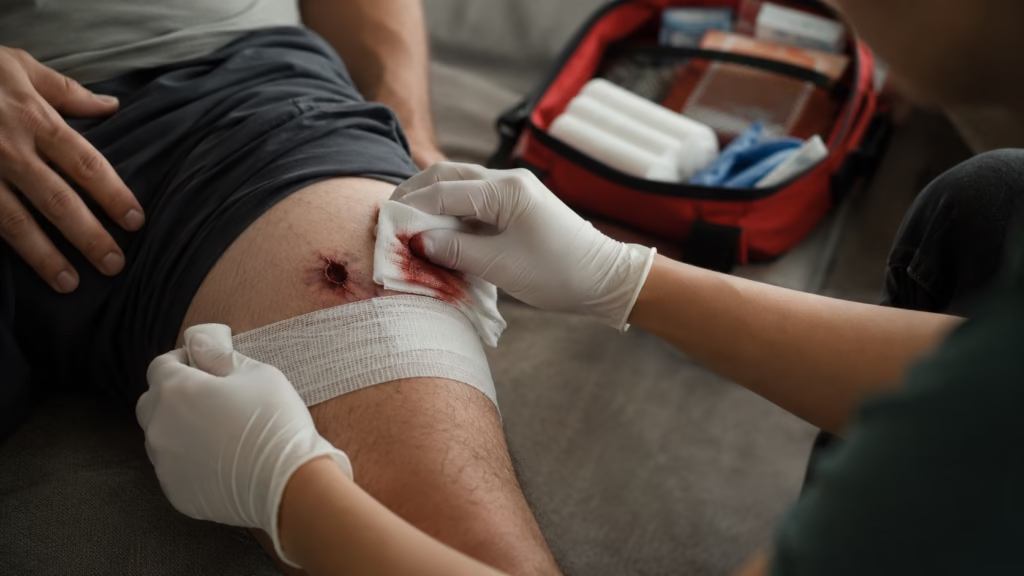
Controlling bleeding is the highest priority after ensuring safety and contacting emergency services. A clean cloth, sterile gauze, or any available fabric should be placed directly over the wound. Firm and continuous pressure helps compress damaged blood vessels and slow blood loss.
If the dressing becomes soaked with blood, it should not be removed because removing it may disrupt clot formation and restart bleeding. Instead, additional layers should be placed on top while maintaining pressure.
Pressure Bandages
Once bleeding begins to slow, a snug bandage may be wrapped around the dressing to help maintain consistent pressure. Care must be taken to avoid wrapping too tightly, as this may impair circulation to the surrounding tissues. Checking for warmth, skin color, or pulse beyond the injured area can help assess circulation.
Tourniquet Use
Tourniquets should only be considered in situations involving severe, uncontrolled bleeding from a limb when direct pressure fails. The device should be applied above the wound, avoiding placement directly over joints. It must be tightened enough to stop bleeding completely.
Because improper use can damage nerves and tissues, tourniquets should be regarded as a last resort in life threatening situations. Recording the time of application is important because prolonged use may increase the risk of complications.
Reducing Infection Risk
After bleeding is controlled, attention should shift toward reducing contamination around the wound. The skin surrounding the injury may be gently cleaned using mild soap and water or antiseptic wipes. However, the wound itself should not be aggressively cleaned or probed, as this can push contaminants deeper into tissues and worsen damage.
A sterile dressing should then be applied to cover the wound and reduce exposure to bacteria. Maintaining a clean barrier is important for minimizing infection risk until professional treatment is available.
Keeping a well supplied first aid kit at home is beneficial. Essential items include sterile gauze, adhesive bandages, antiseptic solutions, medical tape, and disposable gloves.
Monitoring for Shock
Individuals with gunshot wounds are at significant risk of developing shock due to blood loss and trauma. Recognizing the signs early is essential. Symptoms may include pale or clammy skin, rapid breathing, confusion, dizziness, weakness, nausea, or loss of consciousness.
If shock is suspected, the injured person should be positioned flat on their back unless breathing difficulties or injuries prevent this position. Elevating the legs slightly may help improve blood flow to vital organs if it does not cause pain or worsen injuries. Keeping the person warm with a blanket or jacket can also help maintain body temperature and circulation.
Providing reassurance is important because fear and anxiety may worsen physiological stress responses. Calm communication can help reduce panic and stabilize the individual emotionally.
Preparing for Emergency Medical Care
While waiting for emergency responders, it is helpful to observe and document changes in the injured person’s condition. Noting the time of injury, the treatments provided, and any changes in consciousness or breathing can assist healthcare professionals upon arrival.
Embedded bullets or fragments should never be removed outside a medical setting. Attempting removal can worsen bleeding and tissue damage. Medical professionals possess the appropriate equipment and expertise to manage these injuries safely.
Keeping the injured individual still and calm reduces unnecessary movement that could aggravate injuries or increase bleeding.
The Importance of First Aid Training
Basic first aid and cardiopulmonary resuscitation training can significantly improve preparedness for emergencies involving traumatic injuries. Certified courses provide practical skills for controlling bleeding, recognizing shock, and responding effectively under pressure. These skills may prove lifesaving in situations where professional help is delayed.
Preparedness also includes maintaining accessible emergency supplies and understanding local emergency response procedures.
Conclusion
Gunshot wounds constitute severe medical emergencies that require immediate professional care. However, the actions taken before emergency responders arrive can significantly influence survival and recovery outcomes. Rapid activation of emergency services, effective bleeding control, infection prevention, and careful monitoring for shock are critical first aid priorities.
Although first aid measures may temporarily stabilize the injured individual, they do not replace comprehensive medical treatment. Internal injuries, organ damage, and complications often require surgical intervention and advanced trauma care.
Remaining calm, acting quickly, and applying evidence based first aid principles can provide essential support during a critical period and may ultimately save a life.
Disclaimer
This article is for educational purposes only and does not replace professional medical advice, diagnosis, or treatment. Seizures, severe headache, confusion, visual changes, or blood pressure readings in the hypertensive crisis range require urgent medical evaluation.
Thank you! Your feedback helps us improve our articles.
True Impact Health articles are written by our editorial team and based on reliable sources such as public health agencies, clinical guidelines and peer-reviewed research. This article has not yet been medically reviewed. Read our editorial process.
This content is for general information and is not a substitute for professional medical advice, diagnosis or treatment.