Dog Pulmonary Hypertension: Understanding, Recognizing, and Managing This Serious Condition
Pulmonary hypertension in dogs is a clinically significant condition characterized by elevated blood pressure within the pulmonary circulation. Although less common than other cardiovascular disorders, it carries serious implications due to its progressive nature and its impact on both cardiac and respiratory function.
The condition primarily affects the pulmonary arteries and imposes increased strain on the right side of the heart, which can eventually lead to right-sided heart failure. Consequently, early recognition, accurate diagnosis, and structured management are essential for improving clinical outcomes and maintaining a satisfactory quality of life in affected dogs.
This article provides a comprehensive and detailed overview of canine pulmonary hypertension, including its causes, symptoms, diagnostic approaches, and treatment strategies.
Understanding Dog Pulmonary Hypertension
What Is Pulmonary Hypertension?
Pulmonary hypertension refers to an abnormal elevation in blood pressure within the pulmonary arteries, which are responsible for transporting blood from the heart to the lungs for oxygenation.
Under normal conditions, these vessels operate under relatively low pressure. However, when resistance within the pulmonary circulation increases, the right ventricle must exert greater force to pump blood through the lungs. Over time, this increased workload leads to structural and functional changes in the heart, including right ventricular enlargement and eventual failure.
Causes and Risk Factors
Pulmonary hypertension in dogs may occur as a primary condition with no identifiable cause, although this is relatively rare. More commonly, it develops secondary to underlying diseases that affect the heart, lungs, or vascular system.
Heartworm Disease
Heartworm infection is a leading cause, particularly in regions where the parasite is prevalent. The presence of worms within pulmonary arteries obstructs blood flow and triggers inflammation, increasing vascular resistance.
Chronic Respiratory Diseases
Conditions such as chronic bronchitis or pneumonia impair normal lung function and oxygen exchange. This can lead to constriction of pulmonary vessels and subsequent elevation in pressure.
Left-Sided Heart Disease
Diseases such as mitral valve insufficiency cause increased pressure in the left side of the heart, which can back up into the pulmonary circulation and contribute to pulmonary hypertension.
Heartworm-Associated Respiratory Disease (HARD)
This condition involves inflammatory reactions to immature heartworms, resulting in pulmonary damage and vascular changes.
Thromboembolism
Blood clots within pulmonary vessels obstruct circulation and increase resistance, thereby elevating pulmonary arterial pressure.
Breed Predisposition
Certain breeds, including West Highland White Terriers, Beagles, and Miniature Schnauzers, may have a higher predisposition due to genetic or anatomical factors.
Who Is at Risk?
Pulmonary hypertension is more commonly observed in middle-aged to older dogs, particularly those with pre-existing cardiac or respiratory conditions. Additionally, dogs living in regions with high heartworm prevalence and lacking preventive care are at increased risk.
Recognizing Symptoms Early
Pulmonary hypertension often develops gradually, and early clinical signs may be subtle or easily overlooked.
Exercise Intolerance
Affected dogs may exhibit reluctance to engage in physical activity or become easily fatigued during exercise due to reduced oxygen delivery.
Persistent Cough
Chronic coughing or abnormal breathing sounds may indicate underlying respiratory involvement.
Rapid Breathing
Increased respiratory rate at rest reflects compromised pulmonary function and reduced oxygenation.
Lethargy and Weakness
Reduced cardiac output and oxygen supply can lead to generalized weakness and decreased activity levels.
Syncope
Fainting episodes occur when the brain receives insufficient blood flow, often during exertion.
Ascites
Fluid accumulation in the abdomen is a sign of advanced disease and right-sided heart failure.
Prompt veterinary evaluation is essential when these symptoms are observed, as early intervention can significantly improve prognosis.
Diagnosing Pulmonary Hypertension
Physical Examination
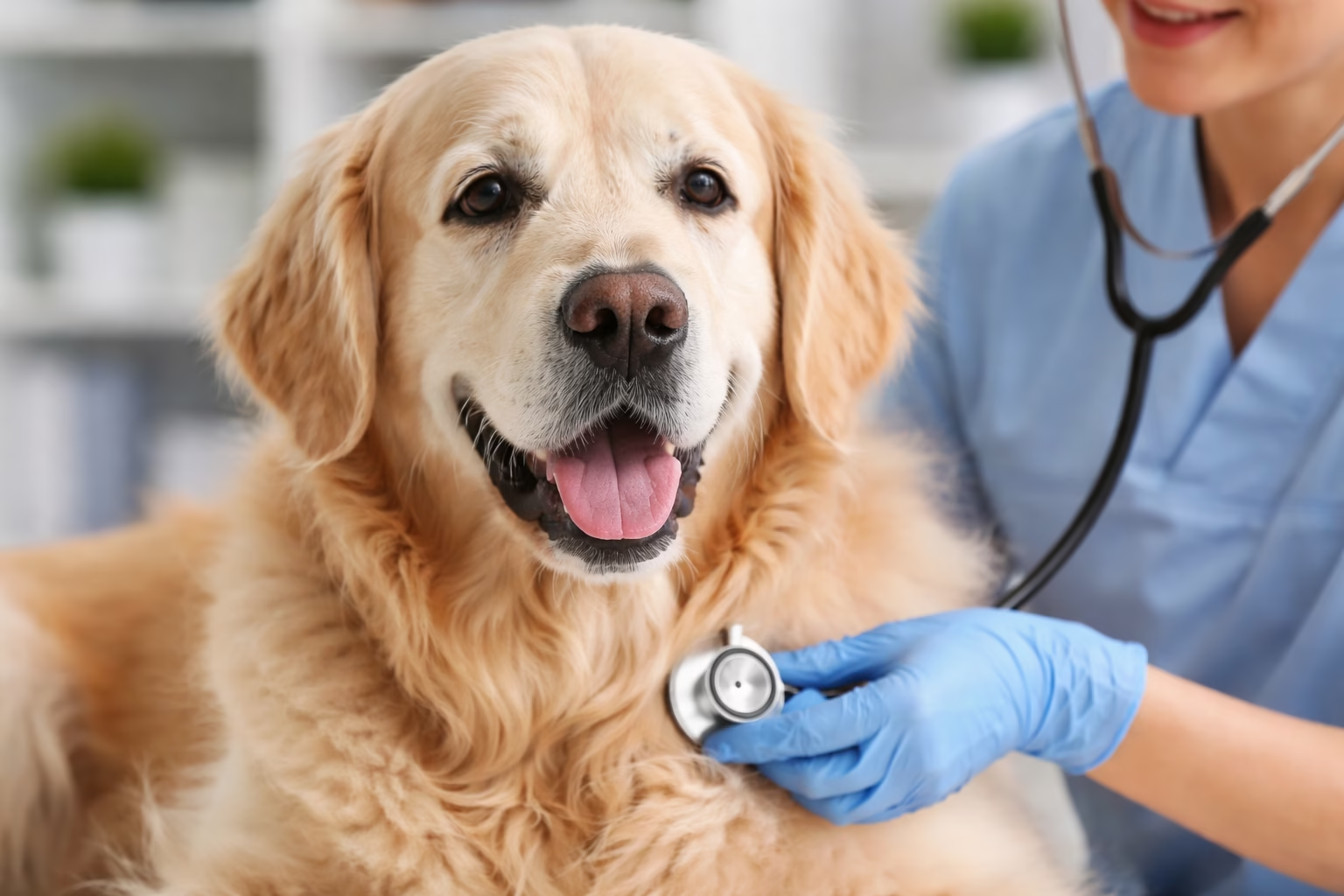
Veterinarians may detect abnormal heart sounds, including a loud or accentuated second heart sound, which reflects increased pressure in the pulmonary arteries. Examination of mucous membranes may reveal pallor or cyanosis, indicating reduced oxygenation.
Imaging and Laboratory Tests
Thoracic radiographs provide information about heart size and pulmonary vessel structure. Echocardiography is considered the primary diagnostic tool, as it allows for estimation of pulmonary artery pressure and assessment of cardiac function.
Blood tests are useful for identifying underlying conditions, while heartworm testing is essential in endemic regions.
Advanced Diagnostics
In specialized settings, cardiac catheterization may be used for direct measurement of pulmonary pressures. Biomarkers such as NT-proBNP can provide additional information regarding cardiac strain and disease severity.
Treatment Options and Management
Addressing the Underlying Cause
Effective management begins with identifying and treating the primary condition contributing to pulmonary hypertension. This may involve heartworm treatment protocols, management of respiratory infections, or therapy for left-sided heart disease.
Medications
Sildenafil
Sildenafil is a commonly used vasodilator that relaxes pulmonary blood vessels, reducing resistance and improving blood flow.
Pimobendan
This medication enhances cardiac contractility while also promoting vasodilation, thereby improving overall cardiac efficiency.
Diuretics
Diuretics such as furosemide are used to manage fluid accumulation, particularly in advanced stages of the disease.
Oxygen Therapy
In cases of acute respiratory distress, supplemental oxygen provides immediate support and improves tissue oxygenation.
Lifestyle and Home Care
Controlled Exercise
Moderate activity is beneficial, but strenuous exercise should be avoided to prevent excessive strain on the cardiovascular system.
Stress Reduction
A stable and calm environment minimizes physiological stress and supports overall health.
Nutritional Support
A balanced diet helps maintain optimal body condition, while weight management reduces the burden on both the heart and lungs.
Monitoring Progress and Prognosis
Regular Veterinary Check-Ups
Ongoing monitoring is essential to assess treatment effectiveness and disease progression. Periodic echocardiography allows for evaluation of pulmonary pressures and cardiac function.
Tracking clinical signs such as coughing frequency, activity levels, and appetite provides valuable insight into the dog’s condition.
Quality of Life Considerations
With appropriate management, many dogs can maintain a reasonable quality of life for extended periods. However, as the disease progresses, discussions regarding comfort, supportive care, and humane end-of-life decisions may become necessary.
Preventive Strategies
Heartworm Prevention
Consistent use of preventive medications significantly reduces the risk of heartworm-related pulmonary hypertension.
Routine Veterinary Care
Regular health examinations facilitate early detection of cardiac or respiratory abnormalities.
Infection Control
Vaccinations and parasite management help reduce the incidence of respiratory infections that may contribute to disease development.
Early Intervention
Prompt veterinary consultation at the onset of symptoms improves the likelihood of effective management and better outcomes.
Conclusion
Pulmonary hypertension in dogs is a complex and potentially life-threatening condition that requires a comprehensive and proactive approach to care. Through early recognition, accurate diagnosis, and targeted treatment, it is possible to slow disease progression and improve quality of life.
Furthermore, preventive measures and regular veterinary monitoring play a critical role in reducing risk and ensuring timely intervention. By remaining attentive to changes in your dog’s health and collaborating closely with veterinary professionals, you can provide the support necessary to manage this challenging condition effectively.