Liposuction is one of the most widely performed cosmetic surgical procedures, designed to remove localized fat deposits and improve body contour. Although...
Liposuction is one of the most widely performed cosmetic surgical procedures, designed to remove localized fat deposits and improve body contour. Although many patients recover without significant complications, some individuals experience nerve related discomfort during the healing process. Symptoms such as tingling, burning sensations, numbness, or sharp shooting pain can cause concern and may interfere with daily activities and emotional well being.
Key takeaways
Use cold packs first 48 hours, then warm compresses; take NSAIDs or topical lidocaine as advised; do gentle walking, avoid heavy exertion.
See a clinician if persistent pain; prescription neuropathic agents, physical therapy, nerve gliding, or targeted injections may reduce nerve irritation and improve function.
Support healing with B vitamins, omega 3s, hydration, stress management; consult surgeon for worsening pain, signs of infection, or neurological deficits.
Post-liposuction nerve pain is usually temporary and often improves gradually as tissues heal. However, understanding why it occurs and how to manage it effectively is essential for promoting recovery and minimizing discomfort. A combination of appropriate home care, medical treatment, rehabilitation strategies, and lifestyle modifications can significantly improve healing outcomes.
Understanding Nerve Pain After Liposuction
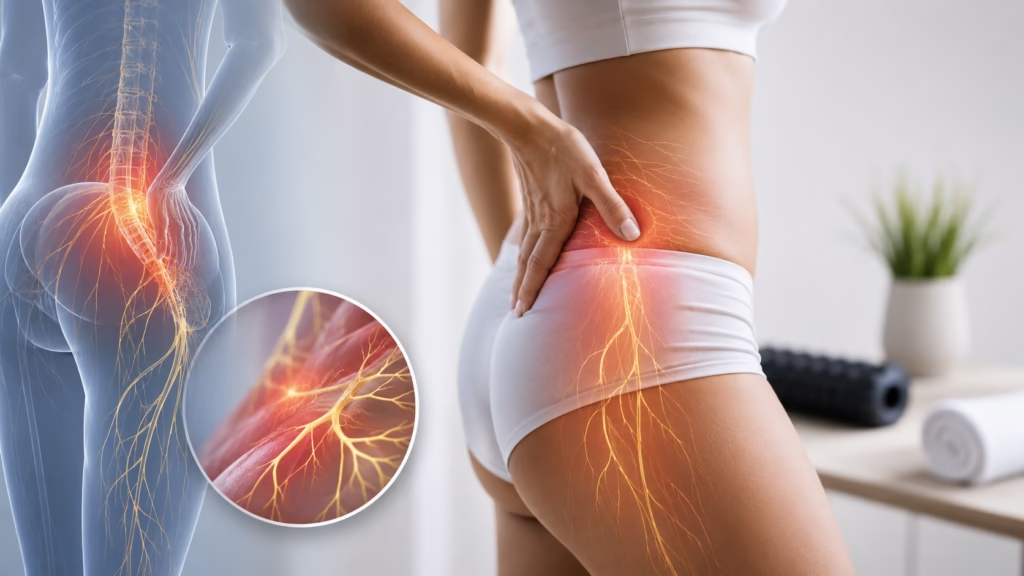
Nerve pain, also referred to as neuropathic pain, occurs when nerves become irritated, compressed, stretched, or injured. Unlike ordinary soreness associated with surgery, neuropathic pain originates from disturbances within the nervous system itself. This type of pain may produce unusual sensations such as burning, tingling, electric shock like discomfort, or numbness.
During liposuction, thin surgical instruments called cannulas are inserted beneath the skin to break up and remove fat deposits. Although surgeons aim to minimize tissue trauma, the procedure can inadvertently affect small sensory nerves located within the fatty tissue. Minor nerve irritation is relatively common and usually resolves over time as the tissues regenerate.
Inflammation and swelling following surgery may also place pressure on nearby nerves, intensifying discomfort during the early stages of recovery. Additionally, the formation of scar tissue during healing can occasionally trap or irritate nerve endings, prolonging symptoms in some patients.
Recognizing the Symptoms
Identifying nerve related symptoms early allows patients to respond appropriately and seek medical evaluation when necessary.
Common symptoms include persistent tingling sensations often described as pins and needles, burning or warm feelings beneath the skin, sharp or shooting pain, and localized numbness. Some individuals may also notice areas of reduced sensitivity or altered sensation around the treated region.
While mild nerve symptoms are often part of the normal healing process, certain signs require closer attention. Pain that progressively worsens rather than improves may indicate ongoing nerve irritation or another complication. Symptoms such as redness, fever, unusual drainage, or increasing warmth around the surgical site could suggest infection. Loss of muscle control or spreading numbness may indicate more significant nerve involvement and should be evaluated promptly by a healthcare professional.
Immediate At-Home Treatment Strategies
Conservative home management is often effective for mild to moderate nerve discomfort after liposuction.
Cold therapy is particularly useful during the first forty eight hours following surgery because it helps reduce inflammation and swelling that may compress nerves. Applying a cold compress wrapped in a cloth for short intervals can provide temporary relief. After the initial swelling phase subsides, warm compresses may become more beneficial by improving circulation and relaxing surrounding tissues. Enhanced blood flow supports nutrient delivery and tissue repair.
Over the counter medications such as nonsteroidal anti inflammatory drugs may help reduce pain and inflammation. Topical preparations containing menthol or lidocaine can provide localized relief by temporarily numbing irritated areas. However, medications should always be used according to medical guidance, particularly following surgery.
Gentle movement is another important component of recovery. Light walking improves circulation, reduces stiffness, and helps prevent complications associated with prolonged inactivity. At the same time, strenuous exercise and heavy lifting should be avoided until the surgeon confirms that tissues have healed sufficiently. Excessive physical strain may worsen inflammation and delay nerve recovery.
Professional Medical Treatments
When symptoms persist or significantly affect daily functioning, professional medical intervention may be necessary.
Prescription medications specifically designed for neuropathic pain are commonly used in cases where standard pain relievers are ineffective. Medications such as gabapentin or pregabalin work by stabilizing nerve activity and reducing abnormal pain signaling. Certain antidepressants may also be prescribed at low doses because they influence neurotransmitters involved in pain perception.
Physical therapy can play an important role in recovery, particularly when scar tissue contributes to nerve irritation. Therapists may use specialized stretching techniques and nerve gliding exercises to improve mobility and reduce tension around affected nerves. Manual therapy approaches can also enhance circulation and reduce tissue tightness.
In more persistent cases, targeted procedures such as nerve blocks or corticosteroid injections may provide temporary relief by reducing inflammation and interrupting pain transmission pathways. Advanced treatments such as radiofrequency procedures may occasionally be considered for chronic pain that does not respond to conservative therapies.
Emerging therapies including low level laser treatment and therapeutic ultrasound are also being explored for their potential to support tissue repair, reduce inflammation, and stimulate nerve regeneration. These approaches may complement traditional medical management in selected patients.
Nutrition and Lifestyle Support for Nerve Healing
Lifestyle factors significantly influence the body’s ability to recover from nerve irritation and tissue injury.
Nutrition is especially important because nerve regeneration requires adequate vitamins, minerals, and healthy fats. B vitamins, particularly vitamins B1, B6, and B12, support nerve function and repair mechanisms. Omega three fatty acids found in fish oil and certain plant sources possess anti inflammatory properties that may reduce tissue irritation. Antioxidant rich foods such as berries, leafy vegetables, and nuts help combat oxidative stress associated with healing processes.
Hydration also contributes to recovery by supporting circulation and nutrient transport. Maintaining adequate fluid intake ensures that tissues receive the oxygen and nutrients required for regeneration.
Stress management is another essential consideration because chronic stress can heighten pain sensitivity and impair healing. Relaxation techniques such as meditation, breathing exercises, and guided imagery may help regulate stress responses and improve overall comfort.
Complementary Therapies
Complementary approaches may provide additional symptom relief when integrated appropriately with conventional medical care.
Acupuncture has been explored as a method of improving circulation and modulating nerve signaling pathways. Some individuals report reduced pain intensity and improved relaxation following treatment.
Medical massage performed by trained professionals may help soften scar tissue and relieve pressure on irritated nerves. However, massage should only be initiated after surgical clearance to avoid disrupting healing tissues.
Biofeedback techniques may also assist patients in developing greater awareness of muscle tension and stress related responses that contribute to pain perception.
When to Consult a Surgeon or Specialist
Although many cases of nerve pain improve gradually, certain situations require medical evaluation. Persistent or worsening pain beyond the expected recovery period should not be ignored. Similarly, symptoms suggesting infection or progressive neurological impairment require immediate attention.
Patients should maintain open communication with their surgeon throughout recovery. Questions regarding expected healing timelines, rehabilitation strategies, and additional treatment options can help clarify concerns and ensure appropriate management. Early intervention often prevents minor complications from becoming more serious.
Long-Term Outlook and Recovery Expectations
Most post-liposuction nerve symptoms improve over time as inflammation decreases and nerve tissues regenerate. Sensory nerves possess a limited capacity for healing, and gradual improvement may continue over weeks or months. Recovery timelines vary depending on the extent of tissue trauma, individual healing capacity, and adherence to postoperative care recommendations.
Patience is therefore essential during recovery. Attempting to accelerate healing through excessive activity or unapproved treatments may increase the risk of prolonged symptoms. A balanced approach emphasizing rest, gradual rehabilitation, and consistent medical follow up provides the best environment for recovery.
Conclusion
Nerve pain following liposuction can be distressing, but it is often a temporary aspect of the healing process. Understanding the mechanisms behind neuropathic symptoms allows patients to approach recovery with greater confidence and realistic expectations.
Effective management involves a combination of conservative home care, medical treatment when necessary, supportive nutrition, rehabilitation strategies, and lifestyle modifications. Close collaboration with healthcare providers ensures that complications are identified early and treated appropriately.
With patience, careful monitoring, and comprehensive care, most individuals experience progressive improvement and are able to return to normal activities with restored comfort and confidence.
Disclaimer
This article is for educational purposes only and does not replace professional medical advice, diagnosis, or treatment. Seizures, severe headache, confusion, visual changes, or blood pressure readings in the hypertensive crisis range require urgent medical evaluation.
Thank you! Your feedback helps us improve our articles.
True Impact Health articles are written by our editorial team and based on reliable sources such as public health agencies, clinical guidelines and peer-reviewed research. This article has not yet been medically reviewed. Read our editorial process.
This content is for general information and is not a substitute for professional medical advice, diagnosis or treatment.