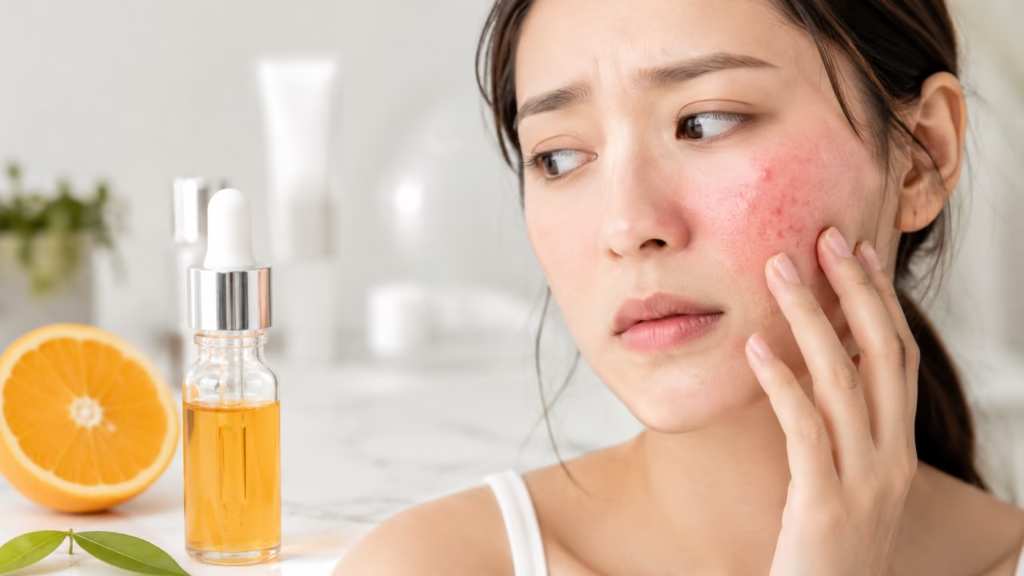
Vitamin C is widely regarded as one of the most effective ingredients in modern skincare due to its antioxidant, brightening, and collagen supporting...
Vitamin C is widely regarded as one of the most effective ingredients in modern skincare due to its antioxidant, brightening, and collagen supporting properties. It is commonly used to reduce hyperpigmentation, improve skin texture, and protect against environmental damage caused by ultraviolet radiation and pollution. However, despite its numerous benefits, vitamin C can also cause irritation in certain individuals, particularly when used incorrectly or in highly concentrated formulations.
Key takeaways
Stop product immediately, rinse with lukewarm water, avoid harsh cleansers.
Soothe inflammation with aloe vera or cold compresses and apply fragrance free, gentle moisturizer.
Rebuild barrier using ceramides, hyaluronic acid, panthenol, and niacinamide.
Reintroduce vitamin C gradually at lower concentrations or use stable derivatives and patch test first.
Consult a dermatologist if irritation persists beyond seven to ten days or with severe swelling, blistering, or intense itching.
Skin irritation associated with vitamin C products may present as redness, burning sensations, dryness, or peeling. These reactions often occur when the skin barrier becomes compromised or when the formulation is too strong for an individual’s skin tolerance. Understanding the causes of irritation and implementing appropriate treatment strategies are essential for restoring skin health and preventing further damage.
Why Vitamin C Causes Skin Irritation
Vitamin C, particularly in the form of ascorbic acid, is naturally acidic. This acidity enhances penetration into the skin and increases effectiveness, but it may also disrupt the protective skin barrier in sensitive individuals.
One common cause of irritation is the use of highly concentrated formulations. Products containing vitamin C concentrations above fifteen to twenty percent may overwhelm the skin, especially in individuals with sensitive or reactive skin types. While higher concentrations may appear more effective, they also increase the likelihood of inflammation and barrier disruption.
Low pH levels contribute significantly to irritation. Many vitamin C serums are formulated at a pH below 3.5 to improve absorption. However, this level of acidity may trigger burning, stinging, or redness, particularly when the skin barrier is already weakened.
Product instability can also play a role. Oxidized or poorly formulated vitamin C products may contain degraded compounds that irritate the skin. Exposure to air, heat, and sunlight accelerates oxidation, reducing product efficacy while increasing the risk of adverse reactions.
Improper product layering further increases irritation potential. Combining vitamin C with retinoids, exfoliating acids, or harsh acne treatments may excessively stress the skin barrier, leading to inflammation and sensitivity.
Individuals with pre existing skin conditions such as eczema, rosacea, or dermatitis are particularly vulnerable because their skin barrier function is already compromised.
Recognizing the Signs of Vitamin C Irritation
Early identification of irritation is important because continued use of the product can worsen skin damage. Symptoms may develop within minutes or several hours after application.
Persistent redness or facial flushing is one of the most common signs. The skin may appear inflamed and unusually sensitive to touch or environmental factors.
Stinging, burning, or prickling sensations often indicate barrier disruption. Mild tingling may occasionally occur with active skincare ingredients, but prolonged discomfort suggests irritation rather than normal adjustment.
Dryness and peeling occur when the skin barrier loses moisture and becomes unable to retain hydration effectively. This may result in rough texture and visible flaking.
Some individuals also experience itching, tightness, or the development of small bumps and breakouts. These reactions may resemble allergic or inflammatory responses and should not be ignored.
The first step in managing irritation is to discontinue the offending product immediately. Continuing application while the skin is inflamed may worsen barrier damage and prolong recovery time.
The affected area should be gently rinsed with lukewarm water to remove any remaining product residue. Harsh scrubbing or the use of strong cleansers should be avoided because these actions can further irritate the skin. Instead, a mild fragrance free cleanser is recommended to maintain skin comfort.
Applying a soothing treatment can help calm inflammation. Aloe vera gel is commonly used due to its cooling and anti inflammatory properties. Cold compresses may also reduce redness and discomfort by constricting superficial blood vessels.
Restoring hydration is essential for repairing the skin barrier. Moisturizers containing ceramides, hyaluronic acid, or glycerin help replenish moisture and strengthen the protective lipid layer of the skin. Fragrance free formulations are preferable because fragrances may aggravate sensitive skin.
During the recovery period, all potentially irritating active ingredients should be avoided. Retinoids, exfoliating acids, benzoyl peroxide, and strong acne treatments can interfere with healing and increase inflammation.
Rebuilding the Skin Barrier
Once acute irritation subsides, attention should shift toward repairing and strengthening the skin barrier. A healthy skin barrier protects against moisture loss, environmental irritants, and microbial invasion.
Ceramides are particularly beneficial because they help restore the lipid structure of the outer skin layer. A deficiency in ceramides is associated with increased dryness and sensitivity, making supplementation through skincare highly valuable during recovery.
Hyaluronic acid supports hydration by attracting and retaining water within the skin. This ingredient improves skin elasticity and reduces feelings of tightness or discomfort.
Panthenol, also known as vitamin B5, possesses soothing and anti inflammatory properties that support tissue repair and reduce redness.
Niacinamide contributes to barrier restoration by enhancing ceramide production and reducing inflammation. It may also improve skin tolerance over time, making it particularly useful following irritation episodes.
Adjusting Your Vitamin C Routine
After the skin has fully recovered, vitamin C can often be reintroduced gradually with careful modifications to minimize the risk of recurrence.
Lower concentration products are generally better tolerated. Formulations containing five to ten percent vitamin C provide antioxidant benefits while reducing irritation potential.
Choosing more stable derivatives may also improve skin compatibility. Ingredients such as sodium ascorbyl phosphate or magnesium ascorbyl phosphate are less acidic than pure ascorbic acid and tend to be gentler on sensitive skin.
Products formulated at a slightly higher pH level, typically between 3.5 and 4.0, may reduce irritation while still providing efficacy.
Patch testing is strongly recommended before applying a new product to the entire face. Applying a small amount to the inner forearm or behind the ear for forty eight hours allows individuals to observe potential reactions before broader use.
Preventing Future Irritation
Preventive strategies are essential for maintaining long term skin health while benefiting from vitamin C treatments.
Gradual introduction is one of the most effective approaches. Applying vitamin C every other day initially allows the skin to adapt before increasing frequency.
Strategic layering of skincare products is equally important. Vitamin C should generally be applied after cleansing and before heavier creams or moisturizers. Simultaneous use with exfoliating acids or retinoids should be minimized unless specifically advised by a dermatologist.
Proper storage conditions help maintain product stability. Vitamin C formulations should be kept in cool, dark environments with tightly sealed packaging to prevent oxidation. Discoloration, particularly dark yellow or brown tones, may indicate degradation and reduced safety.
Seasonal changes and environmental conditions can alter skin sensitivity. During colder months or periods of increased dryness, reducing the frequency of vitamin C application may help prevent irritation.
When to Consult a Dermatologist
Professional medical evaluation is necessary when irritation persists despite appropriate home care. Symptoms lasting longer than seven to ten days may indicate allergic contact dermatitis or another underlying skin disorder requiring targeted treatment.
Severe swelling, blistering, intense itching, or widespread rash formation should prompt immediate consultation with a dermatologist. These symptoms may suggest a more serious inflammatory or allergic reaction.
Dermatologists can provide prescription barrier repair treatments, recommend safer alternative ingredients, and help identify skincare routines that are appropriate for individual skin types and conditions.
Conclusion
Vitamin C remains one of the most beneficial ingredients in skincare, offering antioxidant protection, improved skin brightness, and enhanced collagen production. However, its potency also means that improper use can lead to irritation, particularly in individuals with sensitive or compromised skin barriers.
Effective management of vitamin C irritation involves prompt discontinuation of the product, calming inflammation, restoring hydration, and rebuilding the skin barrier with supportive ingredients. Long term prevention depends on careful product selection, gradual introduction, proper storage, and attention to the skin’s changing needs.
With a thoughtful and individualized approach, most individuals can continue to benefit from vitamin C without significant irritation, ultimately achieving healthier and more resilient skin.
Disclaimer
This article is for educational purposes only and does not replace professional medical advice, diagnosis, or treatment. Seizures, severe headache, confusion, visual changes, or blood pressure readings in the hypertensive crisis range require urgent medical evaluation.
Thank you! Your feedback helps us improve our articles.
True Impact Health articles are written by our editorial team and based on reliable sources such as public health agencies, clinical guidelines and peer-reviewed research. This article has not yet been medically reviewed. Read our editorial process.
This content is for general information and is not a substitute for professional medical advice, diagnosis or treatment.