Introduction
Infectious diseases vary widely in severity, ranging from mild, self-limiting conditions to life threatening systemic illnesses. While many individuals recover fully, a substantial proportion experience persistent health consequences that extend beyond the acute phase of infection. These long-term effects, often referred to as post-infectious complications, can influence multiple physiological systems and significantly impair overall quality of life.
Understanding these outcomes is essential for both clinical practice and public health planning. Persistent symptoms may require ongoing medical care, reduce functional capacity, and impose economic and social burdens. A structured examination of the nature, mechanisms, and management of these long-term effects provides a foundation for improving patient outcomes and guiding healthcare interventions.
Defining Long-Term Effects of Infections
Post-infection sequelae refer to any health condition that arises during or after an infection and persists beyond the expected period of recovery. These effects may manifest weeks, months, or even years after the initial illness has resolved.
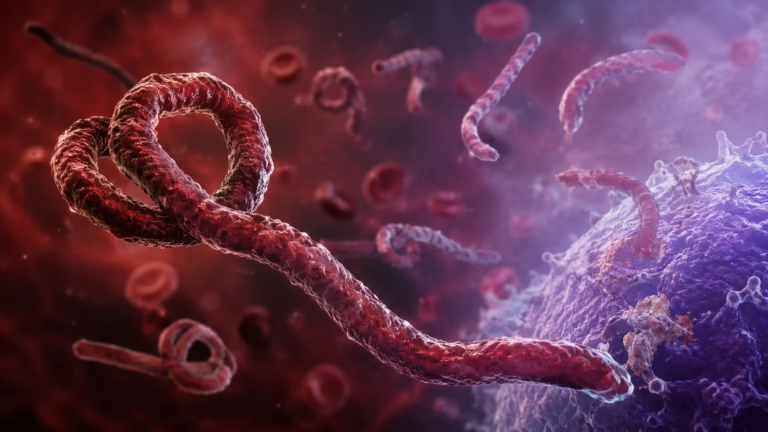
Such complications can result from direct damage caused by pathogens, including destruction of host tissues and disruption of normal organ function. Alternatively, they may arise from dysregulated immune responses, where the body continues to mount inflammatory or autoimmune reactions even after the infectious agent has been eliminated.
The importance of these conditions extends beyond individual health. From a public health perspective, long-term complications contribute to increased demand for healthcare services and long-term rehabilitation. Economically, they are associated with reduced productivity and increased medical expenditures. At the individual level, chronic symptoms such as fatigue, pain, and cognitive impairment can significantly diminish daily functioning and overall well-being.
Common Categories of Long-Term Effects
Long-term consequences of infections can be broadly categorized based on the systems they affect.
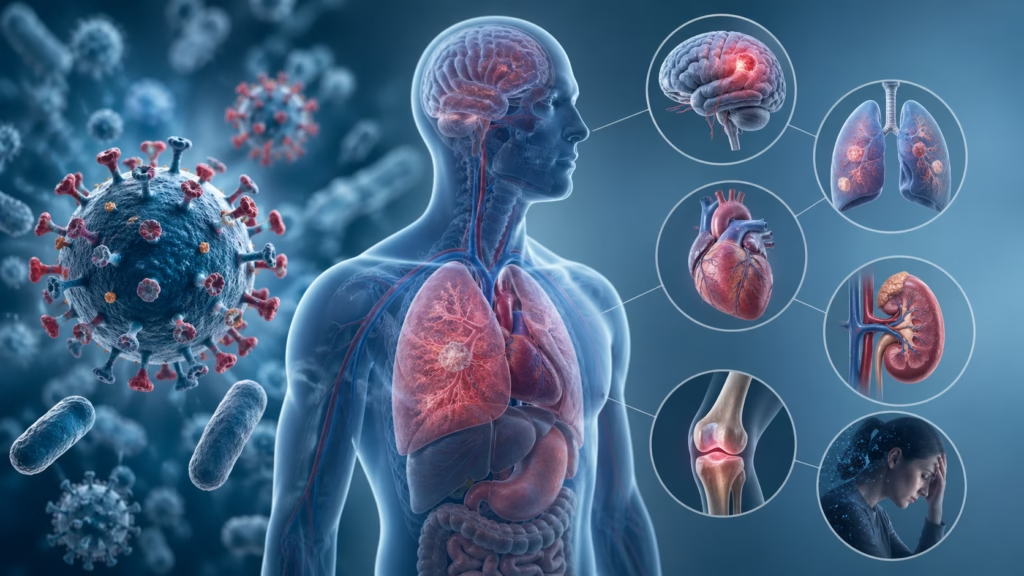
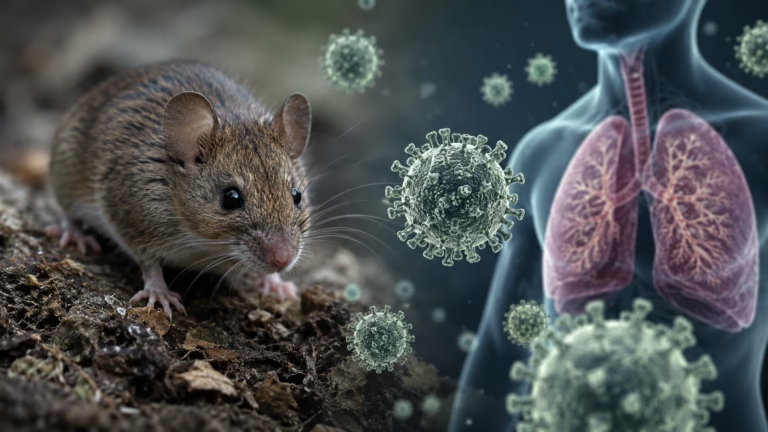
Organ specific damage is among the most direct outcomes. Certain pathogens target particular organs, leading to structural and functional impairment. For example, pulmonary infections may result in fibrosis, reducing lung capacity and impairing oxygen exchange. Cardiac involvement, such as myocarditis following viral infections, can weaken heart function. Renal complications may arise from immune mediated damage to kidney structures, affecting filtration processes.
Neurological and cognitive effects are also frequently observed. Infections that involve the central nervous system may lead to long lasting impairments, including memory deficits, seizures, or changes in behavior. Even in cases where the brain is not directly infected, systemic inflammation can affect cognitive function, leading to symptoms such as impaired concentration and mental fatigue.
Chronic fatigue and pain syndromes represent another significant category. These conditions are characterized by persistent exhaustion, reduced physical capacity, and widespread musculoskeletal discomfort. They are often associated with disruptions in energy metabolism, immune regulation, and neuroendocrine function.
Autoimmune and inflammatory disorders may develop when the immune system begins to target the body’s own tissues. This phenomenon can occur due to molecular mimicry, where similarities between pathogen components and host proteins lead to misdirected immune responses. The result may be conditions that resemble established autoimmune diseases, with symptoms affecting joints, nerves, or other systems.
Key Clinical Examples
Certain conditions illustrate the diverse and complex nature of post-infectious complications.
Long COVID has emerged as a prominent example in recent years. Individuals recovering from COVID-19 may experience persistent symptoms such as fatigue, cognitive impairment, respiratory difficulties, and musculoskeletal pain. These symptoms can occur regardless of the severity of the initial infection, indicating a multifactorial pathophysiology.
Lyme disease provides another well-documented case. Following treatment for the acute infection caused by Borrelia burgdorferi, some individuals continue to experience symptoms collectively referred to as post-treatment Lyme disease syndrome. These include joint pain, neurological disturbances, and cognitive challenges. The persistence of symptoms despite appropriate antibiotic therapy highlights the complexity of post-infectious processes.
Sepsis survivors frequently experience long-term complications known as post-sepsis syndrome. This condition involves physical weakness, cognitive impairment, and increased vulnerability to future infections. The systemic inflammatory response associated with sepsis can lead to widespread tissue damage and prolonged recovery periods.
Biological Mechanisms Underlying Chronic Effects
The development of long-term effects following infection involves several interconnected biological mechanisms.
Direct tissue injury occurs when pathogens damage host cells during the acute phase of infection. This damage may not fully resolve, leading to lasting structural changes and impaired function.
Persistent immune activation is another critical factor. Even after the pathogen has been cleared, inflammatory signals may continue to circulate, causing ongoing tissue irritation and dysfunction.
Autoimmune responses can arise when the immune system mistakenly identifies host tissues as foreign. This misrecognition leads to chronic inflammation and tissue damage, contributing to long-term disease states.
In some cases, microbial persistence may play a role. Although rare, certain pathogens may remain in the الجسم at low levels, continuing to stimulate immune responses and prolong symptoms.
Neuroendocrine disruption also contributes to chronic symptoms. Infection related stress can alter the regulation of hormonal systems, particularly those involved in stress responses and energy balance. These disruptions may underlie symptoms such as fatigue, mood changes, and reduced resilience to stress.
Prevention, Early Detection, and Management
Preventing long-term complications begins with reducing the incidence and severity of infections. Vaccination remains one of the most effective strategies, as it lowers the risk of infection and mitigates disease severity when infections occur. Early diagnosis and timely treatment further limit tissue damage and reduce the likelihood of chronic sequelae.
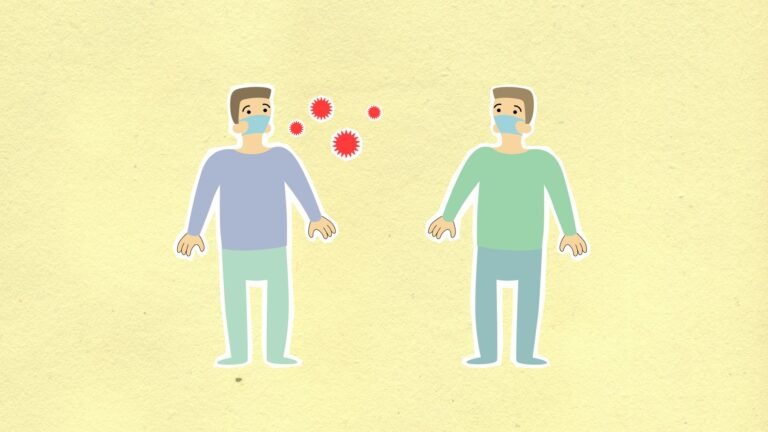
Public health measures, including hygiene practices, safe food handling, and vector control, contribute to lowering exposure to infectious agents. These interventions are essential at both individual and community levels.
Early detection of post-infectious complications requires systematic follow-up. Specialized clinics and structured monitoring programs allow healthcare providers to identify persistent symptoms and initiate appropriate interventions. Screening tools can assess fatigue, cognitive function, and mental health, facilitating early diagnosis.
Management strategies typically involve a multidisciplinary approach. Physical rehabilitation helps restore strength and mobility, while occupational therapy supports the return to daily activities. Cognitive rehabilitation may address memory and attention deficits.
Symptom based treatments are often necessary to manage pain, sleep disturbances, and other ongoing issues. Psychological support, including counseling and behavioral therapies, plays a vital role in addressing emotional and cognitive aspects of recovery. Lifestyle modifications, such as balanced nutrition, stress management, and paced physical activity, further support long-term health.
Conclusion
The long-term effects of infections represent a complex and evolving area of medical science. These complications can affect multiple systems, including the cardiovascular, neurological, immune, and psychological domains. Their impact extends beyond physical health, influencing social functioning and economic productivity.
Effective management requires a comprehensive approach that integrates prevention, early detection, and multidisciplinary care. Continued research is essential to better understand the underlying mechanisms and to develop targeted therapies.
Increased awareness among patients, caregivers, and healthcare professionals is critical for improving outcomes. By recognizing the potential for long-term complications and implementing appropriate strategies, it is possible to mitigate their impact and support individuals in achieving sustained recovery and improved quality of life.
Disclaimer
This article is for educational purposes only and does not replace professional medical advice, diagnosis, or treatment. Seizures, severe headache, confusion, visual changes, or blood pressure readings in the hypertensive crisis range require urgent medical evaluation.