Introduction
Accurate disease diagnosis is a cornerstone of effective healthcare delivery. It enables clinicians to identify the underlying causes of symptoms, initiate appropriate treatment, and prevent complications. In modern medical practice, diagnosis is no longer limited to observation and clinical intuition but involves a systematic integration of traditional examination techniques and advanced technological tools.
The diagnostic process is inherently multidisciplinary, combining clinical judgment with laboratory data, imaging findings, and increasingly, molecular and computational insights. A comprehensive understanding of these methods highlights how each contributes to improved patient outcomes and more precise, personalized care.
Clinical Assessment: Medical History and Physical Examination
The diagnostic process typically begins with clinical assessment, which remains one of the most essential components of medical practice. A detailed medical history provides critical contextual information that guides subsequent investigations.
The chief complaint identifies the primary reason for seeking care, while the history of present illness explores the progression, severity, and associated factors of the symptom. This includes understanding when symptoms began, how they have evolved, and what factors worsen or alleviate them. Past medical and surgical history offers insight into pre-existing conditions that may influence current health status. Family history helps identify genetic predispositions, while social history, including lifestyle habits such as smoking or alcohol consumption, provides information on environmental risk factors.
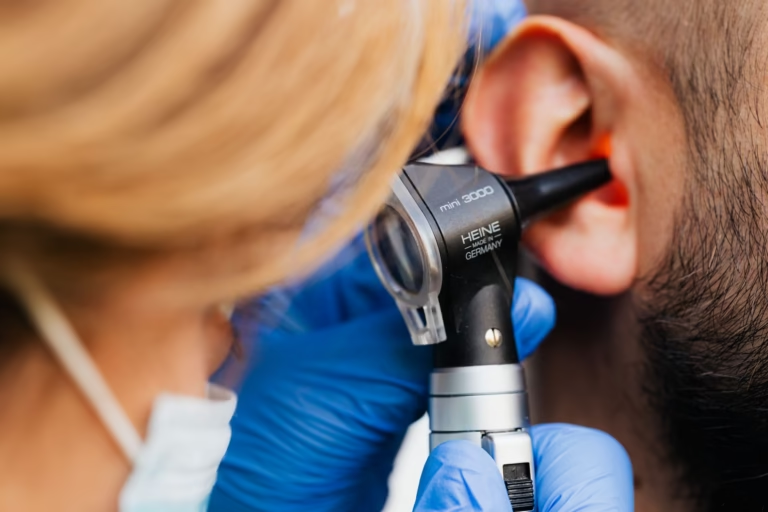
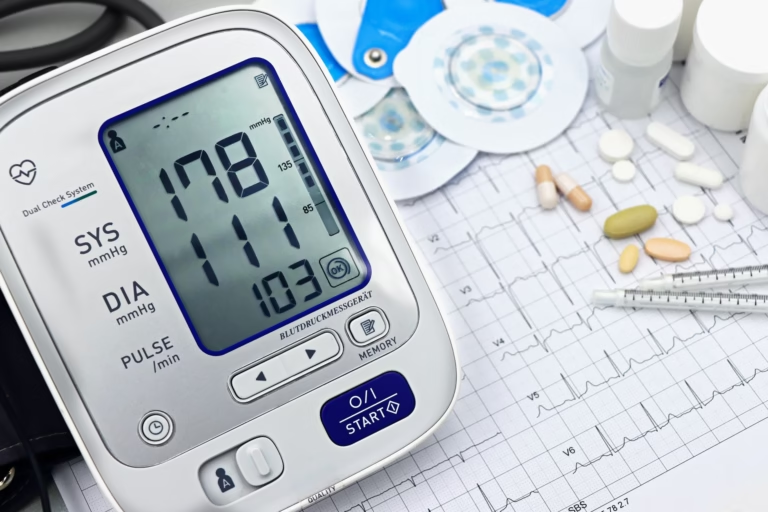
The physical examination complements the medical history by providing observable and measurable findings. Vital signs, including temperature, pulse, blood pressure, and respiratory rate, offer immediate indicators of physiological status. Systematic examination techniques such as inspection, palpation, percussion, and auscultation allow clinicians to assess different organ systems. For example, abnormal heart sounds may indicate valvular disease, while abdominal tenderness may suggest inflammation or infection.
Together, medical history and physical examination form the foundation upon which further diagnostic decisions are made.
Laboratory Testing
Laboratory investigations play a central role in confirming clinical suspicions and identifying underlying abnormalities that may not be evident during physical examination.
Blood tests are among the most commonly used diagnostic tools. A complete blood count provides information about red and white blood cells and platelets, which can indicate anemia, infection, or clotting disorders. Metabolic panels assess organ function by measuring electrolytes and biochemical markers related to liver and kidney activity. Serological tests detect antibodies or immune markers, which are useful in diagnosing infections and autoimmune conditions.
Analysis of bodily fluids offers additional diagnostic insights. Urinalysis can reveal infections, kidney disease, or metabolic disorders. Examination of cerebrospinal fluid is critical in diagnosing neurological conditions such as meningitis or multiple sclerosis. Other fluid analyses, including synovial or pleural fluid examination, help identify inflammatory or infectious processes in specific body compartments.
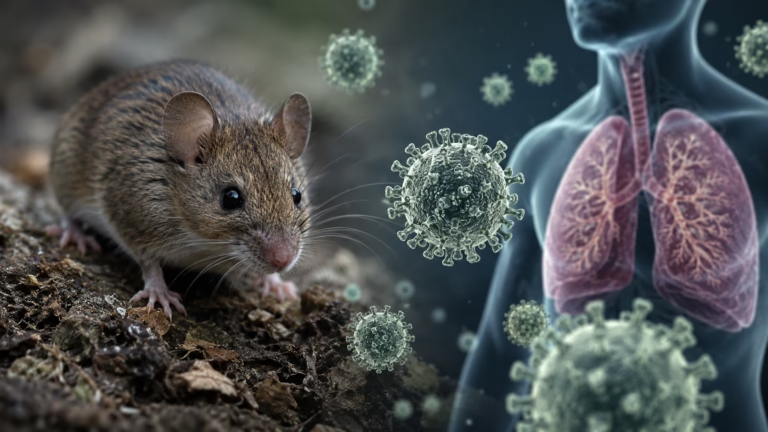
Molecular and microbiological testing has significantly enhanced diagnostic accuracy. Techniques such as polymerase chain reaction allow for the rapid detection of genetic material from pathogens, enabling early diagnosis of infectious diseases. Culture and sensitivity testing identify specific microorganisms and determine appropriate antimicrobial treatments. Advanced sequencing technologies provide detailed information on genetic variations and microbial profiles, supporting both infectious disease diagnosis and genetic analysis.
Medical Imaging Techniques
Imaging modalities enable visualization of internal structures, facilitating the detection of structural abnormalities and disease processes.
X-ray imaging is widely used for evaluating bone fractures and certain lung conditions. Computed tomography provides detailed cross sectional images that are particularly useful in trauma assessment, cancer staging, and vascular evaluation. Magnetic resonance imaging offers superior soft tissue contrast, making it valuable for assessing the brain, spinal cord, and joints.
Ultrasound provides real time imaging and is commonly used in obstetrics, abdominal assessments, and vascular studies. Nuclear medicine techniques, including positron emission tomography and single photon emission computed tomography, assess metabolic activity and are particularly useful in oncology and cardiology.
These imaging methods complement clinical and laboratory findings by providing visual confirmation of disease processes.
Minimally Invasive Diagnostic Procedures
When noninvasive methods are insufficient, minimally invasive procedures allow for direct examination and sampling of tissues.
Endoscopic techniques enable visualization of internal organs such as the gastrointestinal tract or respiratory system. These procedures allow clinicians to identify abnormalities and, in some cases, perform therapeutic interventions.
Biopsy and cytological analysis provide definitive diagnostic information by examining tissue samples under a microscope. These methods are essential for diagnosing cancers and other pathological conditions. Fine needle aspiration is a less invasive technique used to sample cells from structures such as lymph nodes or thyroid nodules.
Electrophysiological studies assess the electrical activity of organs and tissues. Electrocardiography evaluates heart rhythm, electroencephalography measures brain activity, and electromyography assesses muscle and nerve function. These tests are critical for diagnosing conditions related to electrical conduction abnormalities.
Genetic and Molecular Diagnostics
Advances in genetics have transformed diagnostic medicine by enabling the identification of inherited and acquired genetic variations.
Germline genetic testing identifies inherited mutations that may predispose individuals to certain diseases. This information is valuable for early detection and preventive care. Somatic mutation profiling focuses on genetic changes that occur in specific tissues, such as tumors, and is widely used in oncology to guide targeted therapies.
Pharmacogenomics examines how genetic variations influence drug metabolism and response. This approach allows clinicians to tailor treatments to individual patients, improving efficacy and reducing adverse effects.
Rapid and Point of Care Testing
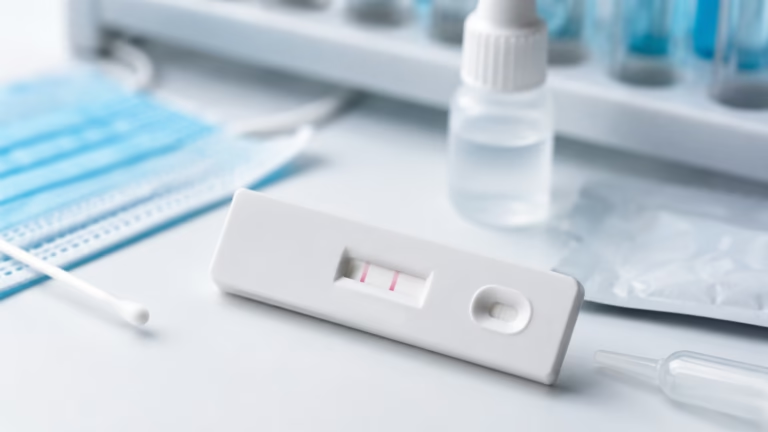
Point of care testing has improved the accessibility and speed of diagnostic processes. These tests are designed to provide immediate results, often at the bedside or in non clinical settings.
Examples include rapid antigen tests for infectious diseases, portable devices for monitoring blood glucose levels, and handheld imaging tools. These technologies enable timely decision making, particularly in emergency or resource limited environments.
Artificial Intelligence and Digital Health
Technological advancements have introduced artificial intelligence and machine learning into diagnostic practice. These tools analyze large datasets to identify patterns that may not be readily apparent to human observers.
AI assisted imaging enhances the detection of abnormalities in radiological studies, improving diagnostic accuracy and efficiency. Predictive analytics uses patient data to assess risk and guide preventive strategies. Telemedicine platforms facilitate remote consultations and monitoring, expanding access to healthcare services.
These innovations represent a shift toward data driven and patient centered diagnostic approaches.
Emerging Trends and Future Directions
The future of disease diagnosis is characterized by increasing integration of advanced technologies and personalized medicine.
Liquid biopsy techniques allow for the detection of disease markers in blood samples, offering a less invasive alternative to traditional tissue biopsies. Multi omics approaches integrate data from genomics, proteomics, and metabolomics to provide a comprehensive view of disease processes.
Digital biomarkers, derived from wearable devices and mobile applications, enable continuous monitoring of physiological parameters such as heart rate, activity levels, and sleep patterns. These tools support early detection and ongoing management of chronic conditions.
Conclusion
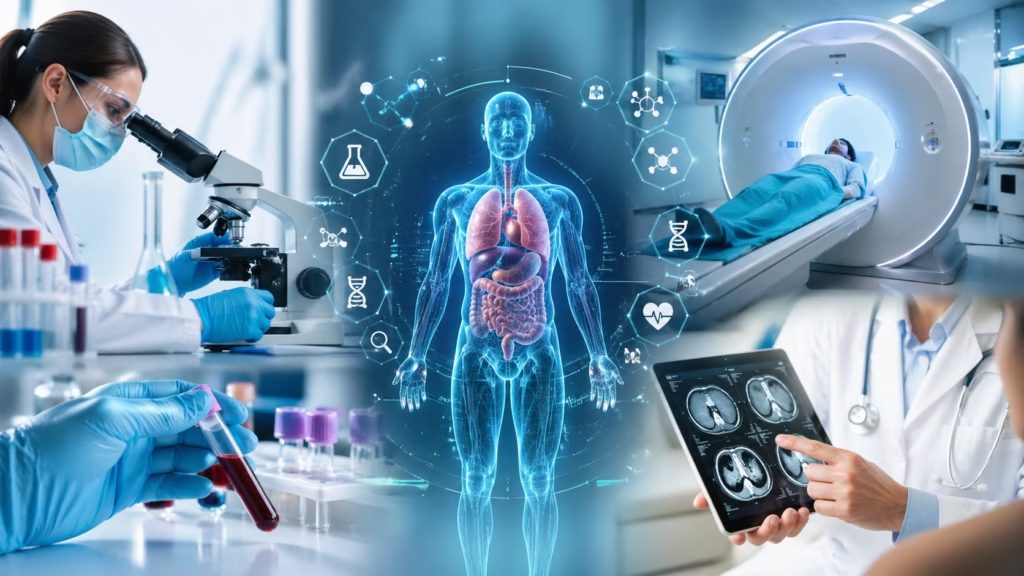
Disease diagnosis is a complex and evolving process that combines traditional clinical methods with advanced technological innovations. The integration of medical history, physical examination, laboratory testing, imaging, and molecular diagnostics allows for accurate identification of disease and tailored treatment strategies.
As healthcare continues to advance, the incorporation of artificial intelligence, digital health tools, and personalized medicine will further enhance diagnostic precision and efficiency. A comprehensive understanding of these methods is essential for healthcare professionals and patients alike, as it underpins effective clinical decision making and improved health outcomes.
Disclaimer
This article is for educational purposes only and does not replace professional medical advice, diagnosis, or treatment. Seizures, severe headache, confusion, visual changes, or blood pressure readings in the hypertensive crisis range require urgent medical evaluation.