Pregnancy and Infections: Protecting You and Your Baby
Introduction
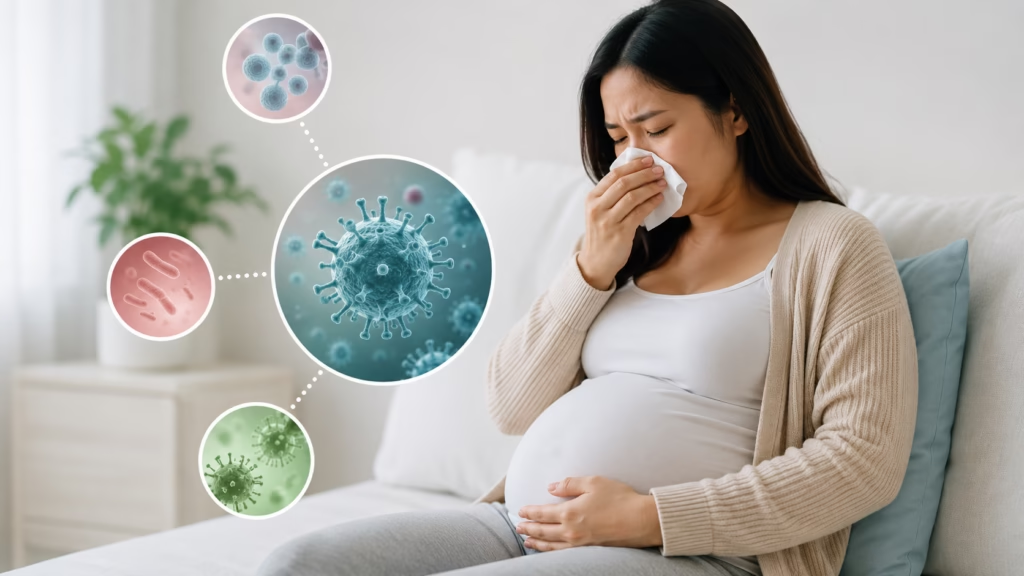
Pregnancy is a period of profound physiological transformation during which the maternal body adapts to support fetal growth and development. These adaptations involve hormonal, cardiovascular, metabolic, and immunological changes that are essential for maintaining pregnancy. However, some of these changes also increase susceptibility to certain infections and may alter the severity of infectious diseases.
Key takeaways
Pregnancy increases infection risks; some pathogens can cross the placenta, causing miscarriage, congenital defects, preterm birth, or fetal growth impairment.
Vaccination (influenza, Tdap, COVID-19) is recommended and safe during pregnancy, protecting both mother and newborn via maternal and passive infant immunity.
Food safety and hygiene prevent listeriosis, toxoplasmosis, and other infections: avoid unpasteurized foods, undercooked meat, practice handwashing and careful handling of cat litter.
Routine screening and prompt treatment reduce newborn infection risk: Group B Streptococcus screening and intrapartum antibiotics, and treating urinary tract infections early.
Seek urgent care for high fever, severe abdominal pain, bleeding, fluid leakage, visual changes, fainting, or reduced fetal movement.
Infections during pregnancy are clinically significant because they can affect both maternal health and fetal development. Some pathogens may cross the placental barrier, potentially leading to complications such as miscarriage, congenital abnormalities, preterm birth, or impaired fetal growth. Consequently, understanding infection risks, preventive strategies, and early warning signs is essential for ensuring a healthy pregnancy outcome.
Why Pregnant Women Are More Vulnerable to Infections
Pregnancy influences immune function in a highly regulated manner. The maternal immune system undergoes modulation to tolerate the developing fetus, which contains genetic material from both parents. This immunological adjustment prevents rejection of the fetus but may also reduce resistance to certain viral, bacterial, and parasitic infections.
Physiological changes further contribute to increased vulnerability. Expanded blood volume and hormonal fluctuations affect multiple organ systems, including the urinary tract and respiratory system. For example, hormonal effects on the urinary tract can slow urine flow, increasing the likelihood of urinary tract infections. Respiratory changes, including reduced lung capacity due to uterine enlargement, may increase susceptibility to severe respiratory illness.
Another important factor is the placental connection between mother and fetus. While the placenta serves as a protective barrier, some pathogens can cross it and directly affect fetal tissues. This transmission may interfere with organ development or compromise pregnancy viability.
Viral Infections During Pregnancy
Influenza
Influenza represents a significant concern during pregnancy because pregnant women are at increased risk of severe illness and hospitalization. Physiological changes in lung function and immune response contribute to this increased vulnerability. Influenza infection during pregnancy may also increase the risk of complications such as preterm labor.
Vaccination remains the most effective preventive strategy. The inactivated influenza vaccine is considered safe during pregnancy and can be administered during any trimester. In addition to protecting the mother, vaccination provides passive immunity to the newborn during the early months of life.
COVID-19
COVID-19 has demonstrated the importance of infection prevention during pregnancy. Pregnant individuals infected with the virus may face increased risks of severe respiratory illness, hospitalization, and adverse pregnancy outcomes, including preterm birth and stillbirth.
Vaccination with approved vaccines is strongly recommended because it reduces the risk of severe disease and provides protective antibodies that may benefit the infant after birth. Preventive measures such as hand hygiene, avoiding exposure to infected individuals, and seeking prompt medical attention for symptoms remain important.
Rubella
Rubella infection during early pregnancy is associated with severe fetal complications collectively known as congenital rubella syndrome. These complications may include hearing impairment, cardiac defects, and developmental abnormalities.
Prevention relies primarily on vaccination before pregnancy. Because the vaccine contains live attenuated virus, it is not administered during pregnancy. Therefore, assessing immunity before conception is an important aspect of prenatal planning.
Cytomegalovirus and Parvovirus B19
Cytomegalovirus and parvovirus B19 can also affect fetal development. Cytomegalovirus is associated with hearing loss and developmental delays, while parvovirus B19 may lead to fetal anemia and complications related to impaired red blood cell production.
Frequent handwashing and minimizing exposure to infected bodily fluids, particularly around young children, help reduce transmission risk.
Bacterial Infections During Pregnancy
Listeriosis
Listeriosis is caused by Listeria monocytogenes, a bacterium commonly associated with contaminated food products such as unpasteurized dairy and improperly processed meats. Pregnant individuals are particularly susceptible because of altered immune responses.
The infection may lead to miscarriage, stillbirth, preterm delivery, or severe neonatal infection. Prevention focuses on food safety measures, including avoiding unpasteurized products and ensuring that ready to eat meats are thoroughly heated before consumption.
Group B Streptococcus
Group B Streptococcus is commonly present in the gastrointestinal or genital tract without causing symptoms in the mother. However, it can be transmitted to the newborn during delivery, potentially causing severe infections such as pneumonia, meningitis, or sepsis.
Routine screening during late pregnancy allows healthcare providers to identify carriers. Intravenous antibiotics administered during labor significantly reduce the risk of neonatal infection.
Urinary Tract Infections
Urinary tract infections are among the most common bacterial infections during pregnancy. Hormonal and anatomical changes increase susceptibility by promoting urinary retention and bacterial growth.
Symptoms may include painful urination, frequent urination, and lower abdominal discomfort. Prompt treatment is essential because untreated infections can progress to kidney infection and may contribute to preterm labor.
Toxoplasmosis is caused by the parasite Toxoplasma gondii and may be acquired through exposure to contaminated soil, undercooked meat, or cat feces. Infection during pregnancy can lead to serious fetal complications affecting the eyes, brain, and nervous system.
Preventive strategies include proper food preparation, avoiding raw or undercooked meat, and using gloves during gardening or when handling potentially contaminated materials.
Malaria
Malaria remains a major concern in regions where transmission is common. Pregnant individuals are at increased risk of severe disease due to changes in immune function and circulation. Malaria can cause maternal anemia, fetal growth restriction, and pregnancy loss.
Preventive measures include avoiding travel to high risk areas when possible, using insecticide treated bed nets, and taking recommended prophylactic medications under medical supervision.
Vulvovaginal Candidiasis
Yeast infections are common during pregnancy because hormonal changes can alter the vaginal environment. Symptoms include itching, irritation, and thick white discharge.
Topical antifungal treatments are generally considered safe and effective during pregnancy, while systemic medications are used cautiously.
Recognizing Symptoms and Seeking Diagnosis
Early recognition of infection symptoms is critical because prompt diagnosis and treatment reduce the risk of complications. Symptoms warranting medical evaluation include high fever, persistent cough, severe headache, painful urination, unusual vaginal discharge, abdominal pain, or bleeding.
Healthcare providers may use blood tests, urine cultures, vaginal swabs, or imaging studies to identify the cause of infection and assess fetal well being. Accurate diagnosis ensures that appropriate and safe treatment strategies are selected.
Prevention Strategies During Pregnancy
Preventive healthcare is essential during pregnancy because many infections can be avoided through simple yet effective measures.
Vaccination is one of the most important strategies. Recommended vaccines, including influenza, Tdap, and COVID-19 vaccines, provide protection for both mother and infant.
Food safety practices significantly reduce the risk of foodborne infections. Washing produce thoroughly, avoiding raw seafood and undercooked meat, and choosing pasteurized dairy products are key preventive steps.
Hand hygiene remains fundamental. Regular handwashing after handling raw foods, changing diapers, or using the restroom reduces exposure to infectious agents.
Safe travel practices are also important, particularly when visiting regions with endemic infectious diseases. Pregnant individuals should review travel advisories and use approved insect repellents when necessary.
Within the household, precautions such as avoiding direct contact with cat litter and encouraging family members to maintain vaccinations help reduce infection risk.
Treatment and Medication Safety
Treating infections during pregnancy requires careful consideration of both maternal and fetal safety. Many antibiotics, including penicillins and cephalosporins, are considered safe when prescribed appropriately. Antiviral medications such as oseltamivir and acyclovir also have established safety profiles for certain conditions.
For fungal infections, topical treatments are generally preferred because they minimize systemic exposure. Healthcare providers carefully evaluate the benefits and potential risks of any medication before prescribing treatment during pregnancy.
Self medication should be avoided, and all treatment decisions should involve consultation with qualified healthcare professionals.
When Immediate Medical Attention Is Necessary
Certain symptoms require urgent evaluation because they may indicate serious maternal or fetal complications. These include persistent high fever, severe abdominal pain, vaginal bleeding, fluid leakage, severe headache with visual changes, fainting, or reduced fetal movement later in pregnancy.
Rapid medical assessment in such situations is essential to protect both maternal and fetal health.
Conclusion
Pregnancy involves complex physiological changes that increase vulnerability to specific infections and their complications. However, most infection related risks can be significantly reduced through preventive measures, early diagnosis, and timely treatment.
Vaccination, hygiene practices, safe nutrition, and regular prenatal care form the foundation of infection prevention during pregnancy. Equally important is maintaining open communication with healthcare providers and promptly reporting concerning symptoms.
With appropriate awareness and proactive care, pregnant individuals can substantially reduce infection related complications and support healthier outcomes for both themselves and their babies.
Disclaimer
This article is for educational purposes only and does not replace professional medical advice, diagnosis, or treatment. Seizures, severe headache, confusion, visual changes, or blood pressure readings in the hypertensive crisis range require urgent medical evaluation.
Thank you! Your feedback helps us improve our articles.
True Impact Health articles are written by our editorial team and based on reliable sources such as public health agencies, clinical guidelines and peer-reviewed research. This article has not yet been medically reviewed. Read our editorial process.
This content is for general information and is not a substitute for professional medical advice, diagnosis or treatment.