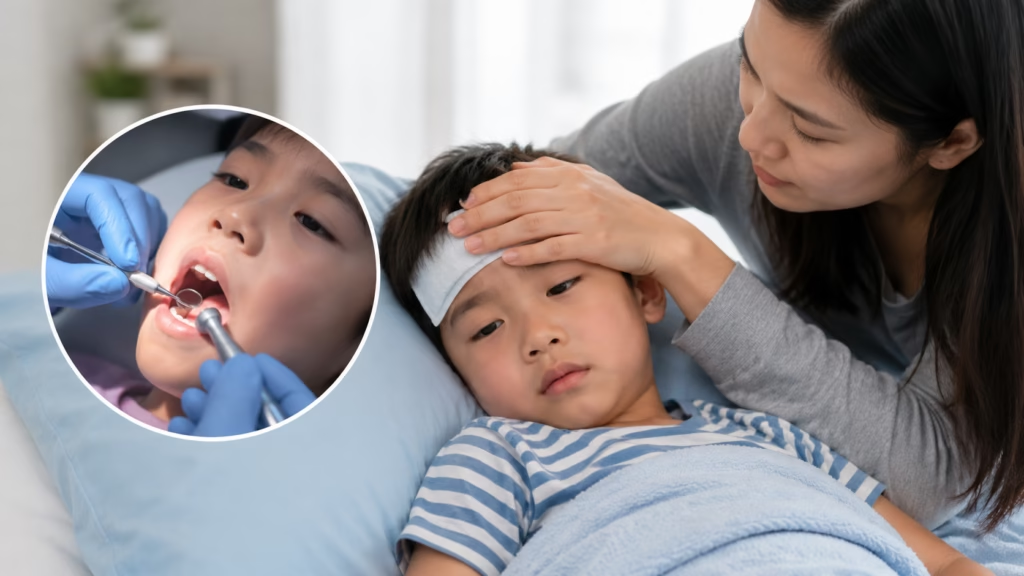
Learn why a child might develop a fever after a dental filling, how to manage mild symptoms at home, and when to seek professional medical or dental care.
A low-grade fever (about 100.4–102°F) after a filling can be a normal, short-lived inflammatory response.
Persistent fever above 101°F, increasing pain, swelling, pus, or foul taste suggests possible infection needing prompt evaluation.
Reactions to local anesthetic or medications can cause brief fever; rash, breathing difficulty, or swelling require immediate care.
Monitor temperature, use age-appropriate acetaminophen or ibuprofen, offer soft cool foods, fluids, and gentle brushing to aid recovery.
Contact dentist or pediatrician if fever persists over 24 hours, exceeds 102°F, or if breathing, swallowing, severe lethargy, worsening pain, or facial swelling occur.
A mild fever after a dental filling can occur due to the body's natural inflammatory response to tissue irritation or minor trauma. While low-grade temperatures often resolve quickly on their own, a persistent or high fever may indicate an underlying infection. Parents should monitor the child closely and contact their dentist if symptoms worsen or do not improve.
Introduction
Dental fillings are among the most common pediatric dental procedures performed to treat tooth decay and preserve oral health. In most cases, children recover quickly with little discomfort. However, some parents become concerned when their child develops a fever shortly after the procedure. Although a mild increase in body temperature may occur as part of the body’s normal inflammatory response, persistent or high fever can sometimes indicate an underlying complication that requires professional attention.
Understanding the possible causes of fever after a dental filling helps parents respond appropriately, monitor symptoms effectively, and recognize situations that warrant urgent care. A detailed awareness of post-procedure recovery also contributes to safer outcomes and improved comfort for the child.
Understanding Fever After a Dental Filling
Fever is generally a sign that the immune system is responding to stress, inflammation, or infection. After a dental filling, the body may react to tissue irritation or minor trauma associated with the procedure. In children, even mild physiological stress can sometimes trigger a temporary increase in body temperature.
A low grade fever, typically ranging between 100.4°F and 102°F, may occur within the first several hours after treatment. This type of fever is often short lived and resolves without complications. The reaction may be associated with inflammation of the tooth tissues, sensitivity of the surrounding gums, or the body’s response to local anesthetics or medications.
Although mild fever can be part of normal healing, persistent or worsening fever should never be ignored because it may indicate infection or deeper tissue involvement.
Common Causes of Fever After Dental Filling in Children
Inflammation of the Tooth Nerve
One of the most common causes of post filling fever is irritation of the tooth pulp, which contains nerves and blood vessels. During the removal of deep tooth decay, the dental instruments may come very close to the pulp tissue. Even when performed carefully, this process can temporarily irritate the nerve endings within the tooth.
This inflammatory response, known as pulpitis, may cause symptoms such as throbbing discomfort, sensitivity to hot or cold foods, and mild fever. In many cases, the irritation improves gradually as the tooth heals. However, severe or persistent inflammation may require further dental evaluation.
Bacterial Infection
Although dental procedures are performed under highly controlled and hygienic conditions, bacteria may occasionally remain within microscopic channels of the tooth or enter deeper tissues during treatment. If bacteria multiply within the tooth or surrounding gum tissue, infection can develop.
Signs of infection may include fever above 101°F, increasing pain, swelling of the gums or face, foul odor or taste in the mouth, and redness around the treated area. Dental infections in children can spread quickly if untreated, making prompt professional care essential.
Reactions to Anesthesia or Medications
Some children may experience mild reactions to local anesthetics, antibiotics, or pain medications prescribed after the procedure. These reactions are uncommon but may cause temporary fever, mild fatigue, or irritability.
In most cases, such reactions are short lived and resolve within one day as the medication is metabolized and eliminated from the body. However, severe allergic reactions involving rash, breathing difficulty, or swelling require immediate medical attention.
Gum Tissue Irritation
The gum tissue surrounding the treated tooth may become irritated during the dental procedure. Instruments used during filling placement can occasionally cause minor trauma to the gums, resulting in localized inflammation.
This irritation may produce redness, tenderness, and slight swelling around the tooth. In some children, the inflammatory process may also contribute to a mild fever. Proper oral hygiene and gentle care usually allow the tissue to heal within a few days.
Recognizing Warning Signs
Most mild fevers that occur shortly after dental treatment resolve without complications. Nevertheless, parents should carefully observe the child for signs that suggest a more serious problem.
A fever that rises above 101°F or persists for more than twenty four hours may indicate infection or significant inflammation. Facial swelling, especially around the jaw or cheeks, should also be considered a warning sign because it may reflect spreading infection.
Severe tooth pain that worsens instead of improving is another important concern. Difficulty swallowing, opening the mouth, or breathing may indicate deeper tissue involvement and requires urgent medical evaluation. The presence of pus, drainage, or intense redness around the filling site further increases the likelihood of infection.
At Home Care and Symptom Management
Monitoring Temperature and Symptoms
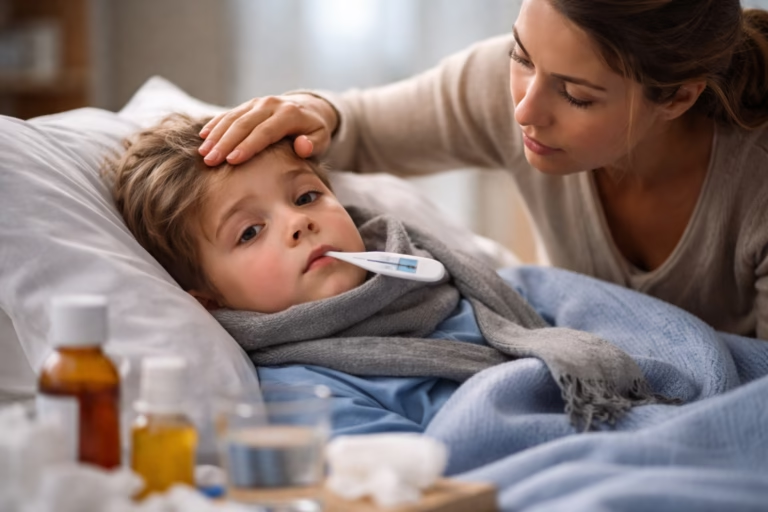
Careful observation is essential during the recovery period. Parents should check the child’s temperature every few hours and monitor changes in eating habits, hydration status, activity level, and mood. Tracking symptoms helps determine whether the condition is improving or worsening.
Comfort Measures
Over the counter pain relievers such as acetaminophen or ibuprofen may help reduce discomfort and fever when used according to pediatric dosing recommendations. These medications should always be administered based on the child’s age and weight.
Soft and cool foods are often more comfortable for children after dental procedures. Yogurt, smoothies, soups, applesauce, and mashed foods reduce irritation to the treated area while providing necessary nutrition. Adequate fluid intake is equally important to prevent dehydration and support recovery.
Gentle Oral Hygiene
Maintaining oral cleanliness helps reduce bacterial growth and promotes healing. Children should brush gently around the treated tooth using a soft toothbrush to avoid further irritation. Warm salt water rinses may also soothe the gums and reduce inflammation in older children who can rinse safely without swallowing.
Rest and Emotional Support
The body heals more effectively during periods of rest. Encouraging the child to avoid strenuous activity and get adequate sleep supports immune function and tissue repair. Emotional reassurance is also important, as children may become anxious or fearful after dental treatment. Calm support from parents helps reduce stress and improve comfort.
When to Contact the Dentist or Pediatrician
Professional medical or dental evaluation is necessary when symptoms persist or worsen. Parents should contact the dentist or pediatrician if the fever lasts longer than twenty four hours, rises above 102°F, or is accompanied by swelling, vomiting, severe lethargy, or breathing difficulty.
Rapidly increasing pain or visible swelling around the jaw should also prompt immediate attention because untreated oral infections can spread to surrounding tissues. Many dental practices provide emergency contact services after hours, and parents should not hesitate to seek assistance if concerning symptoms develop.
Preventing Fever and Supporting Smooth Recovery
Pre Procedure Planning
Providing the dentist with a complete medical history before treatment is essential. Information regarding allergies, medication reactions, or previous dental complications helps reduce the risk of adverse events.
Following Post Procedure Instructions
Dentists often provide detailed aftercare recommendations related to diet, oral hygiene, and medication use. Adhering to these instructions supports proper healing and reduces the likelihood of complications.
Regular Dental Checkups
Routine follow up visits allow dentists to monitor the healing process and ensure that the filling remains intact. Early identification of problems prevents more serious complications from developing.
Maintaining Good Oral Hygiene Habits
Long term oral health reduces the need for future dental procedures and lowers the risk of infection. Children should be encouraged to brush twice daily, floss regularly, and limit sugary snacks and beverages that contribute to tooth decay.
Conclusion
A mild fever after a dental filling in children is often related to temporary inflammation and may resolve naturally within a short period. Nevertheless, persistent fever, worsening pain, or swelling should always be taken seriously because they may indicate infection or deeper complications.
Careful monitoring, gentle supportive care, and timely communication with healthcare professionals are essential for ensuring safe recovery. By understanding the potential causes and warning signs associated with post filling fever, parents can respond confidently and help their children recover comfortably while maintaining long term oral health.
Disclaimer
This article is for educational purposes only and does not replace professional medical advice, diagnosis, or treatment. Seizures, severe headache, confusion, visual changes, or blood pressure readings in the hypertensive crisis range require urgent medical evaluation.
Fever that rises above 101°F or lasts longer than twenty-four hours.
Visible swelling in the face, jaw, or neck area.
Difficulty breathing, swallowing, or opening the mouth fully.
Severe pain that increases despite using over-the-counter medication.
Presence of pus or persistent drainage near the treated tooth.
Call local emergency services immediately if the child has trouble breathing.
If symptoms are severe or come on suddenly, call your local emergency number.
Frequently asked questions
Can my child return to school if they have a mild fever after a filling?
It is generally recommended to keep a child home until they are fever-free for at least 24 hours without the use of fever-reducing medication. This allows you to monitor their recovery and ensures they are comfortable. If the fever persists or the child seems unwell, consult your dentist before sending them back to school.
Should I give my child antibiotics if they develop a fever?
No, you should never give a child antibiotics unless they have been specifically prescribed by a dentist or doctor for a diagnosed bacterial infection. Antibiotics are not effective against viral fevers or general inflammation. Using them unnecessarily can lead to antibiotic resistance and other health risks, so always seek professional guidance first.
Is it normal for my child to feel tired after a dental procedure?
Yes, it is common for children to feel tired or irritable following a dental procedure. This can be a reaction to the stress of the appointment, the lingering effects of local anesthesia, or the body’s natural response to minor tissue trauma. Ensure the child gets plenty of rest and stays hydrated while they recover.
How long does it take for gum irritation to heal after a filling?
Minor gum irritation typically resolves within a few days as the tissue heals. During this time, maintain gentle oral hygiene by brushing softly around the area and avoiding hard or crunchy foods. If the irritation does not show signs of improvement after three days, or if it becomes more painful, schedule a follow-up appointment.
Physician with experience in patient care and preventive medicine, focused on early detection, disease prevention and long-term wellness.
True Impact Health articles are written by our editorial team and based on reliable sources such as public health agencies, clinical guidelines and peer-reviewed research. This article has been checked by a doctor on our review panel. Read our editorial process.
This content is for general information and is not a substitute for professional medical advice, diagnosis or treatment.