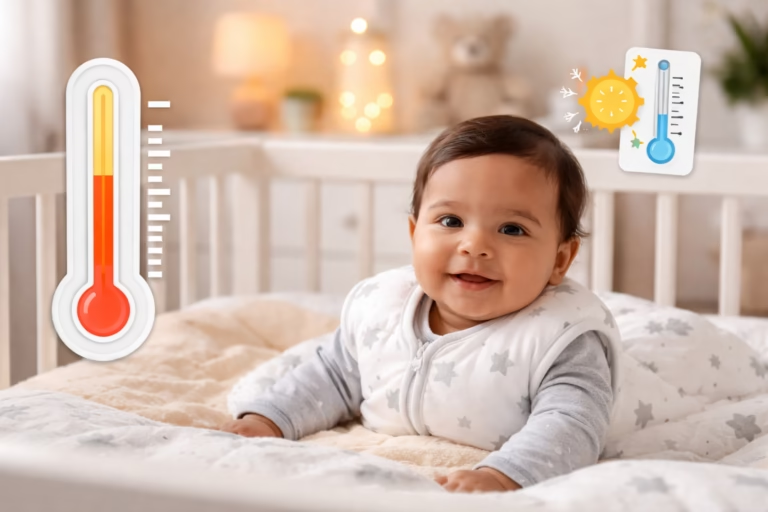













Can Anxiety Cause Fever in a Child
Learn if anxiety can raise a child's temperature, how to tell stress‑induced heat from true fever, and tips for calming and when to seek care.
By True Impact Health Editorial Team

Physician with experience in patient care and preventive medicine, focused on early detection, disease prevention and long-term wellness.
Reviewed this article on October 9, 2026.
View profile How we reviewUpdated on March 23, 2026 3 min read

Table of Contents
Introduction
It’s every parent’s instinct to worry when their child’s forehead feels warm. Fever often signals infection, but could anxiety be the hidden culprit? Understanding the link between emotional stress and body temperature is essential for knowing when to seek medical care and how to support your child. In this post, we’ll explore whether anxiety can cause fever in a child, explain the underlying mechanisms, and offer practical tips for parents.
Understanding Fever in Children
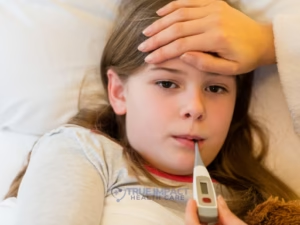
What Is Fever?
• Definition: Fever is a temporary rise in body temperature, usually above 100.4°F (38°C) as part of the immune system’s response to infection.
• Common Causes:
– Viral infections (e.g., colds, flu)
– Bacterial infections (e.g., ear infections, strep throat)
– Vaccinations (transient post-immunization fever)
– Overheating (heat exhaustion, overdressing)
When to Be Concerned
• Mild Fevers (100.4–102°F): Often manageable at home with fluids and rest.
• High Fevers (>102°F): May warrant medical evaluation, especially in infants under three months or if accompanied by severe symptoms (rash, lethargy, difficulty breathing).
Anxiety and the Body’s Stress Response
The “Fight-or-Flight” Mechanism
When a child experiences anxiety, their body activates the sympathetic nervous system:
• Release of stress hormones (adrenaline, cortisol)
• Increased heart rate and blood pressure
• Changes in blood flow and metabolism
Stress-Induced Hyperthermia vs. Fever
• Fever (Pyrexia)
– Driven by the hypothalamus resetting the body’s temperature “set point” in response to infection or inflammation.
– Often accompanied by chills, sweating, and other immune-related symptoms.
• Hyperthermia
– Occurs when the body generates or absorbs more heat than it dissipates (e.g., exercise, hot environments).
– Stress-induced hyperthermia is a mild, transient rise in temperature caused by emotional arousal not an immune response.
Can Anxiety Cause a True Fever?
What the Research Says
• Mild Temperature Increase: Studies in adults and animals show that acute stress can raise skin and core temperatures by up to 1°F, but rarely above the clinical fever threshold.
• Children’s Response: While data are limited, children’s bodies react similarly, some transient warming but not genuine infection-level fevers.
Distinguishing Factors
Ask yourself:
• Duration: Is the elevated temperature fleeting, coinciding with a stressful event (test, performance)?
• Accompanying Symptoms: Are there signs of infection, cough, sore throat, body aches or purely anxiety symptoms like trembling or stomachaches?
Recognizing Anxiety-Related Temperature Fluctuations

Common Anxiety Symptoms in Children
• Physical:
– Sweating or clammy skin
– Shaking or trembling
– Upset stomach or headaches
• Behavioral:
– Clinging or withdrawal
– Irritability or tantrums
– Changes in sleep or appetite
How Fever-Like Sensations Present
• Warm face or neck without chills
• Temporary spikes after panic attacks
• Rapid recovery once anxiety subsides
Diagnosing the Cause of Fever
Steps for Parents and Caregivers
1. Observe and Record – Note temperature readings, time of day, and any triggering events (tests, social situations).
2. Check for Infection Signs – Look for runny nose, cough, rash, sore throat, ear pain or urinary symptoms.
3. Consult Your Pediatrician
– Share your observations: frequency, duration, associated behaviors.
– Doctor may order:
• Physical exam
• Lab tests (CBC, CRP, cultures) if infection is suspected
Managing Anxiety-Related Temperature Spikes

Calming Strategies
• Deep-Breathing Exercises: Teach “slow belly breaths” (inhale for 4 counts, exhale for 6).
• Progressive Muscle Relaxation: Tense and release muscle groups from toes to head.
• Grounding Techniques: Encourage naming five things they see, four they can touch, three they hear, two they smell, one they taste.
Lifestyle and Routine
• Consistent Sleep Schedule: Aim for age-appropriate hours (9–12 hours for school-age children).
• Balanced Diet and Hydration: Healthy meals, limit caffeine and sugary drinks.
• Regular Physical Activity: Daily play or sports to burn off excess stress.
Professional Support
• Cognitive-Behavioral Therapy (CBT): Helps children reframe anxious thoughts.
• Family Counseling: Teaches parents supportive communication.
• Pediatric Referral: In severe cases, a child psychologist or psychiatrist may evaluate for medication.
When to Seek Medical Care

Red Flags for Parents
• Persistent High Fever (>102°F) lasting more than 48 hours
• Signs of severe infection (difficulty breathing, stiff neck, unresponsive)
• Dehydration (dry mouth, sunken eyes, low urine output)
• Worsening anxiety: refusal to attend school, social withdrawal, self-harm talk
Conclusion
While true fevers are almost always the result of infection or overheating, anxiety and acute stress can cause a temporary, mild rise in body temperature known as stress-induced hyperthermia. By observing patterns, distinguishing infection signs from anxiety symptoms, and using calming strategies, parents can better understand their child’s needs. Always consult your pediatrician for any persistent or high fevers. With the right support, both emotional and medical, your child can stay healthy, cool, and confident even when life gets stressful.
Was this page helpful?
Thanks for your feedback! What could we improve?
Thank you! Your feedback helps us improve our articles.
Medically reviewed by
Dr. Bernard ReynoldsPhysician with experience in patient care and preventive medicine, focused on early detection, disease prevention and long-term wellness.
True Impact Health articles are written by our editorial team and based on reliable sources such as public health agencies, clinical guidelines and peer-reviewed research. This article has been checked by a doctor on our review panel. Read our editorial process.
This content is for general information and is not a substitute for professional medical advice, diagnosis or treatment.