











Why Does My Child Get a Fever at Night
Few things worry a parent more than waking up to find their little one burning up under the covers. If your child’s temperature always seems to spike...
Table of Contents
Introduction
Few things worry a parent more than waking up to find their little one burning up under the covers. If your child’s temperature always seems to spike after dark, you’re not alone, and there’s a scientific explanation behind this nighttime fever pattern. In this post, we’ll explore why fevers often strike at night, what it means for your child’s health, and practical steps to help them (and you) sleep more soundly.
1. The Science Behind Fevers
Understanding why fevers occur, and why they often worsen at night, starts with our body’s internal clocks and immune response.
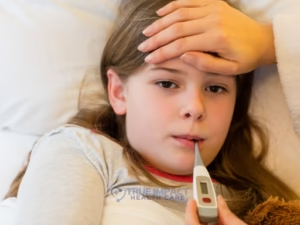
• What Is a Fever?
– A fever is the body’s natural defense mechanism. When pathogens (like viruses or bacteria) invade, the brain’s thermoregulatory center raises the “set point” to help inhibit germ growth.
• Circadian Rhythms and Body Temperature
– Our core temperature fluctuates throughout the day. It’s lowest in the early morning and peaks in the late afternoon or early evening. As night falls, that upward trend can make an existing low-grade fever feel more pronounced.
• Immune System Activity
– White blood cells and inflammatory chemicals ramp up production at night. While this enhances your child’s ability to fight infection, it may also elevate body temperature further.
2. Common Reasons for Nighttime Fevers in Children
Several factors, both normal and pathological, can trigger a fever that seems worse once the lights go out.
• Viral Infections
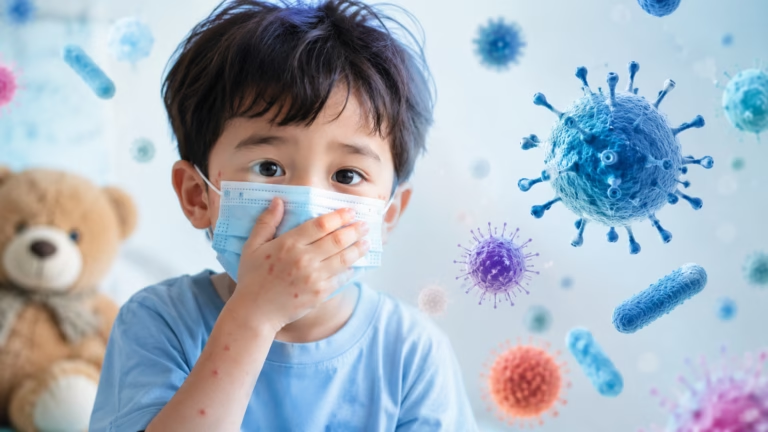
– Common culprits include colds, flu, RSV, and roseola. These often present with low-grade fevers that rise periodically, especially at night.
• Bacterial Infections
– Ear infections, strep throat, and sinusitis can cause spikes, often accompanied by pain or irritability.
• Teething in Infants
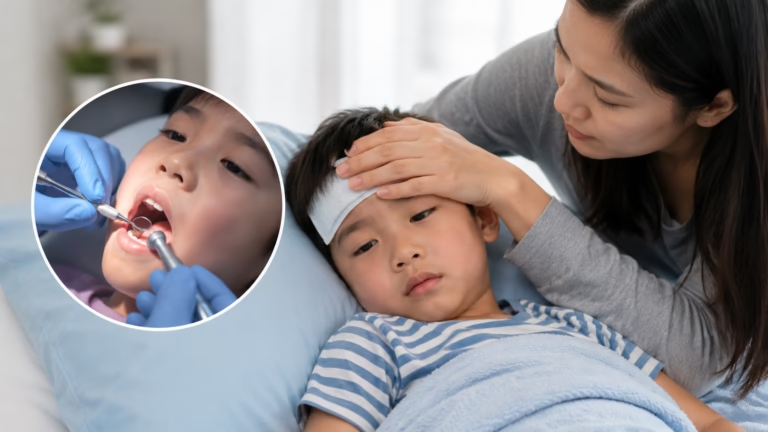
– While teething alone causes only a slight temperature rise, it can contribute to nighttime discomfort and mild fever.
• Environmental Factors
– Overbundling, heavy pajamas, or a warm room can trap heat and falsely elevate temperature readings.
• Recent Vaccinations
– Some children run a mild fever after immunizations. These post-vaccination fevers typically subside within 48 hours.
3. Recognizing Red Flags: When to Worry
Most fevers are harmless, but certain signs warrant prompt medical attention.
Key Warning Signs
• Temperature above 104°F (40°C)
• Fever persisting longer than 72 hours
• Signs of dehydration (dry lips, decreased urine output)
• Extreme lethargy or unresponsiveness
• Seizures or stiff neck
• Rash that doesn’t fade under pressure If you notice any of the above, or if you simply feel uneasy, reach out to your pediatrician or seek emergency care.
4. Managing Nighttime Fevers at Home

When your child’s fever climbs after bedtime, these tips can help ease their discomfort and support restful sleep.
A. Comfort Measures
• Light Bedding: Use breathable sheets and keep blankets to a minimum.
• Lukewarm Sponge Bath: Gently sponge, avoiding cold water that can trigger shivering.
• Cool Compress: Place a damp cloth on the forehead or wrists.
B. Fever-Reducing Medications
• Acetaminophen (Tylenol): Safe for infants older than 2 months.
• Ibuprofen (Advil, Motrin): Appropriate for children over 6 months—avoid on an empty stomach.
• Dosage Tips: Always follow weight-based dosing charts or your doctor’s instructions. Never combine acetaminophen and ibuprofen without medical advice.
C. Hydration & Nutrition
• Fluids: Offer water, Pedialyte, or diluted juice.
• Light Meals: Bland foods (toast, crackers) may be more appealing if your child’s appetite is low.
5. Preventing Nighttime Fevers & Promoting Better Sleep
While you can’t stop every illness, these habits help reduce fever severity and improve overall rest.
• Maintain Good Hygiene
– Encourage frequent handwashing, especially after outings or playdates.
• Balanced Diet & Hydration
– A nutrient-rich diet strengthens immunity; ensure plenty of water throughout the day.
• Optimal Sleep Environment
– Aim for a cool (65–70°F), dark room with minimal noise.
• Routine Check-Ups
– Regular pediatric visits can catch underlying issues before they escalate.
6. When Nighttime Fevers Signal a Deeper Issue
Rarely, recurring fevers at night may indicate an underlying condition that needs closer evaluation.
Possible Causes to Explore
• Autoimmune Disorders (e.g., juvenile arthritis)
• Chronic Infections (e.g., urinary tract)
• Periodic Fever Syndromes
Consult your pediatrician if your child has:
– Recurrent fevers with no clear source
– Family history of autoimmune or periodic fever syndromes
Conclusion
Nighttime fevers can be unsettling, but they’re often a normal part of your child’s immune response and circadian rhythm. By understanding the “why” behind those evening spikes and using targeted comfort measures—hydration, appropriate medications, and a cozy sleep environment—you can help your child rally through illness more comfortably. Always monitor for warning signs, and don’t hesitate to contact your pediatrician if you have concerns. With the right approach and a little TLC, both you and your child can rest easier, even when fever strikes at night.
Was this page helpful?
Thanks for your feedback! What could we improve?
Thank you! Your feedback helps us improve our articles.
True Impact Health articles are written by our editorial team and based on reliable sources such as public health agencies, clinical guidelines and peer-reviewed research. This article has not yet been medically reviewed. Read our editorial process.
This content is for general information and is not a substitute for professional medical advice, diagnosis or treatment.