Introduction
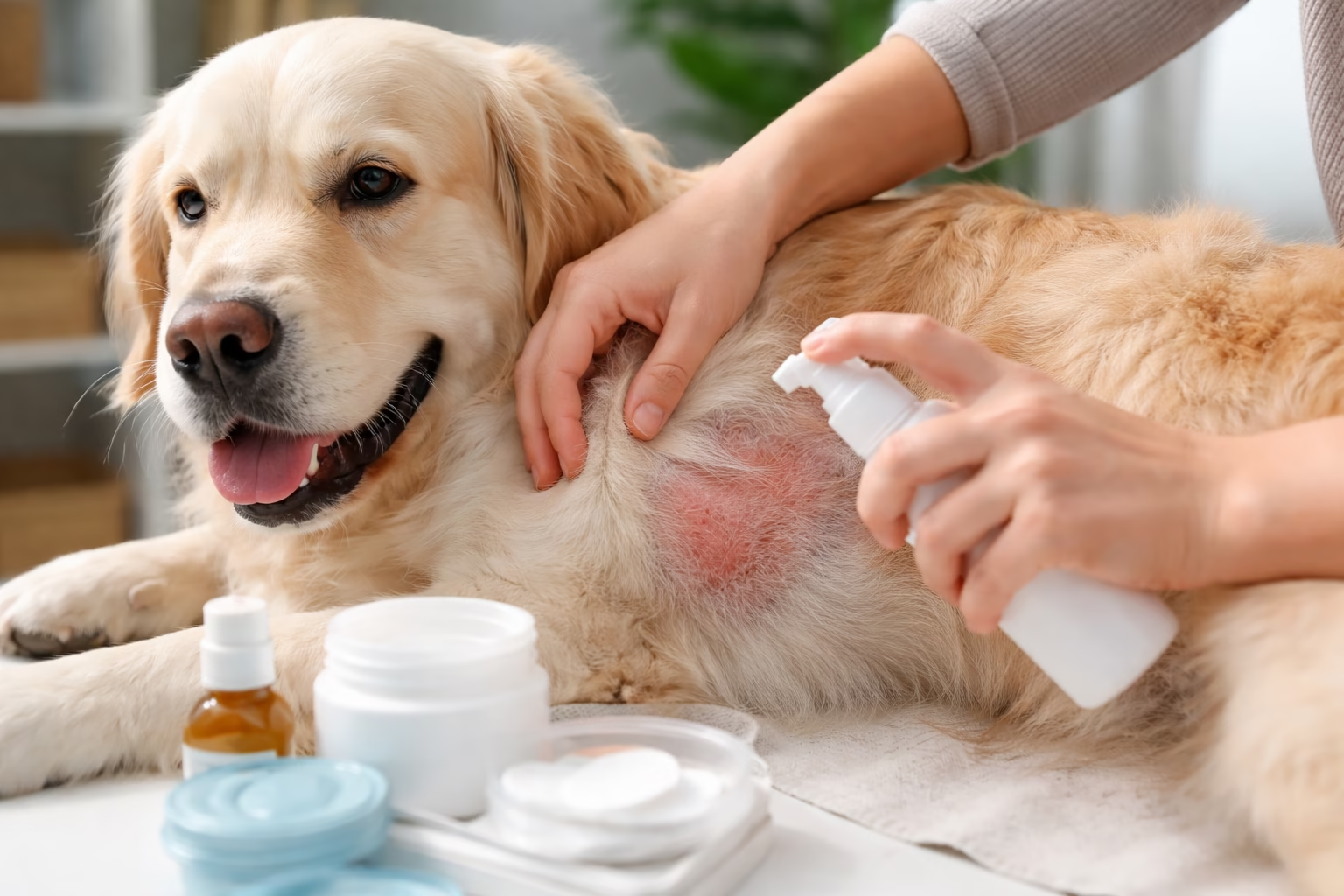
Dog dermatitis, an umbrella term for skin inflammation in our canine companions, can cause itchiness, redness, and discomfort. As a caring pet parent, you want to help your furry friend feel better without always rushing to the vet. While professional guidance is essential for severe cases, there are safe, effective home remedies and lifestyle changes you can use to relieve mild to moderate dermatitis. In this post, you’ll discover how to identify symptoms, try gentle at-home treatments, and prevent flare-ups down the road.
- Establish a gentle bathing routine using hypoallergenic or oatmeal shampoo every 7–14 days to soothe and remove allergens.
- Apply cool compresses and pet-safe topicals like coconut oil or pure aloe vera to reduce itching and inflammation.
- Try dietary changes such as an elimination diet and omega-3 supplements to address food sensitivities and improve coat health.
- Manage the environment by vacuuming, washing bedding, and using pet-safe cleaners to minimize allergens and irritants.
Understanding Dog Dermatitis
What Is Canine Dermatitis?
Dog dermatitis refers to a range of inflammatory conditions that affect the skin. Common forms include:
• Atopic dermatitis (allergic reaction)
• Contact dermatitis (irritation from a substance)
• Flea bite dermatitis
• Seborrheic dermatitis (oil-related)
Common Causes
• Environmental allergens: pollen, mold, dust mites
• Food sensitivities: certain proteins or additives
• Parasites: fleas, ticks, mites
• Irritants: harsh shampoos, household chemicals
Typical Symptoms
• Persistent scratching, licking, or biting at the skin
• Red, inflamed patches or bumps
• Dry, flaky, or oily scales
• Hair loss in affected areas
• Unpleasant odor
At-Home Treatment Strategies
- Gentle Bathing Routine
Regular, medicated baths can soothe inflamed skin and wash away allergens.
• Use a hypoallergenic or oatmeal-based dog shampoo.
• Rinse thoroughly to remove all soap residue.
• Bathe every 7–14 days, or as directed by product guidelines. - Cool Compresses
Soothe itching and reduce inflammation with:
• A clean cloth soaked in cool water.
• Leave on the irritated area for 5–10 minutes, two to three times daily. - Topical Treatments
• Coconut oil: apply a thin layer to moisturize and reduce bacteria.
• Aloe vera gel (pure, pet-safe): calms redness and promotes healing.
• Witch hazel (alcohol-free): naturally dries out inflamed spots. - Dietary Adjustments
Food sensitivities can trigger skin reactions. Consider:
• Elimination diet: remove common allergens (chicken, beef, dairy) for 6–8 weeks, then reintroduce proteins one at a time.
• Omega-3 fatty acid supplements: fish oil or flaxseed oil capsules can improve coat health.
• High-quality, grain-free formulas if grain allergies are suspected. - Environmental Management
• Vacuum carpets and wash bedding regularly to reduce dust and dander.
• Change air filters often, especially if your home has high pollen levels.
• Use pet-safe cleaning products to avoid chemical irritants. - Natural Supplements and Remedies
• Quercetin: a natural antihistamine that may reduce allergic responses.
• Probiotics: support healthy gut flora, which can influence skin health.
• Brewer’s yeast: some dogs benefit from improved coat condition and reduced itching.
Monitoring Progress and When to Seek Help
Track your dog’s skin condition by taking photos weekly and noting changes. If you observe any of the following, contact your veterinarian:
• Symptoms worsen or spread rapidly
• Open sores, bleeding, or signs of infection (pus, foul odor)
• Persistent discomfort that disrupts sleep or appetite
• Systemic signs: fever, lethargy, vomiting
Preventing Future Flare-Ups
• Maintain a consistent grooming schedule.
• Rotate chew toys and avoid plastics that release irritants.
• Keep your dog’s environment free of known allergens (e.g., pollen, mold).
• Stick to balanced, vet-approved diets and supplements.
Conclusion
Treating dog dermatitis at home involves a balanced approach of gentle skin care, dietary management, and environmental control. By establishing a regular bathing routine, applying soothing topical remedies, and adjusting your dog’s diet, you can greatly reduce itching and inflammation. Remember, these home treatments work best for mild to moderate cases. If your dog’s condition doesn’t improve or worsens, always seek professional veterinary care. With patience and consistency, you’ll help your furry friend enjoy healthy, comfortable skin, and more tail wags ahead!
Further Reading