












How to Make and Use a Cold Compress
Learn how to make a safe DIY cold compress, apply it correctly, and know when to seek medical help for injuries or pain.
By True Impact Health Editorial Team

Physician with experience in patient care and preventive medicine, focused on early detection, disease prevention and long-term wellness.
Reviewed this article on October 10, 2026.
View profile How we reviewUpdated on October 10, 2026 5 min read
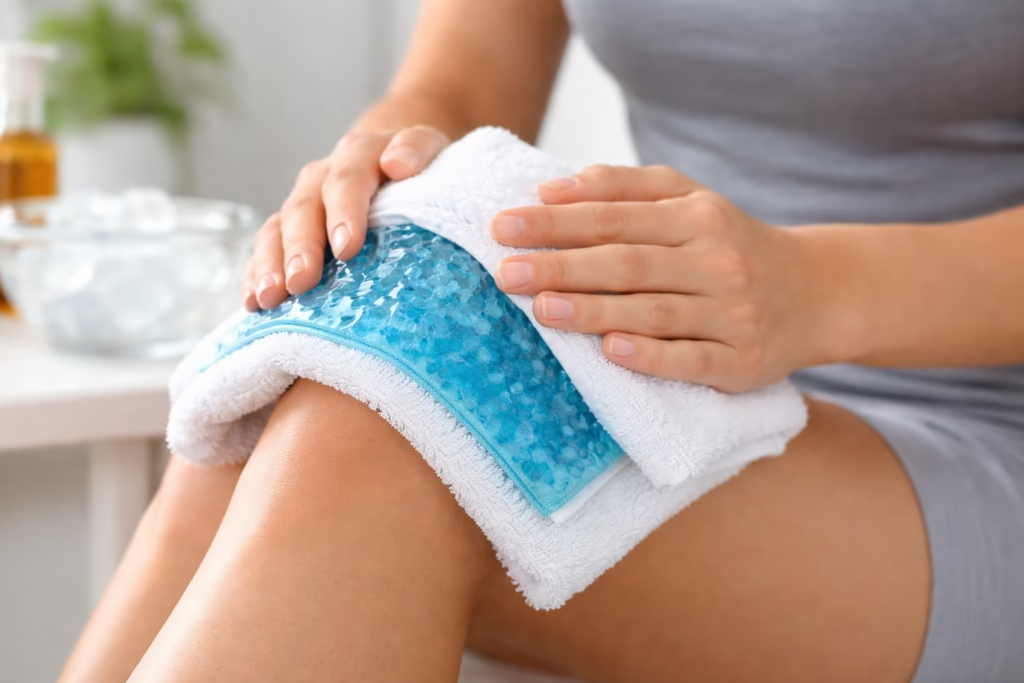
Table of Contents
Quick answer
- Make a DIY pack: fill a zip-top bag halfway with ice or frozen vegetables, press out air, seal, and wrap in a thin towel.
- Use safely: always wrap compress, limit sessions to 15–20 minutes, and wait at least 40 minutes before reapplying.
- When to use: apply within 48 hours for sprains, for headaches, fevers, insect bites, and post-workout soreness.
A cold compress is a wrapped bag of ice, frozen gel or chilled vegetables applied to the skin to reduce pain, swelling and inflammation. Use a thin cloth barrier, apply for 15‑20 minutes, then remove and wait at least 40 minutes before re‑applying.
Introduction
When unexpected bumps, bruises, or headaches strike, a cold compress can be your go-to remedy for quick relief. Whether you’re an athlete recovering from a sprain or a busy parent tending to a child’s fever, knowing how to make and apply a cold pack is an essential first-aid skill.
In this post, we’ll walk you through what a cold compress is, how to DIY one at home, best practices for safe use, and when to turn to cold therapy for maximum benefit.
What Is a Cold Compress?
A cold compress (also called a cold pack or ice pack) is a low-temperature treatment applied externally to reduce pain, inflammation, and swelling.
By constricting blood vessels in the target area, it slows circulation, numbs nerve endings, and temporarily relieves discomfort.
Benefits of Using a Cold Compress
-
Reduces pain and throbbing sensations
-
Minimizes swelling and inflammation
-
Lowers tissue temperature to slow metabolic processes and prevent further injury
-
Provides immediate comfort for headaches, insect bites, and fevers
-
Non-invasive, drug-free approach suitable for all ages
Types of Cold Compresses
Before diving into DIY methods, here’s a quick look at the most common options:
-
Reusable Gel Packs: Store in freezer; mold easily to body contours.
-
Ice Packs: Freezable, firm but adaptable; good for general use.
-
Instant Cold Packs: Single-use; activate by squeezing or shaking—ideal for on-the-go.
-
Frozen Vegetables (e.g., peas): Household staple that conforms nicely to joints.
-
Ice Cubes in a Sealed Bag: Wrap in a thin towel; budget-friendly and readily available.
How to Make Your Own DIY Cold Compress
Follow these simple steps to assemble a safe, effective pack in minutes:
Step 1: Choose Your Vessel
-
Zip-top freezer bag (gallon size works best)
-
Reusable silicone food bag
-
Clean washcloth or thin towel
Step 2: Select Your Cold Medium
-
Crushed ice or ice cubes
-
Store-bought gel beads (freeze per instructions)
-
Rinsed frozen vegetables
Step 3: Assemble the Compress
-
Place ice or frozen medium into the freezer bag—fill about halfway.
-
Press out excess air to help the pack conform to your body.
-
Seal tightly, then wrap the bag in a thin towel or washcloth.
Step 4: Store Until Ready
-
Lay flat in your freezer to ensure an even freeze.
-
Label with date; use within two weeks for best performance.
Proper Use and Safety Tips
To get relief without damaging your skin or tissues, keep these pointers in mind:
-
Always wrap the cold pack in a cloth—never place it directly on skin.
-
Limit application time to 15–20 minutes per session.
-
Allow skin to return to normal temperature before reapplying (at least 40 minutes).
-
Check skin every few minutes; if you see redness or feel burning, remove immediately.
-
Not recommended for people with poor circulation, Raynaud’s phenomenon, or cold allergies—consult a doctor first.
When to Use a Cold Compress
A cold pack is versatile. Common scenarios include:
-
Sprains and strains: Apply within the first 48 hours to curb swelling.
-
Headaches and migraines: Wrap around the forehead or temples for soothing relief.
-
Post-workout soreness: Ease muscle tightness after intense training.
-
Minor burns: Use cold water first, then a cold compress to minimize discomfort.
-
Fever: Place on the forehead to help lower body temperature.
-
Insect bites and stings: Calm itching, redness, and inflammation.
How Long and How Often to Apply
-
Acute injuries (sprain, strain): Every 2–3 hours for 10–15 minutes during the first two days.
-
Chronic conditions (tennis elbow, bursitis): Up to three times daily, as needed.
-
Headaches: 10–20 minutes until pain subsides—do not exceed 30 minutes.
Storage and Care
-
Clean the exterior of reusable packs with mild soap and water; air-dry completely.
-
Inspect regularly for leaks or frost buildup—replace if damaged.
-
Store gel packs per manufacturer guidelines; avoid prolonged exposure to UV/light.
Conclusion
A simple cold compress is an invaluable tool in every household first-aid kit. With easy-to-gather materials and clear safety guidelines, you can quickly whip up your own DIY cold pack to treat injuries, headaches, fevers, and more.
Remember: wrap it properly, time your sessions, and listen to your body. When in doubt—especially for serious injuries—seek professional medical advice. Keep this guide handy, and you’ll be prepared to turn down the heat on pain and inflammation whenever they arise.
Further Reading
can tooth infections cause ear pain
3 tog sleeping bag temperature guide
What Type of Psychotherapy Is Best for Anxiety?
post-traumatic stress disorder (PTSD)
When to see a doctor
- Severe pain, swelling or bruising that worsens after 48 hours
- Numbness, tingling or loss of sensation in the treated area
- Signs of infection such as increasing redness, warmth or pus
- Fever above 101°F (38.3°C) that does not improve with cooling
- History of circulation problems, Raynaud's, or diabetes and the skin turns pale or blue
If symptoms are severe or come on suddenly, call your local emergency number.
Frequently asked questions
Can I use a frozen water bottle as a cold compress?
Yes, a frozen water bottle wrapped in a thin towel works well because it conforms to body parts and stays cold longer than ice alone. Ensure the bottle is sealed to prevent leaks.
How often can I repeat cold therapy for a sprain?
During the first 48 hours, apply a cold compress every 2–3 hours for 10–15 minutes. After that, you can reduce frequency to 2–3 times daily as needed, always allowing the skin to warm between sessions.
Is it safe to use a cold compress on a child’s fever?
A cool, damp cloth on the forehead or neck can help lower temperature, but avoid extreme cold. Do not place ice directly on a child's skin and monitor for shivering, which can raise body temperature.
What should I do if the skin becomes red or blisters after using a cold pack?
Remove the compress immediately, warm the area gently with room‑temperature water, and avoid further cold exposure. If redness persists, blisters form, or pain continues, seek medical evaluation.
Was this page helpful?
Thanks for your feedback! What could we improve?
Thank you! Your feedback helps us improve our articles.
Medically reviewed by
Dr. Bernard ReynoldsPhysician with experience in patient care and preventive medicine, focused on early detection, disease prevention and long-term wellness.
True Impact Health articles are written by our editorial team and based on reliable sources such as public health agencies, clinical guidelines and peer-reviewed research. This article has been checked by a doctor on our review panel. Read our editorial process.
This content is for general information and is not a substitute for professional medical advice, diagnosis or treatment.