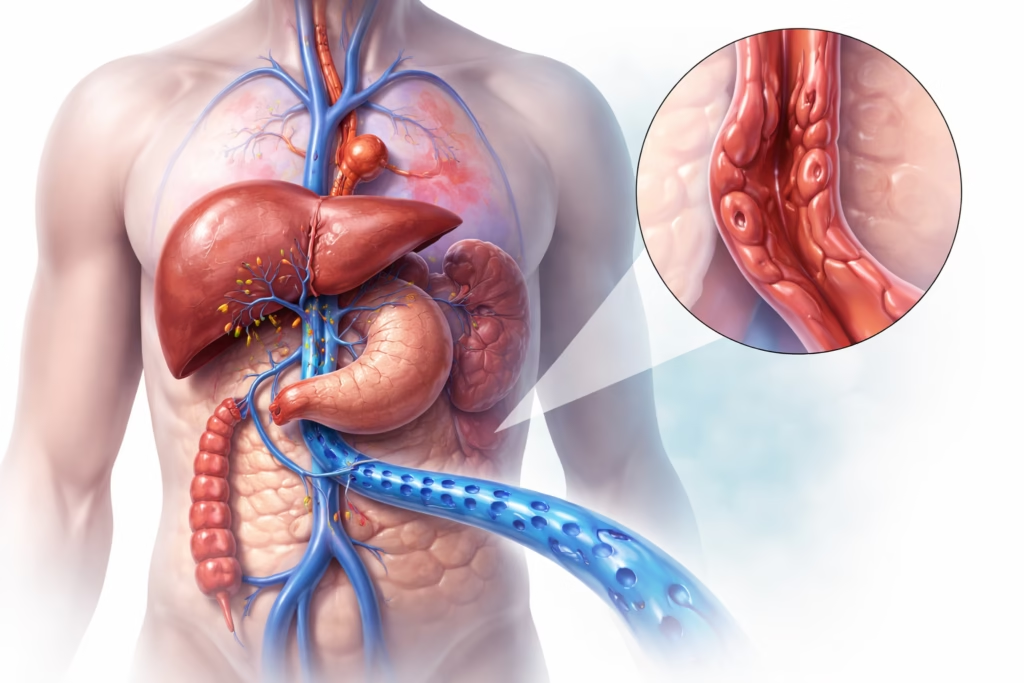

What Are the Stages of Congestive Heart Failure in Dogs?
Congestive heart failure (CHF) in dogs represents a progressive decline in cardiac function, whereby the heart becomes unable to maintain adequate circulation. As cardiac efficiency diminishes, fluid accumulates within the lungs or peripheral tissues, leading to respiratory compromise and systemic complications.
A structured understanding of the stages of CHF is essential for early detection, timely intervention, and effective long-term management. This article presents a detailed examination of disease progression, classification systems, and stage-specific care strategies.

Understanding Congestive Heart Failure in Dogs
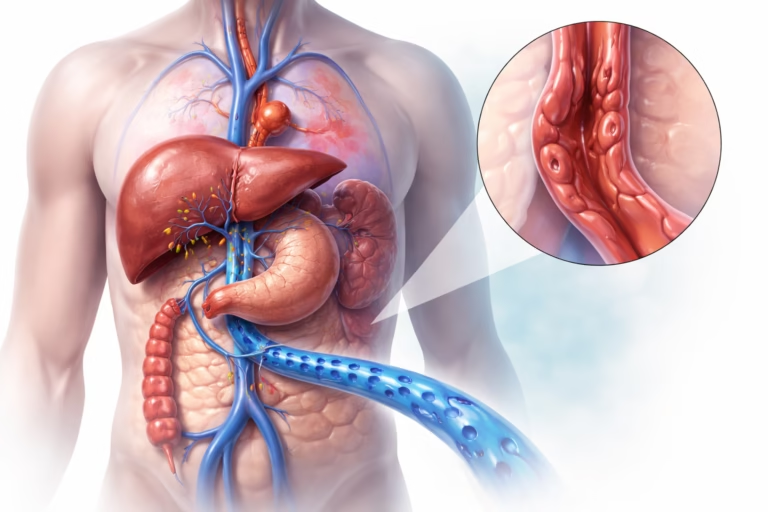
CHF arises when the heart muscle either weakens or becomes excessively stiff, impairing its ability to pump blood efficiently. This dysfunction disrupts normal circulation and leads to fluid accumulation.
Pathophysiological Basis
In a healthy dog, the heart maintains continuous blood flow to supply oxygen and nutrients to tissues. However, in CHF, reduced cardiac output triggers compensatory mechanisms such as fluid retention and increased vascular resistance. Over time, these responses exacerbate congestion rather than resolve it.
Common Causes
Valvular Disease
Degenerative changes in heart valves, particularly the mitral valve, result in blood leakage and increased cardiac workload.
Dilated Cardiomyopathy
This condition involves enlargement and weakening of the heart chambers, reducing contractile strength.
Congenital Defects
Structural abnormalities present at birth may interfere with normal blood flow and predispose the heart to failure.
Left-Sided vs Right-Sided Heart Failure
Left-sided CHF primarily leads to pulmonary edema, which manifests as breathing difficulty due to fluid accumulation in the lungs.
Right-sided CHF, by contrast, causes systemic congestion, including fluid buildup in the abdomen and limbs, often presenting as abdominal distension or swelling.
Early Clinical Indicators
Initial symptoms are often subtle and may include mild lethargy, reduced exercise tolerance, and occasional coughing. These signs are frequently overlooked, underscoring the importance of routine veterinary assessments.
Classification Systems in Canine CHF
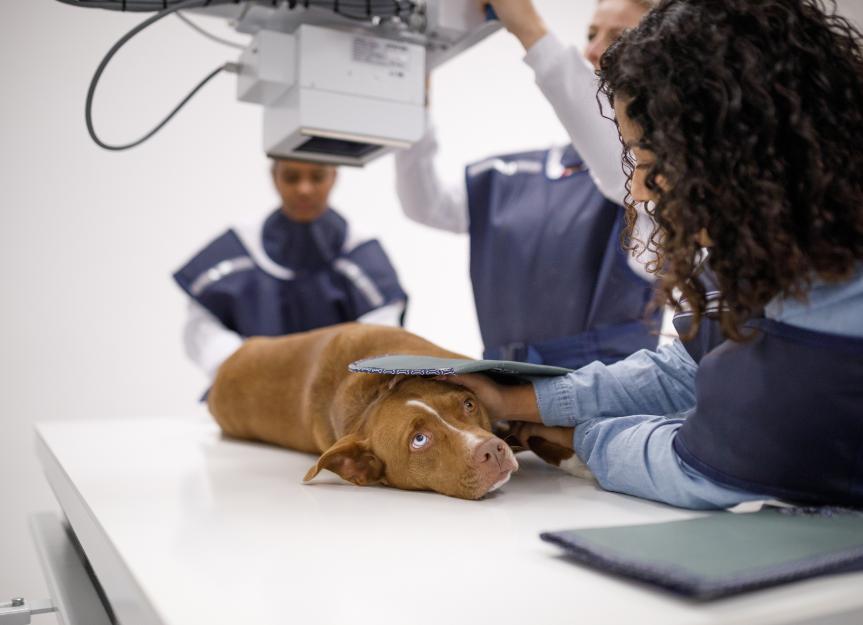
Veterinarians commonly employ two complementary frameworks to classify CHF severity and progression.
ACVIM Staging System
Stage A: At Risk
Dogs in this category do not exhibit structural heart disease but possess identifiable risk factors, such as breed predisposition or genetic susceptibility.
Clinical Characteristics
There are no observable symptoms, and cardiac function remains normal.
Management Approach
Preventive strategies focus on routine monitoring, including periodic cardiac examinations and lifestyle optimization.
Stage B: Preclinical Disease
This stage is subdivided into B1 and B2 based on structural changes.
Stage B1: No Cardiac Enlargement
A heart murmur may be detected during routine examination, but imaging studies do not reveal enlargement.
Management
Regular monitoring is recommended, typically at intervals of six to twelve months, without immediate pharmacological intervention.
Stage B2: Cardiac Enlargement Present
Dogs exhibit both a murmur and measurable enlargement of the heart, although clinical symptoms are still absent.
Management
Pharmacological therapy, particularly with pimobendan, is often initiated to delay progression. Dietary adjustments and more frequent monitoring are also indicated.
Stage C: Clinical Heart Failure
At this stage, dogs begin to show overt clinical signs associated with fluid accumulation.
Clinical Manifestations
Respiratory Symptoms
Persistent coughing and labored breathing are common due to pulmonary edema.
Exercise Intolerance
Dogs may fatigue easily and show reluctance to engage in normal activities.
Lethargy
Reduced energy levels reflect compromised oxygen delivery to tissues.
Diagnostic Findings
Radiographic imaging typically confirms fluid accumulation, while echocardiography reveals impaired cardiac function.
Management Strategies
Treatment aims to control symptoms and improve quality of life.
Diuretics
Medications such as furosemide reduce fluid overload.
Inotropic and Vasodilator Therapy
Pimobendan enhances cardiac contractility and reduces vascular resistance.
ACE Inhibitors
These agents decrease cardiac workload by lowering blood pressure.
Supportive Care
Oxygen therapy may be required during acute episodes, and nutritional support is essential to maintain strength.
Stage D: Refractory Heart Failure
Stage D represents advanced CHF that no longer responds adequately to standard treatments.
Clinical Features
Dogs often experience persistent symptoms despite optimized therapy, including recurrent respiratory distress and fluid accumulation.
Management Approach
Advanced Pharmacotherapy
Additional medications, such as spironolactone, may be introduced to manage fluid retention.
Palliative Care
The focus shifts toward comfort and symptom relief rather than disease modification.
Owner Support and Decision-Making
Caregivers are guided through complex decisions, including considerations of quality of life and end-of-life care.
Functional Classification of CHF

In addition to ACVIM staging, functional classification provides insight into the impact of CHF on daily activity.
Class I
Dogs remain asymptomatic and can perform normal activities without limitation.
Class II
Mild symptoms appear during moderate exertion, such as occasional coughing or shortness of breath.
Class III
Symptoms become pronounced with minimal activity, significantly limiting normal behavior.
Class IV
Severe symptoms occur even at rest, often requiring immediate medical attention.
Monitoring and Home Care Strategies
Effective management of CHF extends beyond clinical treatment and includes vigilant home monitoring.
Weight Monitoring
Sudden increases in body weight may indicate fluid retention.
Respiratory Rate Tracking
An elevated resting respiratory rate is often an early indicator of worsening pulmonary congestion.
Environmental Management
Maintaining a calm and stress-free environment reduces cardiovascular strain.
Medication Adherence
Strict adherence to prescribed treatments is essential for disease control.
Regular Veterinary Follow-Up
Routine imaging and laboratory assessments allow for timely adjustments in therapy.
Conclusion
Congestive heart failure in dogs is a dynamic and progressive condition that requires a structured and stage-specific approach to management. From early identification in at-risk individuals to advanced care in refractory cases, each stage presents unique clinical challenges and therapeutic considerations.
Moreover, the integration of veterinary care with attentive home management significantly enhances outcomes. Through early recognition, consistent monitoring, and collaborative decision-making, caregivers can ensure that dogs with CHF maintain optimal comfort and quality of life throughout the course of the disease.