Introduction to Yeast Infections
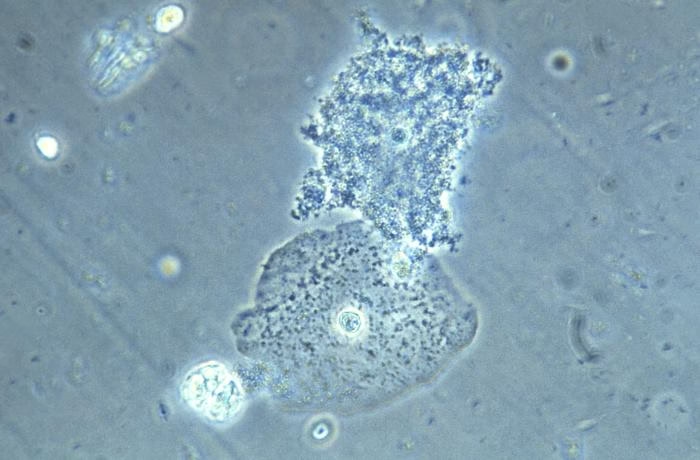
Hey there! Have you ever experienced that uncomfortable itching, burning sensation down there? You might have had a yeast infection. Yeast infections are a common fungal infection that can affect various parts of the body, but are most commonly found in the vaginal area. Don’t worry, they’re super common and easily treatable!
Yeast infections are caused by an overgrowth of a type of fungus called Candida. Normally, our bodies have a healthy balance of bacteria and yeast, but certain factors can disrupt this balance and lead to an overgrowth of yeast. This overgrowth can cause symptoms like itching, burning, redness, and discharge.
But fear not! There are plenty of ways to treat yeast infections and get back to feeling like your usual self. One natural remedy that has been gaining popularity is using Vitamin E.
Vitamin E is a powerful antioxidant that can help boost your immune system and fight off infections. It has anti-inflammatory properties that can help reduce inflammation and soothe the irritated skin caused by yeast infections. Plus, Vitamin E can help maintain the natural balance of bacteria and yeast in your body, preventing future infections.
In the following sections, we’ll dive deeper into the causes and symptoms of yeast infections, explore the benefits of using Vitamin E for treatment, and discuss how you can incorporate Vitamin E into your yeast infection treatment routine. So, sit back, relax, and let’s learn all about yeast infections and how Vitamin E can help you find relief!
Causes of Yeast Infections
Hey there! Let’s talk about yeast infections and what causes them. Yeast infections are a common fungal infection that can affect various parts of the body, but the most common type is vaginal yeast infection. These infections are usually caused by an overgrowth of a type of fungus called Candida, specifically Candida albicans.
1. Antibiotics:
One of the most common causes of yeast infections is the use of antibiotics. Antibiotics can kill off the good bacteria in your body that help keep the Candida fungus in check, leading to an overgrowth of yeast.
2. Weak immune system:
If your immune system is weakened due to factors like stress, illness, or poor nutrition, you may be more susceptible to yeast infections. A strong immune system helps keep the Candida fungus under control.
3. Hormonal changes:
Hormonal changes, such as those during pregnancy, menopause, or while taking birth control pills, can disrupt the balance of bacteria and yeast in your body, leading to a yeast infection.
4. Poor hygiene:
Not maintaining good hygiene, especially in the genital area, can create an environment that is conducive to yeast overgrowth. Make sure to keep the area clean and dry to prevent yeast infections.
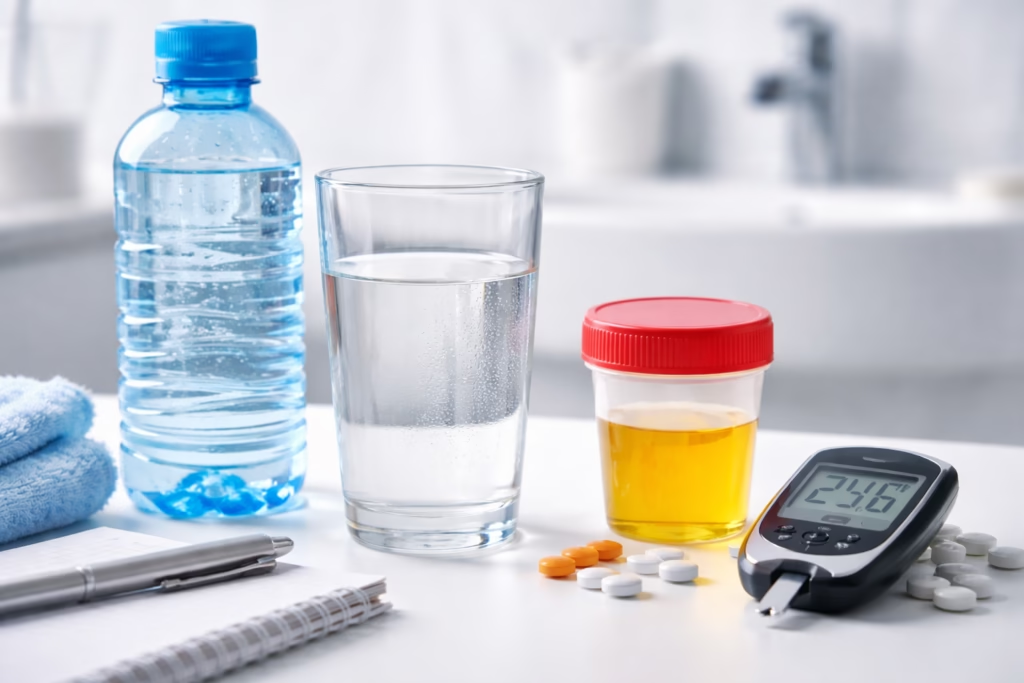
5. Diabetes:
People with diabetes are at a higher risk of yeast infections due to elevated levels of sugar in the body, which can feed the Candida fungus and promote its growth.
It’s important to note that yeast infections are not considered sexually transmitted infections, but they can be transmitted through sexual contact. If you suspect you have a yeast infection, it’s best to consult with a healthcare provider for an accurate diagnosis and appropriate treatment.
By understanding the causes of yeast infections, you can take steps to prevent them and maintain good overall health. Remember, prevention is key when it comes to dealing with yeast infections!
Symptoms of Yeast Infections
Yeast infections can be quite uncomfortable and disruptive to your daily life, but recognizing the symptoms early can help you seek the right treatment and find relief. If you suspect you have a yeast infection, it’s important to pay attention to the following signs and symptoms:
- Itching and irritation: One of the most common symptoms of a yeast infection is intense itching and irritation in the vaginal area. This can be accompanied by a burning sensation, making it uncomfortable to sit or move around.
- Abnormal discharge: Yeast infections often cause a thick, white discharge that resembles cottage cheese. The discharge may also have a yeasty odor, which can help differentiate it from other types of vaginal infections.
- Redness and swelling: The vulva and vaginal tissues may appear red, swollen, and inflamed during a yeast infection. This can contribute to feelings of discomfort and sensitivity in the affected area.
- Pain during urination or sex: Yeast infections can cause pain and discomfort when urinating or engaging in sexual activity. The irritation and inflammation in the vaginal area can make these activities painful and aggravate the symptoms.
- Soreness and rash: Some individuals may experience soreness and a rash in the vaginal area during a yeast infection. This can further contribute to discomfort and make it challenging to go about your daily activities.
While these symptoms are common indicators of a yeast infection, it’s essential to consult a healthcare provider for an accurate diagnosis and appropriate treatment. Ignoring these signs or attempting to self-diagnose can lead to complications or ineffective treatment, prolonging your discomfort.
Remember, it’s crucial to seek medical advice if you experience persistent or recurrent yeast infections, as this could indicate an underlying health issue that requires further evaluation and treatment. By addressing the symptoms promptly and seeking professional guidance, you can effectively manage yeast infections and prevent them from affecting your quality of life.
Benefits of using Vitamin E for yeast infections
So, you’ve been dealing with the unpleasant symptoms of a yeast infection and you’re looking for some relief. Have you considered incorporating Vitamin E into your treatment plan? Vitamin E, also known as tocopherol, is a powerful antioxidant that can offer a range of benefits when it comes to combating yeast infections.
Here are some reasons why Vitamin E could be a game-changer in your fight against yeast infections:
- Anti-inflammatory properties: Vitamin E has anti-inflammatory properties that can help reduce inflammation and irritation caused by yeast infections. By soothing the affected area, Vitamin E can help alleviate discomfort and promote healing.
- Antioxidant effects: Yeast infections can be caused by an overgrowth of harmful bacteria. Vitamin E’s antioxidant effects help boost the immune system and fight off these pathogens, aiding in the prevention and treatment of yeast infections.
- Moisturizing benefits: Vitamin E is known for its moisturizing properties, which can help hydrate and nourish the skin affected by yeast infections. This can help alleviate dryness and itchiness, providing much-needed relief.
- Wound healing: Vitamin E is also known for its wound-healing properties. If you have any cuts or sores as a result of the yeast infection, Vitamin E can help speed up the healing process and prevent further infection.
With all these benefits, it’s no wonder that Vitamin E is gaining popularity as a natural remedy for yeast infections. So, how exactly can Vitamin E help treat yeast infections?
Stay tuned for our next section, where we’ll delve into how Vitamin E can be incorporated into your yeast infection treatment plan for maximum effectiveness!
How Vitamin E can help treat yeast infections
Are you struggling with a pesky yeast infection and looking for a natural way to find relief? Look no further than Vitamin E! This powerful antioxidant has been shown to have numerous benefits for treating yeast infections and promoting overall vaginal health.
When it comes to yeast infections, the key is restoring the balance of good bacteria and yeast in the vaginal area. Vitamin E can help with this by boosting the immune system and promoting the growth of beneficial bacteria, which can help to combat the overgrowth of yeast.
Additionally, Vitamin E has anti-inflammatory properties that can help to reduce itching, burning, and irritation commonly associated with yeast infections. It can also help to soothe and moisturize the vaginal tissues, promoting healing and alleviating discomfort.
One of the great things about Vitamin E is that it can be used both internally and topically to treat yeast infections. Internally, you can take Vitamin E supplements to boost your immune system and promote vaginal health. Topically, you can apply Vitamin E oil directly to the affected area for quick relief from symptoms.
Incorporating Vitamin E into your treatment regimen for yeast infections can help to speed up the healing process and reduce the likelihood of recurrent infections. It’s a safe and natural alternative to traditional medications, with fewer side effects and a gentle approach to restoring balance in the vaginal microbiome.
To reap the benefits of Vitamin E for treating yeast infections, be sure to choose a high-quality supplement or oil that is pure and free from additives. Consult with your healthcare provider before starting any new supplements, especially if you are pregnant or have any underlying health conditions.
So, if you’re looking for a natural and effective way to treat your yeast infection, consider adding Vitamin E to your arsenal. With its anti-inflammatory and immune-boosting properties, Vitamin E can help you find relief from symptoms and promote long-term vaginal health. Give it a try and say goodbye to that stubborn yeast infection for good!
Ways to incorporate Vitamin E into your yeast infection treatment
So, you’ve heard about the benefits of Vitamin E for treating yeast infections, but you’re wondering how you can incorporate it into your treatment plan. Well, you’re in the right place! Here are some easy and effective ways to use Vitamin E to help combat that pesky yeast infection:
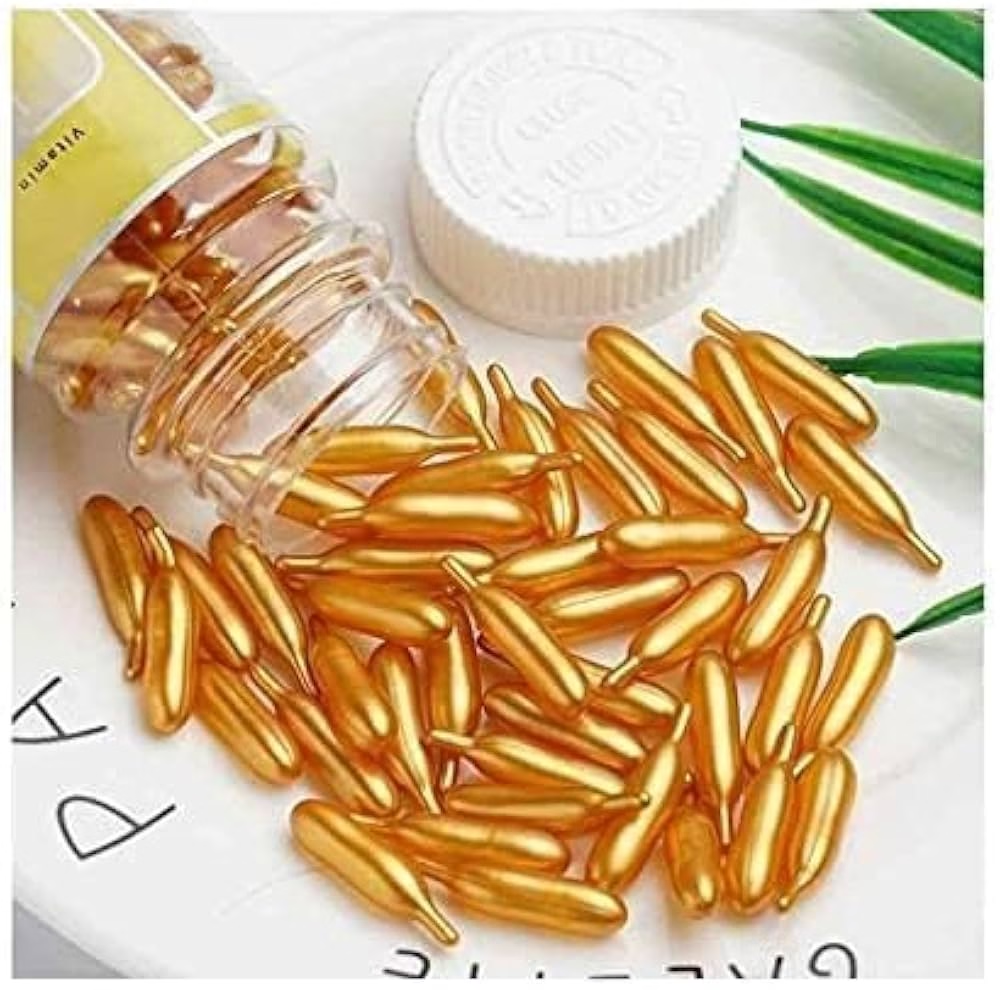
- Supplements: One of the simplest ways to get your dose of Vitamin E is through supplements. You can find Vitamin E capsules or softgels at your local pharmacy or health food store. Make sure to follow the recommended dosage on the packaging or consult with your healthcare provider for guidance.
- Topical application: Another way to use Vitamin E is by applying it directly to the affected area. You can purchase Vitamin E oil or cream and gently massage it into the skin where the yeast infection is present. This can help soothe irritation and promote healing.
- Dietary sources: Incorporating Vitamin E-rich foods into your diet can also be beneficial in treating yeast infections. Foods like almonds, sunflower seeds, spinach, and avocado are all great sources of Vitamin E. Including these foods in your meals can help boost your Vitamin E intake and support your body’s natural healing process.
- Soaking: For yeast infections in sensitive areas like the genitals, you can create a soothing Vitamin E bath. Add a few drops of Vitamin E oil to warm water and soak in it for 15-20 minutes. This can help alleviate discomfort and promote healing.
- Consult a healthcare provider: It’s important to remember that while Vitamin E can be a helpful addition to your treatment plan, it’s not a substitute for medical advice. If you’re experiencing persistent or severe yeast infections, it’s essential to consult a healthcare provider for proper diagnosis and treatment.
Remember, everyone’s body is different, so what works for one person may not work for another. It’s always best to listen to your body and seek professional guidance when needed. With a combination of Vitamin E and proper medical care, you can effectively manage and treat yeast infections, allowing you to feel more comfortable and confident in your own skin.
Potential risks or side effects of using Vitamin E for yeast infections
While Vitamin E can be a helpful supplement in treating yeast infections, it is essential to be aware of potential risks or side effects that may arise. Like any treatment or supplement, there are some considerations to keep in mind:
- Allergies: Some individuals may be allergic to Vitamin E supplements, which can lead to allergic reactions such as skin rashes, itching, or difficulty breathing. If you suspect you may have an allergy to Vitamin E, it is best to consult with your healthcare provider before using it for yeast infections.
- Overdose: Taking high doses of Vitamin E supplements can lead to Vitamin E toxicity, which can cause symptoms such as nausea, diarrhea, fatigue, and even an increased risk of bleeding. It is crucial to follow the recommended dosage guidelines provided by your healthcare provider to avoid vitamin E overdose.
- Interactions with medications: Vitamin E supplements may interact with certain medications, such as blood thinners or cholesterol-lowering medications. If you are taking any medications, it is essential to talk to your healthcare provider before incorporating Vitamin E into your yeast infection treatment to prevent any adverse reactions.
- Not a standalone treatment: While Vitamin E can help in the management of yeast infections, it is not a standalone treatment. It is important to use Vitamin E in conjunction with other treatments recommended by your healthcare provider for the most effective outcome.
It is always wise to consult with your healthcare provider before starting any new supplement, including Vitamin E, especially if you have any underlying health conditions or concerns. Your healthcare provider can provide personalized advice based on your individual health needs and help you determine the best course of action for treating yeast infections.
Remember, while Vitamin E can be beneficial in managing yeast infections, it is essential to use it safely and responsibly to avoid any potential risks or side effects. By being informed and cautious, you can make the most of Vitamin E’s therapeutic benefits in treating yeast infections.
Further Reading