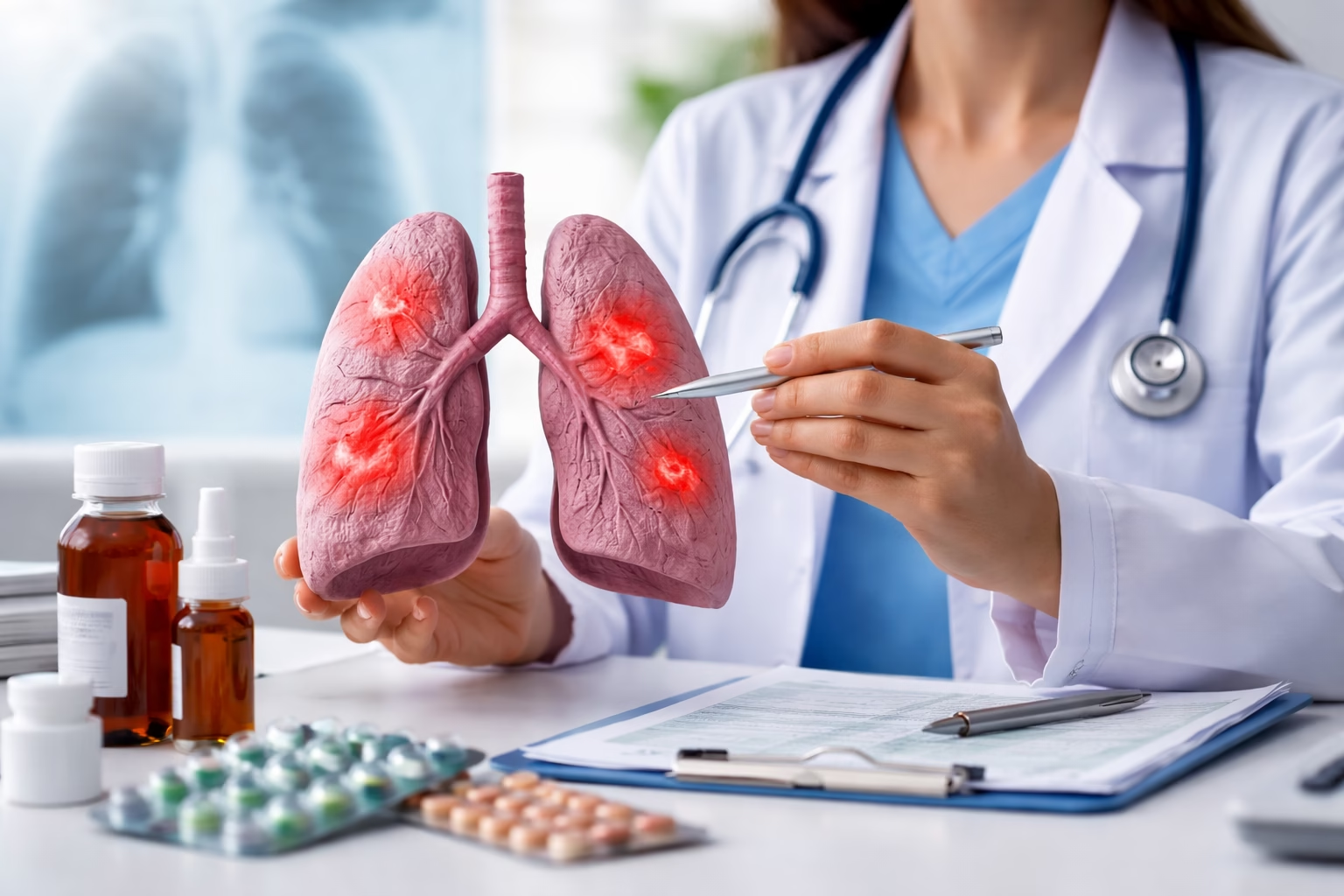
Recurrent pneumonia can be a challenging and concerning health issue for many individuals. It occurs when a person experiences multiple episodes of pneumonia within a certain period of time, often leading to frequent respiratory infections and complications. In this article, we will explore what recurrent pneumonia is, its causes, symptoms, diagnosis, treatment options, preventive measures, and lifestyle changes that can help manage this condition.
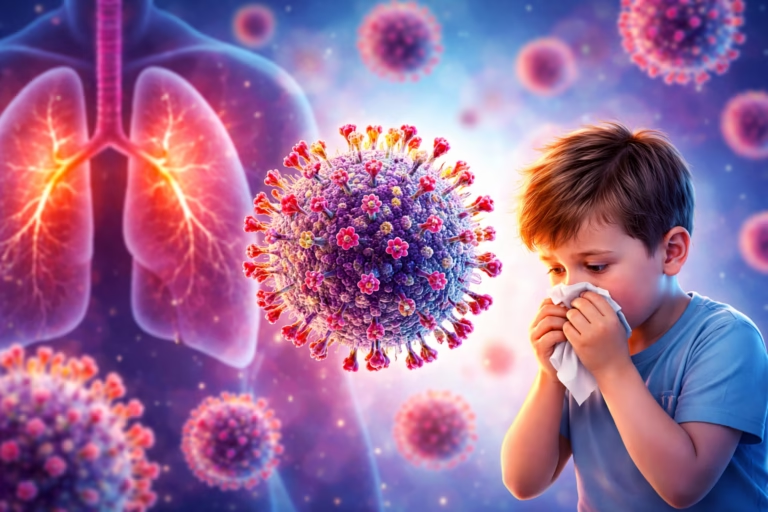
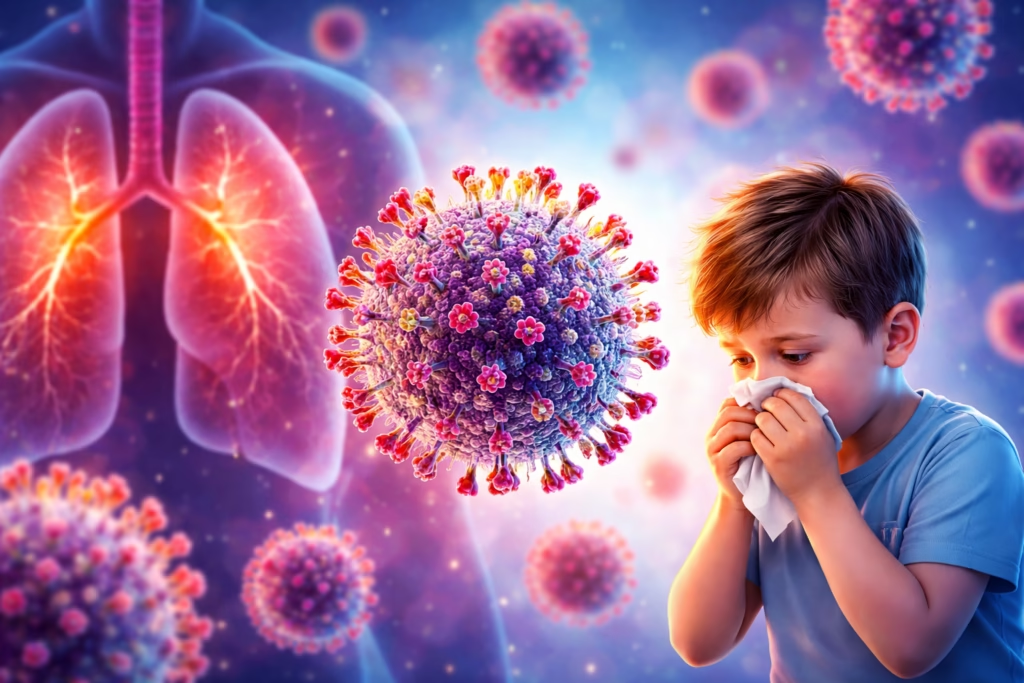
So, what exactly is recurrent pneumonia? Well, pneumonia is an infection that inflames the air sacs in one or both lungs. It can be caused by bacteria, viruses, or fungi, leading to symptoms such as cough, fever, chills, chest pain, and difficulty breathing. When someone experiences pneumonia more than once in a year or over multiple years, it is considered recurrent pneumonia.
Recurrent pneumonia can be a sign of an underlying health issue or risk factor that makes a person more susceptible to respiratory infections. It can also indicate that previous pneumonia episodes were not fully treated or that the immune system is compromised in some way. Therefore, it is essential to understand the causes and risk factors associated with recurrent pneumonia to effectively manage and prevent it.
While recurrent pneumonia can affect individuals of all ages, it is more common in older adults, young children, and people with weakened immune systems. People with chronic conditions such as asthma, COPD, heart disease, or diabetes are also at a higher risk of developing recurrent pneumonia. Additionally, lifestyle factors like smoking, poor nutrition, and exposure to environmental toxins can increase the likelihood of experiencing multiple pneumonia episodes.
It is important to recognize the signs and symptoms of recurrent pneumonia, as early detection and treatment can help prevent complications and improve outcomes. If you or a loved one experience recurrent episodes of pneumonia, it is crucial to seek medical attention and undergo a thorough evaluation to determine the underlying cause and develop an appropriate treatment plan.
In the following sections, we will delve deeper into the causes, symptoms, diagnosis, treatment options, preventive measures, and lifestyle changes that can help manage and reduce the risk of recurrent pneumonia. By understanding the complexities of this condition and taking proactive steps to address it, individuals can improve their respiratory health and overall well-being.
Causes of Recurrent Pneumonia
Picture this: you’ve had pneumonia before, and just when you thought you were in the clear, it comes back. Recurrent pneumonia can be frustrating and concerning, but understanding the underlying causes can help you take steps to prevent future episodes.
1. Weakened Immune System: One of the most common causes of recurrent pneumonia is a weakened immune system. This can be due to various factors such as chronic diseases like diabetes or HIV, aging, smoking, or certain medications that suppress the immune system.
2. Underlying Health Conditions: Certain underlying health conditions can increase the risk of recurrent pneumonia. Conditions like asthma, COPD (Chronic Obstructive Pulmonary Disease), heart disease, or lung diseases can make you more susceptible to pneumonia.
3. Environmental Factors: Exposure to environmental factors like pollutants, chemicals, or allergens can irritate your lungs and make you more prone to developing pneumonia. Living in crowded or poorly ventilated areas can also increase your risk.
4. Smoking: Smoking damages your lungs and weakens your immune system, making you more susceptible to respiratory infections like pneumonia. If you smoke, quitting is crucial to reducing your risk of recurrent pneumonia.
5. Aspiration: When food, liquids, or saliva accidentally enter the lungs instead of going down the esophagus, it can lead to aspiration pneumonia. This can happen in people with swallowing difficulties, neurological conditions, or those who are unconscious.
6. Reinfection: In some cases, recurrent pneumonia can occur due to reinfection with different strains of bacteria, viruses, or fungi. This can happen if proper treatment wasn’t completed or if you come into contact with someone who has a contagious respiratory infection.
By understanding these causes, you can work with your healthcare provider to identify any underlying issues that may be contributing to your recurrent pneumonia. Taking steps to address these factors, such as managing chronic conditions, avoiding environmental triggers, quitting smoking, practicing good hygiene, and getting vaccinated, can help reduce your risk of experiencing recurrent pneumonia episodes.
Symptoms of Recurrent Pneumonia
So, you’ve been experiencing recurrent pneumonia, and you’re probably wondering what symptoms to look out for. Well, let’s break it down for you in a simple and easy-to-understand manner.
- Cough: One of the most common symptoms of recurrent pneumonia is a persistent cough. This cough may produce phlegm or mucus, and it can be accompanied by chest pain.
- Shortness of breath: If you find yourself struggling to catch your breath, especially during physical activity or even at rest, it could be a sign of recurrent pneumonia.
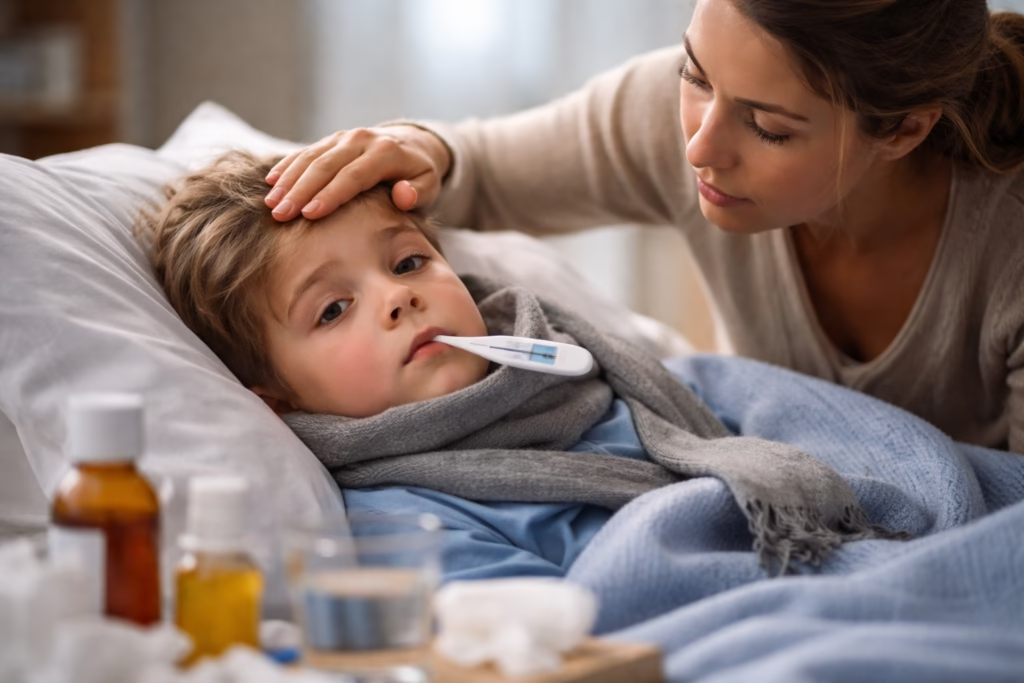
- Fever: A high fever, usually above 100.4°F (38°C), is a typical symptom of pneumonia. It’s your body’s way of fighting off the infection.
- Fatigue: Feeling tired and lethargic can be a common symptom of recurrent pneumonia. Your body is working hard to fight off the infection, which can leave you feeling drained.
- Chest pain: You may experience sharp or stabbing chest pain when breathing or coughing. This is due to inflammation in the lungs caused by pneumonia.
- Chills: If you’re feeling cold and shivery, even when you’re wrapped up in blankets, it could be a sign of recurrent pneumonia.
It’s important to note that these symptoms can vary from person to person, and some individuals may experience additional symptoms such as nausea, vomiting, or confusion.
If you are experiencing any of these symptoms, it’s crucial to seek medical attention promptly. Recurrent pneumonia can be serious, especially for individuals with weakened immune systems, older adults, or young children.
Your healthcare provider will be able to diagnose your condition accurately and recommend the appropriate treatment based on your symptoms and medical history. Don’t ignore these symptoms, as early detection and treatment are key to managing recurrent pneumonia effectively.
Remember, taking care of your health is essential, and knowing the signs and symptoms of recurrent pneumonia can help you stay proactive in managing your condition.
Diagnosis of Recurrent Pneumonia
So, you’ve been experiencing frequent episodes of pneumonia, and you’re wondering how healthcare professionals can diagnose this condition accurately. Let’s dive into the diagnostic process for recurrent pneumonia!
When you visit your doctor with symptoms of pneumonia, they will first conduct a physical examination to assess your overall health and listen to your lungs for any abnormal sounds. Based on your medical history and symptoms, your doctor may suspect recurrent pneumonia and recommend further tests to confirm the diagnosis.
One of the most common diagnostic tools for pneumonia is a chest X-ray. This imaging test allows healthcare providers to visualize your lungs and identify any areas of infection or inflammation. If your doctor suspects recurrent pneumonia, they may compare current X-ray results with previous ones to track the progression of the disease.
In some cases, a computed tomography (CT) scan may be ordered to provide a more detailed view of your lungs. This imaging test can help identify any complications or underlying conditions that may be contributing to your recurrent pneumonia.
To determine the specific cause of your pneumonia, your doctor may recommend a sputum culture. This test involves analyzing a sample of the mucus you cough up to identify the type of bacteria, virus, or fungus causing the infection. Based on these results, your doctor can prescribe targeted treatment to address the underlying cause of your recurrent pneumonia.
In some cases, a blood test may be recommended to check for elevated levels of infection-fighting cells, known as white blood cells, or to assess your overall immune system function. These blood tests can provide valuable information to guide your treatment plan and monitor your response to therapy.
If your doctor suspects an underlying condition contributing to your recurrent pneumonia, they may refer you to a specialist for further evaluation. Conditions such as asthma, chronic obstructive pulmonary disease (COPD), or immunodeficiency disorders can increase your risk of pneumonia and require specialized treatment.
Overall, the diagnostic process for recurrent pneumonia involves a combination of physical examinations, imaging tests, and laboratory studies to identify the underlying cause of your symptoms accurately. By working closely with your healthcare provider and following their recommendations, you can receive an accurate diagnosis and personalized treatment plan to manage your recurrent pneumonia effectively.
Remember, early diagnosis and prompt treatment are essential for preventing complications and improving your overall health. If you’re experiencing recurrent episodes of pneumonia, don’t hesitate to seek medical attention and work with your healthcare team to address your symptoms and reduce the risk of future infections.
Now that you understand the diagnostic process for recurrent pneumonia, you can take proactive steps to manage your condition and work towards better lung health. Stay informed, stay proactive, and prioritize your respiratory well-being!
Treatment Options for Recurrent Pneumonia
So, you’ve been dealing with recurrent pneumonia, and you’re looking for some guidance on how to manage and treat it effectively. Don’t worry, you’re in the right place! Let’s explore some treatment options that can help you get back on track to better respiratory health.
- Antibiotics: In most cases of pneumonia, antibiotics are the go-to treatment to combat the infection. Your doctor will prescribe the appropriate antibiotic based on the type of bacteria causing the pneumonia. It’s crucial to take the full course of antibiotics as prescribed to ensure that the infection is completely eradicated.
- Airway Clearance Techniques: If you have recurrent pneumonia due to underlying conditions like bronchiectasis or cystic fibrosis, your healthcare provider may recommend airway clearance techniques. These techniques help clear mucus from your airways, reducing the risk of infections.
- Vaccinations: Getting vaccinated against influenza and pneumococcal pneumonia can significantly reduce your risk of developing pneumonia. Make sure to stay up to date with your vaccinations to protect yourself from these infections.
- Respiratory Therapy: If you have chronic respiratory conditions that predispose you to recurrent pneumonia, respiratory therapy may be beneficial. Respiratory therapists can teach you techniques to improve your breathing and manage your condition more effectively.
- Lifestyle Changes: Making healthy lifestyle changes can also play a crucial role in managing recurrent pneumonia. Quitting smoking, eating a balanced diet, exercising regularly, and getting an adequate amount of sleep can boost your immune system and enhance your overall respiratory health.
- Supplemental Oxygen: In severe cases of pneumonia or if you have underlying lung conditions, your doctor may prescribe supplemental oxygen therapy to help you breathe more easily and improve your oxygen levels.
- Regular Follow-ups: It’s essential to follow up with your healthcare provider regularly to monitor your respiratory health, adjust your treatment plan if needed, and address any concerns or symptoms promptly.
Remember, it’s crucial to work closely with your healthcare provider to develop a personalized treatment plan tailored to your specific needs and medical history. By following their recommendations and staying proactive in managing your respiratory health, you can effectively reduce the frequency and severity of recurrent pneumonia episodes.
Now that you’re armed with information on treatment options for recurrent pneumonia, you can take proactive steps towards better respiratory health. Stay informed, stay vigilant, and don’t hesitate to reach out to your healthcare provider if you have any questions or concerns. Your respiratory health is important, so take charge of it and prioritize your well-being. You’ve got this!
Preventive Measures for Recurrent Pneumonia
Dealing with recurrent pneumonia can be quite challenging, but there are steps you can take to help prevent future episodes. By following these preventive measures, you can reduce your risk of developing pneumonia again:
1. Vaccinations:
- Make sure to stay up to date on all recommended vaccinations, including the pneumococcal vaccine and the flu vaccine. These vaccines can help protect you from infections that can lead to pneumonia.
2. Practice good hygiene:
- Wash your hands frequently with soap and water, especially before eating or touching your face. This simple step can help prevent the spread of germs that can cause pneumonia.
- Avoid close contact with people who are sick, and if you are sick, stay home to prevent spreading illness to others.
3. Maintain a healthy lifestyle:
- Eat a balanced diet rich in fruits, vegetables, and whole grains to support your immune system.
- Exercise regularly to keep your body strong and healthy.
- Avoid smoking and limit alcohol intake, as these habits can weaken your immune system and make you more susceptible to infections.
4. Avoid respiratory irritants:
- Avoid exposure to cigarette smoke, air pollution, and other respiratory irritants that can increase your risk of developing pneumonia.
- If you have allergies or asthma, work with your healthcare provider to manage your symptoms and reduce inflammation in your airways.
5. Stay hydrated:
- Drink plenty of water throughout the day to keep your respiratory system moist and help prevent infections.
By following these preventive measures, you can reduce your risk of recurrent pneumonia and stay healthy and strong. Remember, if you have any concerns or symptoms of pneumonia, be sure to consult with your healthcare provider for proper diagnosis and treatment.
Lifestyle Changes to Manage Recurrent Pneumonia
Living with recurrent pneumonia can be challenging, but there are lifestyle changes you can make to help manage the condition and reduce the risk of future infections. Here are some tips to keep in mind:
1. Quit Smoking
If you smoke, it’s crucial to quit as soon as possible. Smoking damages your lungs and weakens your immune system, making you more susceptible to respiratory infections like pneumonia. Seek support from healthcare professionals or join a smoking cessation program to help you quit for good.
2. Maintain Good Hygiene
Practicing good hygiene, such as washing your hands regularly, can help prevent the spread of bacteria and viruses that can cause pneumonia. Avoid close contact with people who are sick, and clean and disinfect surfaces frequently to reduce the risk of infection.
3. Stay Active
Regular exercise can help improve your lung function and strengthen your immune system, reducing the likelihood of recurrent pneumonia. Aim for at least 30 minutes of moderate physical activity most days of the week, such as walking, biking, or swimming.
4. Eat a Healthy Diet
Eating a balanced diet rich in fruits, vegetables, whole grains, and lean protein can help support your immune system and overall health. Include foods high in vitamins C and E, as well as zinc, to boost your immune response and protect against infections.
5. Get Vaccinated
Make sure to stay up to date on vaccinations, particularly the pneumococcal vaccine and the annual flu shot. These vaccines can help protect you from respiratory infections, including pneumonia, and reduce the severity of symptoms if you do get sick.
6. Manage Chronic Conditions
If you have underlying health conditions like asthma, COPD, or diabetes, it’s essential to manage them effectively. Keep up with your medications, follow your healthcare provider’s recommendations, and attend regular check-ups to prevent complications that could lead to recurrent pneumonia.
7. Avoid Crowded Places
Avoiding crowded places, especially during flu season or when there’s a higher risk of respiratory infections, can help reduce your exposure to germs and viruses. Consider wearing a mask in crowded settings or when around sick individuals to protect yourself from infections.
By incorporating these lifestyle changes into your daily routine, you can help manage recurrent pneumonia and improve your overall health and well-being. Remember to consult with your healthcare provider for personalized advice and guidance on how to best care for your condition.
Further Reading