Hypertension and Tachycardia: A Comprehensive Clinical Overview
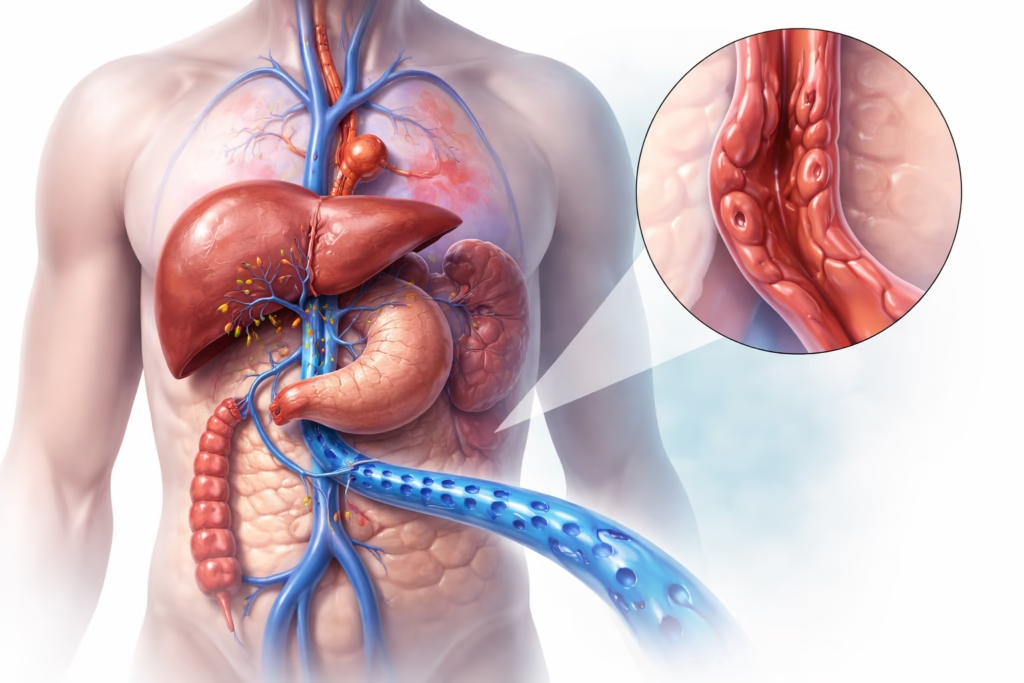
Hypertension and tachycardia are two prevalent cardiovascular conditions that frequently coexist and interact in clinically significant ways. Hypertension refers to persistently elevated arterial blood pressure, while tachycardia denotes an abnormally increased heart rate. Although each condition can occur independently, their coexistence often reflects shared physiological mechanisms and risk factors.
A detailed understanding of their definitions, causes, diagnostic approaches, and management strategies is essential for reducing cardiovascular risk and improving long-term health outcomes.
Understanding Hypertension
Definition and Clinical Significance
Hypertension is defined as a sustained elevation in arterial blood pressure, typically above 130/80 mm Hg. This persistent increase places additional strain on the vascular system and forces the heart to work harder to maintain adequate circulation.
Over time, uncontrolled hypertension contributes to structural and functional damage in vital organs, including the heart, brain, and kidneys. Consequently, it is a major risk factor for myocardial infarction, stroke, and chronic kidney disease.
Types of Hypertension
Primary (Essential) Hypertension
This is the most common form and develops gradually without a clearly identifiable cause. It is influenced by genetic predisposition and long-term lifestyle factors.
Secondary Hypertension
This form arises from underlying medical conditions such as renal disease, endocrine disorders, or medication effects. Identifying and treating the underlying cause is central to management.
Key Risk Factors
Age
The likelihood of developing hypertension increases with age due to progressive vascular changes and reduced arterial elasticity.
Genetic Predisposition
A family history of hypertension significantly elevates individual risk, reflecting inherited physiological tendencies.
Lifestyle Factors
Sedentary behavior, high sodium intake, obesity, smoking, and excessive alcohol consumption contribute to elevated blood pressure.
Comorbid Conditions
Diseases such as diabetes, sleep apnea, and chronic stress further exacerbate cardiovascular strain.
Understanding Tachycardia
Definition and Clinical Relevance
Tachycardia is defined as a resting heart rate exceeding 100 beats per minute. While it may occur as a normal physiological response to stress or exercise, persistent or inappropriate tachycardia may indicate underlying pathology.
Sustained elevation in heart rate increases myocardial oxygen demand and may compromise cardiac efficiency over time.
Types of Tachycardia
Supraventricular Tachycardia
Originates in the upper chambers of the heart and often presents with sudden episodes of rapid heart rate.
Ventricular Tachycardia
Arises from the lower chambers and is considered more serious due to its association with life-threatening arrhythmias.
Sinus Tachycardia
Represents a normal increase in heart rate in response to physiological stressors such as fever, anxiety, or exertion.
Causes of Tachycardia
Physiological Triggers
Stress, dehydration, fever, and physical exertion can transiently elevate heart rate.
Pathological Causes
Cardiovascular disease, electrolyte imbalances, thyroid dysfunction, and stimulant use are common contributors.
Overlapping Causes and Shared Risk Factors
Hypertension and tachycardia frequently share common etiological pathways.
Neurohormonal Activation
Elevated levels of stress hormones such as adrenaline and cortisol increase both heart rate and blood pressure.
Lifestyle Influences
Poor dietary habits, lack of physical activity, and substance use contribute to both conditions simultaneously.
Underlying Medical Disorders
Conditions such as obesity, anemia, thyroid disease, and chronic kidney disease can exacerbate both hypertension and tachycardia.
Substance Use
Caffeine, nicotine, and illicit drugs stimulate the cardiovascular system, leading to concurrent increases in heart rate and blood pressure.
Signs and Symptoms
Hypertension
Hypertension is often asymptomatic in its early stages, which is why it is frequently referred to as a silent condition.
Advanced Symptoms
When symptoms do occur, they may include headaches, visual disturbances, nosebleeds, and shortness of breath. These typically indicate more advanced or uncontrolled disease.
Tachycardia
Palpitations
Patients may experience a sensation of rapid or irregular heartbeats.
Dizziness and Lightheadedness
Reduced cardiac efficiency can lead to decreased cerebral perfusion.
Respiratory Symptoms
Shortness of breath may occur due to increased cardiac workload.
Chest Discomfort
In some cases, rapid heart rate may cause chest pain or pressure.
Syncope
Severe tachycardia can lead to fainting due to inadequate blood flow to the brain.
Diagnosis and Monitoring
Blood Pressure Measurement
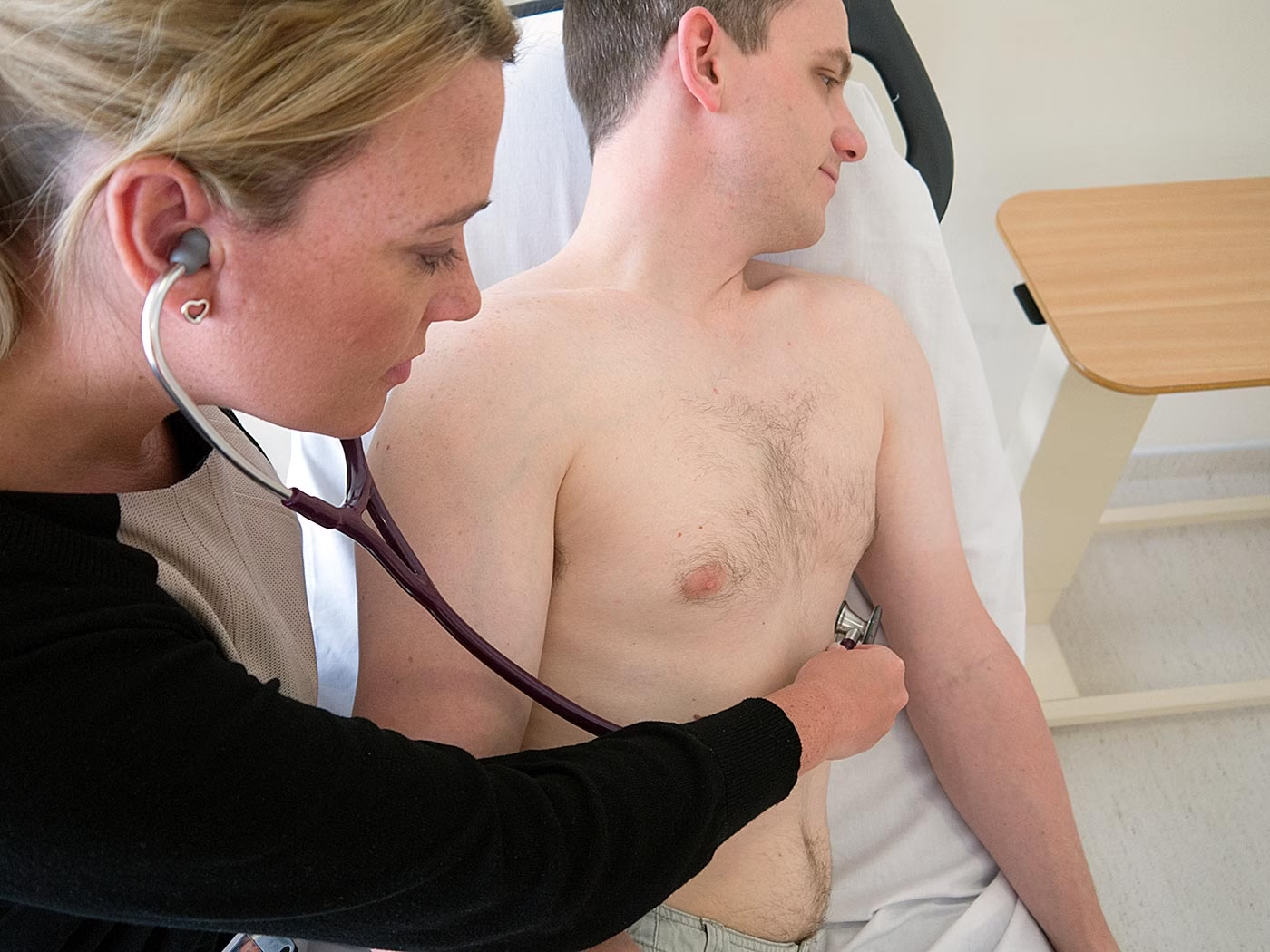
Accurate and repeated measurements are essential for diagnosing hypertension. Home monitoring may complement clinical assessments.
Electrocardiography
An electrocardiogram records the electrical activity of the heart and is essential for identifying arrhythmias associated with tachycardia.
Ambulatory Monitoring
Devices such as Holter monitors provide continuous heart rate data over extended periods, allowing detection of intermittent abnormalities.
Laboratory Investigations
Blood tests evaluate thyroid function, kidney health, and electrolyte balance, all of which influence cardiovascular stability.
Echocardiography
Ultrasound imaging of the heart assesses structural integrity and functional performance, particularly in patients with suspected underlying cardiac disease.
Treatment and Management Strategies
Lifestyle Modifications
Dietary Interventions
A heart-healthy diet rich in fruits, vegetables, whole grains, and lean proteins supports vascular health. Reducing sodium intake helps control blood pressure.
Physical Activity
Regular aerobic exercise improves cardiovascular efficiency and reduces both heart rate and blood pressure.
Weight Management
Maintaining a healthy body weight decreases cardiac workload and improves overall outcomes.
Stress Management
Techniques such as meditation, controlled breathing, and yoga help regulate autonomic nervous system activity.
Limiting Stimulants
Reducing intake of caffeine, tobacco, and alcohol minimizes cardiovascular stimulation.
Pharmacological Treatment for Hypertension
Diuretics
These medications reduce fluid volume, thereby lowering blood pressure.
ACE Inhibitors and ARBs
They act on the renin-angiotensin system to relax blood vessels and decrease resistance.
Calcium Channel Blockers
These agents reduce vascular contraction and improve blood flow.
Beta-Blockers
They decrease heart rate and cardiac output, contributing to blood pressure control.
Pharmacological Treatment for Tachycardia
Beta-Blockers
These medications slow the heart rate and reduce myocardial oxygen demand.
Calcium Channel Blockers
They help regulate heart rhythm and control electrical conduction.
Antiarrhythmic Agents
Used in more severe cases to restore and maintain normal cardiac rhythm.
Interventional Procedures
In selected cases, catheter ablation or pacemaker implantation may be necessary to correct abnormal electrical pathways.
Preventing Complications
Effective management of both conditions reduces the risk of severe outcomes.
Cardiovascular Events
Control of blood pressure and heart rate lowers the risk of heart attack and heart failure.
Neurological Complications
Stroke and transient ischemic attacks are less likely with proper management.
Renal Protection
Maintaining stable blood pressure preserves kidney function.
Cognitive Health
Long-term cardiovascular stability supports brain health and reduces the risk of cognitive decline.
Practical Strategies for Daily Management
Self-Monitoring
Tracking blood pressure and heart rate provides valuable insights into treatment effectiveness.
Hydration
Adequate fluid intake supports cardiovascular stability.
Nutritional Awareness
Reading food labels helps identify hidden sodium and unhealthy additives.
Social Support
Engaging with family, friends, or support groups enhances adherence to lifestyle changes.
Patient Education
Understanding individual triggers and warning signs empowers proactive management.
Conclusion
Hypertension and tachycardia are interconnected cardiovascular conditions that require a comprehensive and coordinated management approach. Early diagnosis, consistent monitoring, and a combination of lifestyle modifications and pharmacological therapies are central to effective control.
Moreover, patient engagement and collaboration with healthcare providers play a critical role in achieving optimal outcomes. With sustained effort and informed decision-making, individuals can significantly reduce cardiovascular risk and maintain a high quality of life.