
Welcome to the world of pneumonia hospitalization! While it may not be the most glamorous of settings, it is an essential step in treating this serious respiratory infection. Let’s dive into what you can expect during your stay at the hospital.
Symptoms and Diagnosis of Pneumonia
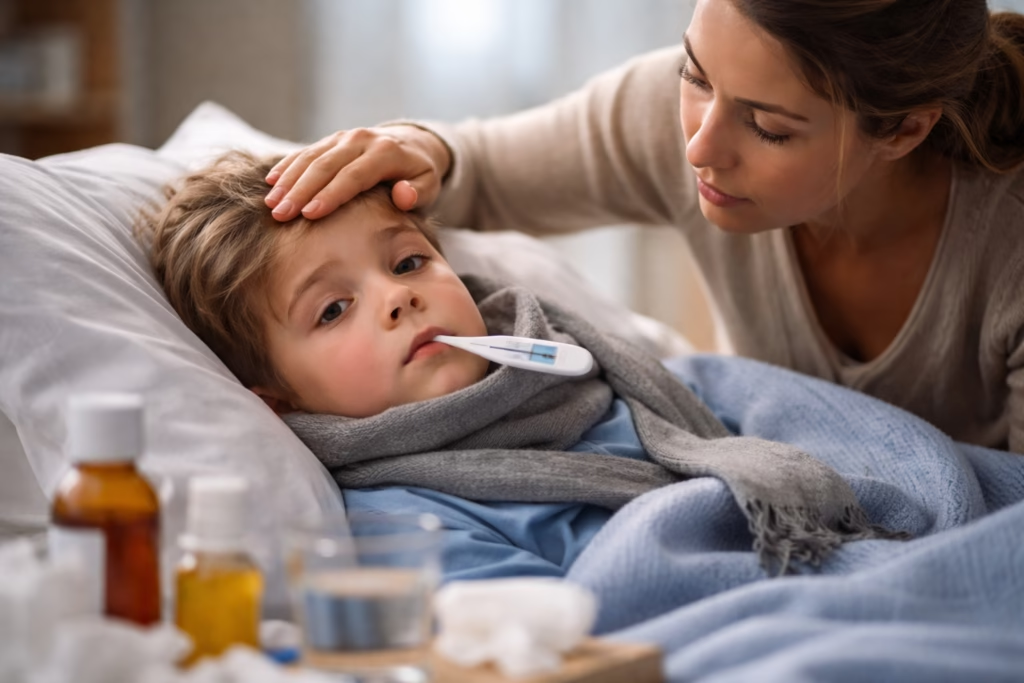
Hey there! So, you’re feeling under the weather and suspect you might have pneumonia? Let’s talk about the symptoms and how it’s diagnosed.
Common Symptoms:
- Cough: A persistent cough that may produce thick mucus.
- Fever: High fever, sweating, and chills are common.
- Shortness of Breath: Difficulty breathing, especially when exerting yourself.
- Chest Pain: Sharp chest pain that gets worse with coughing or deep breathing.
- Fatigue: Feeling tired and weak, even with mild activities.
If you’re experiencing these symptoms, it’s essential to see a healthcare provider for a proper diagnosis.
Diagnosis:
When you visit a doctor, they’ll likely perform a physical exam and ask about your symptoms. They may also recommend the following tests to confirm pneumonia:
- Chest X-ray: This imaging test can show any inflammation or infection in your lungs.
- Blood Tests: Bloodwork can reveal the presence of an infection and help determine the cause.
- Sputum Test: Analyzing a sample of mucus coughed up from your lungs can identify the specific germ causing the pneumonia.
- Pulse Oximetry: This painless test measures the oxygen levels in your blood, which can indicate how well your lungs are functioning.
Based on the results of these tests, your healthcare provider can determine the type of pneumonia you have and recommend an appropriate treatment plan.
Remember, early detection and treatment are key to a speedy recovery from pneumonia. So, if you’re experiencing symptoms, don’t hesitate to seek medical attention.
Importance of Hospitalization for Pneumonia
Hey there! So you’ve been diagnosed with pneumonia, and your doctor has recommended hospitalization. It might feel scary or overwhelming, but trust me, hospitalization for pneumonia is crucial for your recovery and well-being. Let me break it down for you in a simple and friendly way.
1. Monitoring and Treatment:
When you’re hospitalized for pneumonia, you’ll have round-the-clock care from a team of medical professionals. They will monitor your symptoms, oxygen levels, and overall health closely. This ensures that any complications are caught early and treated promptly. You’ll receive the right medications, fluids, and treatments tailored to your specific condition, giving you the best chance at a speedy recovery.
2. Oxygen Therapy:
Pneumonia can cause difficulty breathing, leading to low oxygen levels in your body. In the hospital, you may receive oxygen therapy to help your lungs function better and improve your oxygen saturation levels. This can help reduce the strain on your body and support your recovery process.
3. Intravenous (IV) Fluids:
Dehydration is a common concern in pneumonia patients, especially if you’re experiencing fever, coughing, and difficulty eating or drinking. Hospitalization allows for the administration of IV fluids to keep you hydrated and maintain your electrolyte balance. This supports your immune system and helps your body fight off the infection more effectively.
4. Close Observation for Complications:
Pneumonia can sometimes lead to serious complications, such as respiratory failure or sepsis. By being in the hospital, you’ll have constant monitoring to detect any signs of worsening illness or complications. Early intervention can make a significant difference in your outcome and prevent any serious consequences.
5. Supportive Care and Rest:
Lastly, being in the hospital for pneumonia allows you to rest and recover in a controlled environment. You’ll have access to supportive care, including respiratory therapy, physical therapy, and nutritional support. This holistic approach ensures that you’re not just treated for the infection but also supported in your overall well-being during the recovery process.
Remember, pneumonia can be a serious illness, especially for vulnerable populations like the elderly or those with weakened immune systems. Hospitalization provides the necessary level of care and attention to give you the best chance at a full recovery. So, trust your healthcare team, follow their recommendations, and focus on getting better – you’ve got this!
Treatment Options in the Hospital Setting
When it comes to pneumonia, seeking medical attention and receiving appropriate treatment is crucial for a speedy recovery. In some cases, hospitalization may be necessary to effectively manage the condition and prevent potential complications. Here are some common treatment options available in the hospital setting:
1. Antibiotics
Antibiotics are often prescribed to treat bacterial pneumonia, which is the most common type of pneumonia. These medications help fight off the infection and reduce symptoms. It’s important to take antibiotics as prescribed by your healthcare provider to ensure the infection is properly treated.
2. Oxygen Therapy
If pneumonia is causing difficulty breathing or low oxygen levels, oxygen therapy may be administered in the hospital. This involves providing supplemental oxygen through a mask or nasal cannula to help improve oxygen levels in the blood and alleviate shortness of breath.
3. Intravenous Fluids
Dehydration is a common complication of pneumonia, especially in severe cases. In the hospital, intravenous (IV) fluids may be given to help maintain hydration levels and support overall recovery. This is especially important for older adults and those with underlying health conditions.
4. Respiratory Therapy
Respiratory therapists play a key role in the treatment of pneumonia by providing breathing treatments, chest physiotherapy, and other interventions to help improve lung function. These therapies can help clear mucus from the lungs and improve respiratory function.
5. Monitoring and Observation
During hospitalization for pneumonia, healthcare providers will closely monitor your symptoms, oxygen levels, and overall condition. Regular assessments and observations are essential to track progress and make necessary adjustments to the treatment plan.
6. Supportive Care
Receiving supportive care in the hospital can help alleviate symptoms and promote recovery. This may include pain management, fever reduction, and nutritional support to help strengthen the immune system and aid in healing.
Overall, hospitalization for pneumonia provides a structured and comprehensive approach to treatment, ensuring that you receive the necessary care and support to recover safely and effectively. Remember to follow your healthcare provider’s recommendations and communicate any concerns or changes in symptoms during your hospital stay.
Complications and Risks of Pneumonia Hospitalization
While hospitalization for pneumonia is crucial for proper treatment and care, it’s important to be aware of the potential complications and risks that may arise during this time. Understanding these factors can help you and your healthcare team navigate your recovery process effectively. Let’s take a closer look at some of the common complications and risks associated with pneumonia hospitalization:
1. Respiratory Complications
Pneumonia can affect your lungs and lead to respiratory complications such as acute respiratory distress syndrome (ARDS) or respiratory failure. These conditions may require intensive care and mechanical ventilation to support your breathing. It’s essential to monitor your respiratory status closely during hospitalization to prevent any further complications.
2. Bloodstream Infections
Pneumonia can sometimes lead to bloodstream infections, known as sepsis. This is a serious condition that can be life-threatening if not treated promptly. Your healthcare team will closely monitor your vital signs and blood tests to detect any signs of sepsis and provide appropriate treatment as needed.
3. Antibiotic Resistance
Overuse or misuse of antibiotics in the treatment of pneumonia can lead to antibiotic resistance, making it challenging to treat the infection effectively. Your healthcare team will carefully select the appropriate antibiotics and monitor your response to treatment to ensure optimal outcomes. It’s essential to follow your healthcare provider’s instructions and complete the full course of antibiotics to reduce the risk of antibiotic resistance.
4. Delirium and Cognitive Impairment
Pneumonia and the stress of hospitalization can sometimes lead to delirium or cognitive impairment, especially in older adults. It’s essential to provide a supportive environment and engage in cognitive stimulation activities to prevent or manage these symptoms. Your healthcare team can help address any cognitive changes and provide necessary support during your recovery.
5. Nutritional Deficiencies
Pneumonia can affect your appetite and lead to nutritional deficiencies, impacting your overall health and recovery. Your healthcare team may work with a dietitian to ensure you receive adequate nutrition and hydration during your hospital stay. It’s crucial to maintain a balanced diet and stay hydrated to support your immune system and promote healing.
By being aware of these potential complications and risks of pneumonia hospitalization, you can work collaboratively with your healthcare team to address any challenges that may arise during your recovery. Communication and active participation in your care are key to a successful outcome. Remember to follow your healthcare provider’s recommendations, attend follow-up appointments, and practice good self-care to promote a smooth recovery process. Stay positive, stay informed, and take care of yourself!
Recovery and Follow-Up Care After Hospitalization
So, you’ve been discharged from the hospital after a bout of pneumonia – now what? Recovery is a crucial phase that requires attention and care to ensure you bounce back to your full health. Here are some tips and recommendations for your post-hospitalization journey:
1. Follow Your Doctor’s Instructions
First and foremost, make sure to adhere to the instructions given by your healthcare provider. This may include taking medications as prescribed, attending follow-up appointments, and following any specific guidelines for your recovery.
2. Get Plenty of Rest
Rest is essential for your body to heal and recover from pneumonia. Make sure to get adequate sleep and avoid strenuous activities that may hinder your recovery process. Listen to your body and give it the rest it needs.
3. Stay Hydrated and Eat Nutritious Foods
Proper nutrition is key to rebuilding your strength and immunity after pneumonia. Make sure to drink plenty of fluids to stay hydrated and eat a balanced diet rich in vitamins and nutrients. Consult with your healthcare provider for any dietary recommendations tailored to your needs.
4. Gradually Increase Physical Activity
Once you start feeling better, you can slowly incorporate light physical activities into your routine. Start with gentle exercises like walking or stretching and gradually increase the intensity as you regain your strength. Avoid overexerting yourself and listen to your body’s signals.
5. Monitor Your Symptoms
Keep an eye on any lingering symptoms or new developments post-hospitalization. If you experience any concerning changes, such as persistent cough, difficulty breathing, or chest pain, contact your healthcare provider immediately. Early intervention is crucial in managing any potential complications.
6. Stay Connected with Your Support System
Recovery can be a challenging process, both physically and emotionally. Don’t hesitate to lean on your support system – whether it’s family, friends, or healthcare professionals. Sharing your concerns and progress with others can provide comfort and encouragement during your recovery journey.
7. Focus on Preventative Measures
While recovering from pneumonia, it’s essential to prioritize preventive measures to reduce the risk of recurrence. This may include practicing good hygiene, getting vaccinated as recommended by your healthcare provider, and avoiding exposure to respiratory infections. Incorporating these habits into your daily routine can help safeguard your health in the long run.
Remember, recovery is a gradual process that requires patience and self-care. By following these tips and staying proactive in your post-hospitalization care, you can optimize your recovery and pave the way for a healthier future. Don’t hesitate to reach out to your healthcare provider if you have any concerns or questions along the way. Your health and well-being are paramount, and taking proactive steps towards recovery is a vital part of that journey.
Prevention Strategies for Pneumonia
Hey there! Let’s talk about how you can protect yourself and your loved ones from pneumonia. Prevention is always better than cure, right?
Vaccination
One of the most effective ways to prevent pneumonia is by getting vaccinated. There are vaccines available for both bacterial and viral pneumonia. Make sure to check with your healthcare provider to see if you are up to date on your vaccinations. It’s like putting on a shield to protect yourself!
Good Hygiene Habits
Washing your hands regularly with soap and water can help prevent the spread of germs that can cause pneumonia. Remember to cover your mouth and nose when you cough or sneeze, and avoid touching your face with unwashed hands. It’s a simple habit that can go a long way in keeping you healthy.
Healthy Lifestyle Choices
Eating a balanced diet, staying active, and getting enough rest can help boost your immune system and lower your risk of getting sick. It’s like giving your body the superhero strength it needs to fight off infections!
Avoid Smoking and Limit Alcohol Intake
Smoking can weaken your lungs and make you more susceptible to respiratory infections like pneumonia. If you smoke, consider quitting to protect your respiratory health. Additionally, limiting alcohol intake can help keep your immune system strong and healthy. It’s like giving your lungs a breath of fresh air!
Avoid Close Contact with Sick Individuals
If someone you know is sick with a respiratory infection, try to avoid close contact with them to reduce your risk of getting sick. It’s like creating a force field around yourself to keep the germs at bay!
Clean and Disinfect Surfaces Regularly
Viruses and bacteria can linger on surfaces like doorknobs, countertops, and electronic devices. Make sure to clean and disinfect these surfaces regularly to prevent the spread of germs in your home or workplace. It’s like giving those germs a one-way ticket out of your space!
Stay Informed and Seek Medical Advice
Keep yourself informed about the latest guidelines and recommendations for preventing pneumonia. If you have any concerns or questions, don’t hesitate to reach out to your healthcare provider for advice. It’s like having a trusty sidekick to guide you on your journey to good health!
Remember, taking small steps every day to protect yourself and your loved ones can make a big difference in preventing pneumonia. Stay safe, stay healthy, and keep fighting the good fight against infections!
Further Reading