Introduction
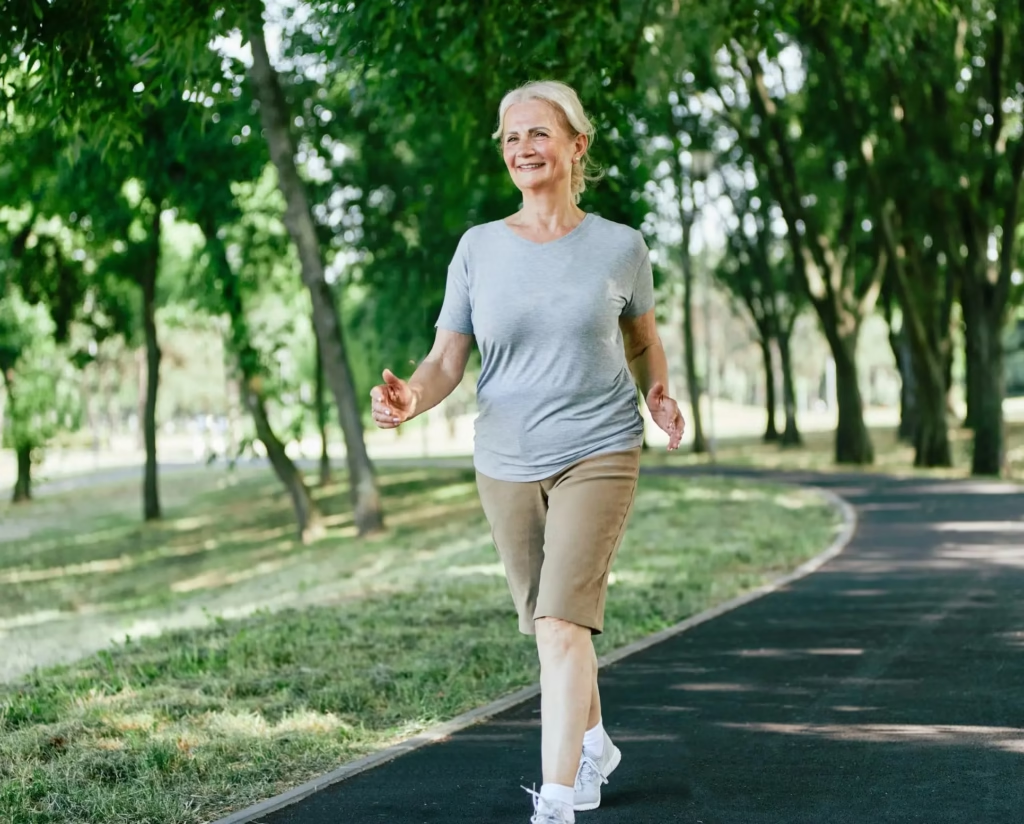
Aging is often associated with gradual declines in muscle strength, flexibility, and balance, alongside an increased risk of chronic conditions and functional limitations. However, structured physical activity remains one of the most effective strategies for preserving independence and enhancing quality of life in older adults.
Pilates, a low-impact and adaptable form of exercise, has gained recognition for its ability to address both physical and psychological aspects of aging. This article provides a comprehensive overview of Pilates, its health benefits for older adults, and practical guidance for safe and effective participation.
What Is Pilates?
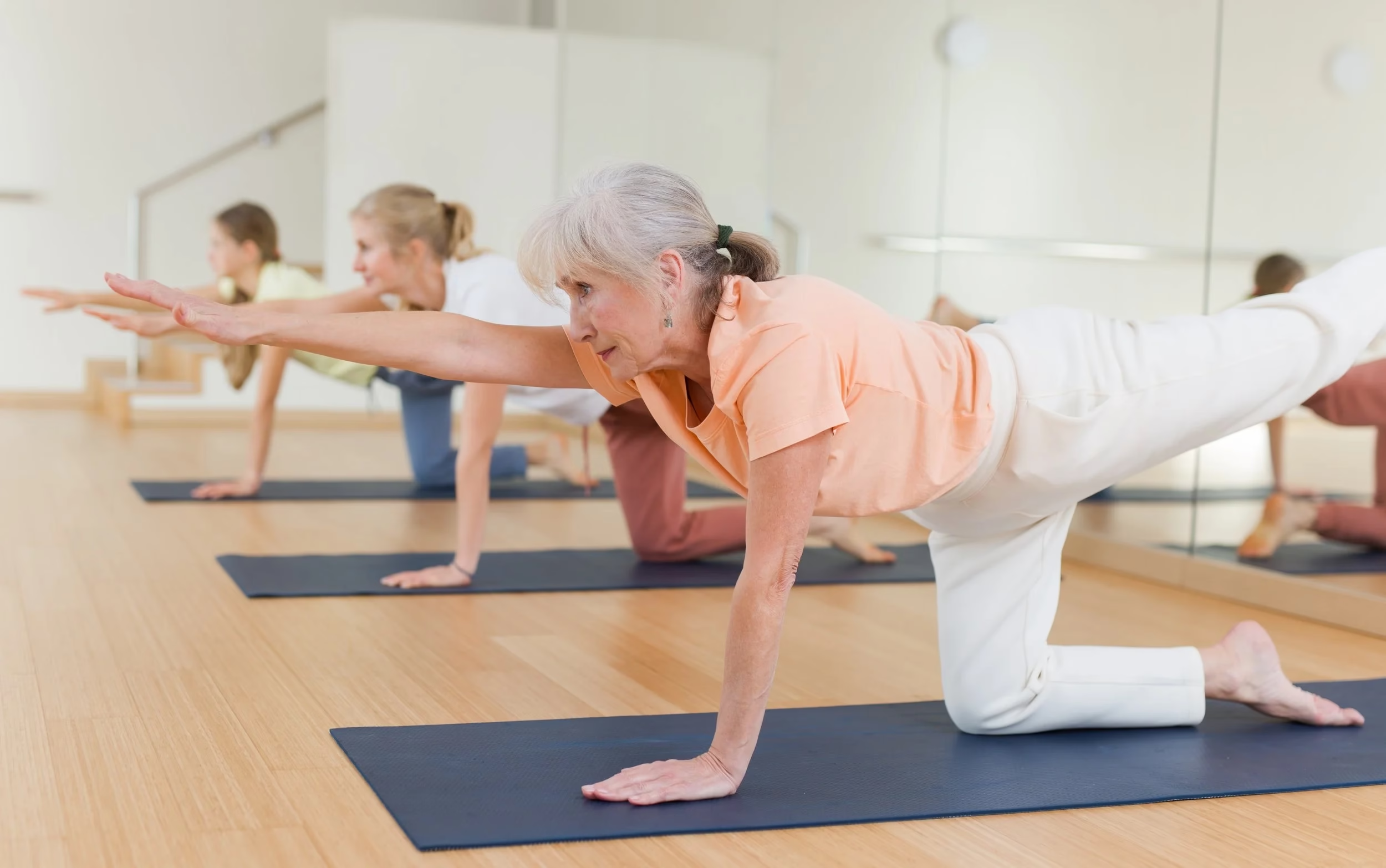
Pilates is a system of controlled physical exercises developed in the early twentieth century by Joseph Pilates. It emphasizes the integration of movement, breathing, and mental focus to improve overall body function.
Core Stability
A central principle of Pilates is the activation of the “powerhouse,” which includes the abdominal muscles, lower back, and pelvic region. Strengthening these muscles enhances spinal support and stability.
Controlled Movement
Exercises are performed with precision and control, reducing the risk of injury while promoting efficient muscle engagement.

Breathing Techniques
Coordinated breathing patterns are integral to Pilates practice. Controlled breathing supports muscle activation and improves oxygen delivery to tissues.
Flexibility and Balance
Pilates incorporates stretching and alignment exercises that improve joint mobility and balance, both of which are essential for functional independence.
Exercise Modalities
Pilates can be performed on a mat or using specialized equipment such as reformers or chairs. Its adaptable structure allows for modifications tailored to individual abilities and limitations.
Key Health Benefits of Pilates for Older Adults
Builds Strength and Muscle Tone
Pilates focuses on activating deep stabilizing muscles that are often underutilized in daily activities.
Functional Strength
Improved muscle strength enhances the ability to perform routine tasks such as standing up from a seated position, carrying objects, and climbing stairs.
Joint Support
Stronger muscles provide better support for joints, reducing mechanical stress and improving overall movement efficiency.
Bone Health
Although low-impact, Pilates provides gentle resistance that may contribute to maintaining bone density, particularly when combined with weight-bearing exercises.
Enhances Flexibility and Joint Mobility
Improved Range of Motion
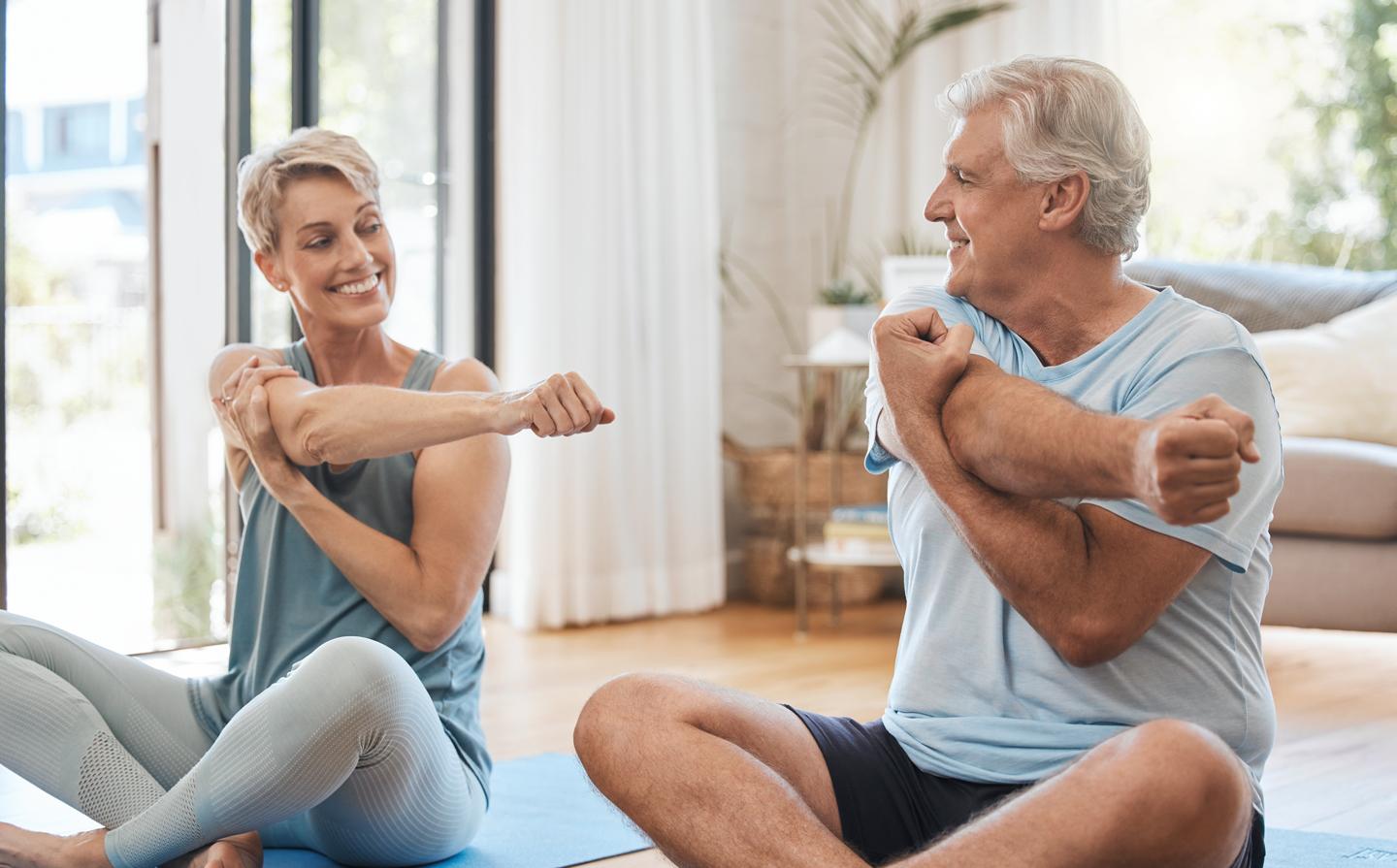
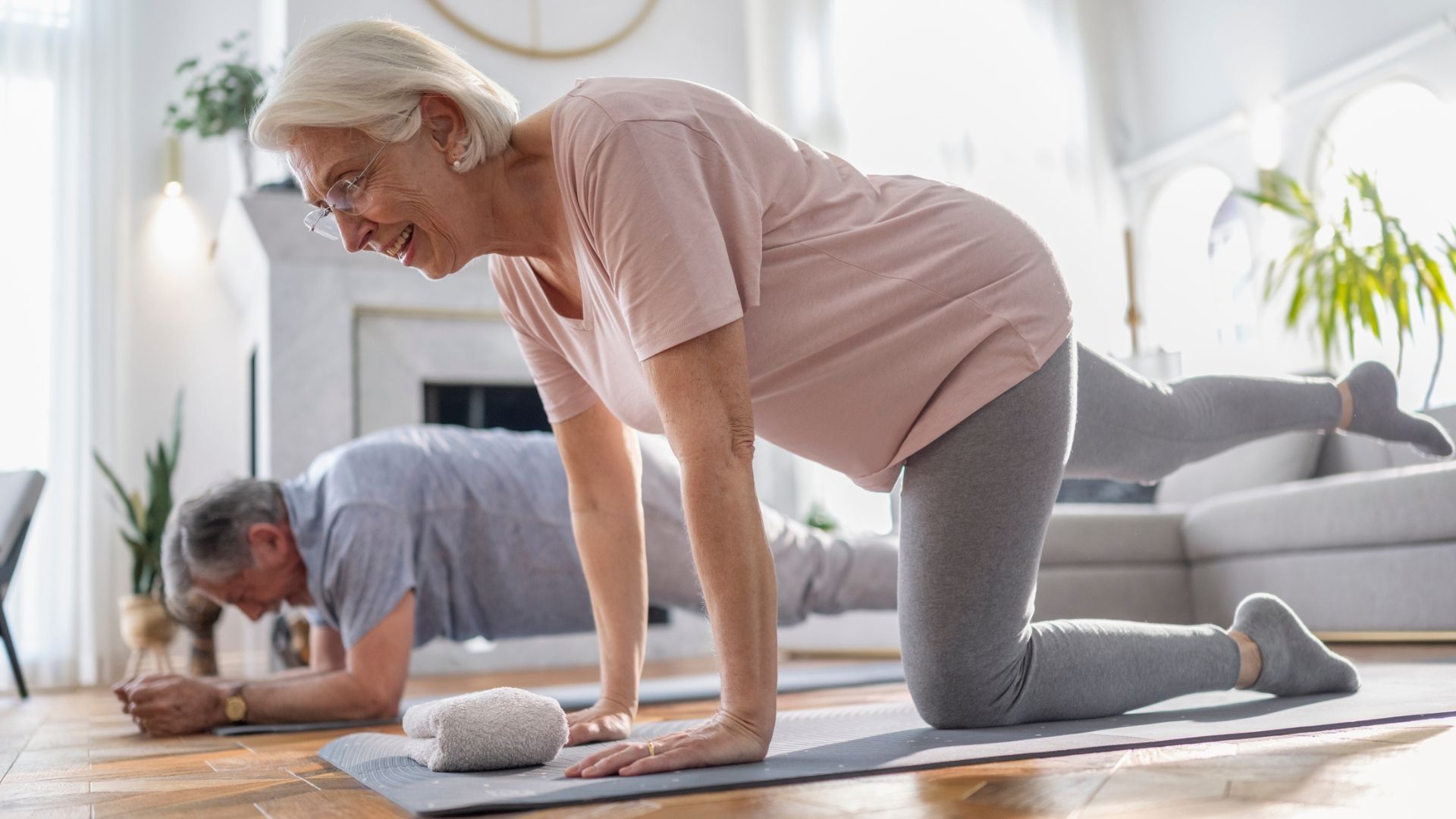
Regular stretching within Pilates routines increases joint mobility, allowing for smoother and more efficient movement patterns.
Reduction of Stiffness
Older adults often experience stiffness due to sedentary behavior or degenerative joint conditions. Pilates helps alleviate this stiffness through controlled stretching.
Injury Prevention
Enhanced flexibility reduces the likelihood of muscle strains and joint injuries during daily activities.
Boosts Balance and Posture
Postural Alignment
Pilates promotes proper alignment of the spine and pelvis, which helps correct postural imbalances commonly seen in older adults.
Fall Prevention
Improved balance and coordination significantly reduce the risk of falls, a major cause of injury in aging populations.
Pain Reduction
Better posture alleviates strain on the neck and lower back, contributing to reduced musculoskeletal discomfort.
Supports Mental Well-Being
Stress Reduction
The integration of breathing and movement fosters relaxation and reduces stress levels.
Enhanced Body Awareness
Pilates encourages mindful movement, improving proprioception and coordination.
Social Engagement
Participation in group classes provides opportunities for social interaction, which is important for emotional well-being and cognitive health.
Assists in Managing Chronic Conditions
Arthritis
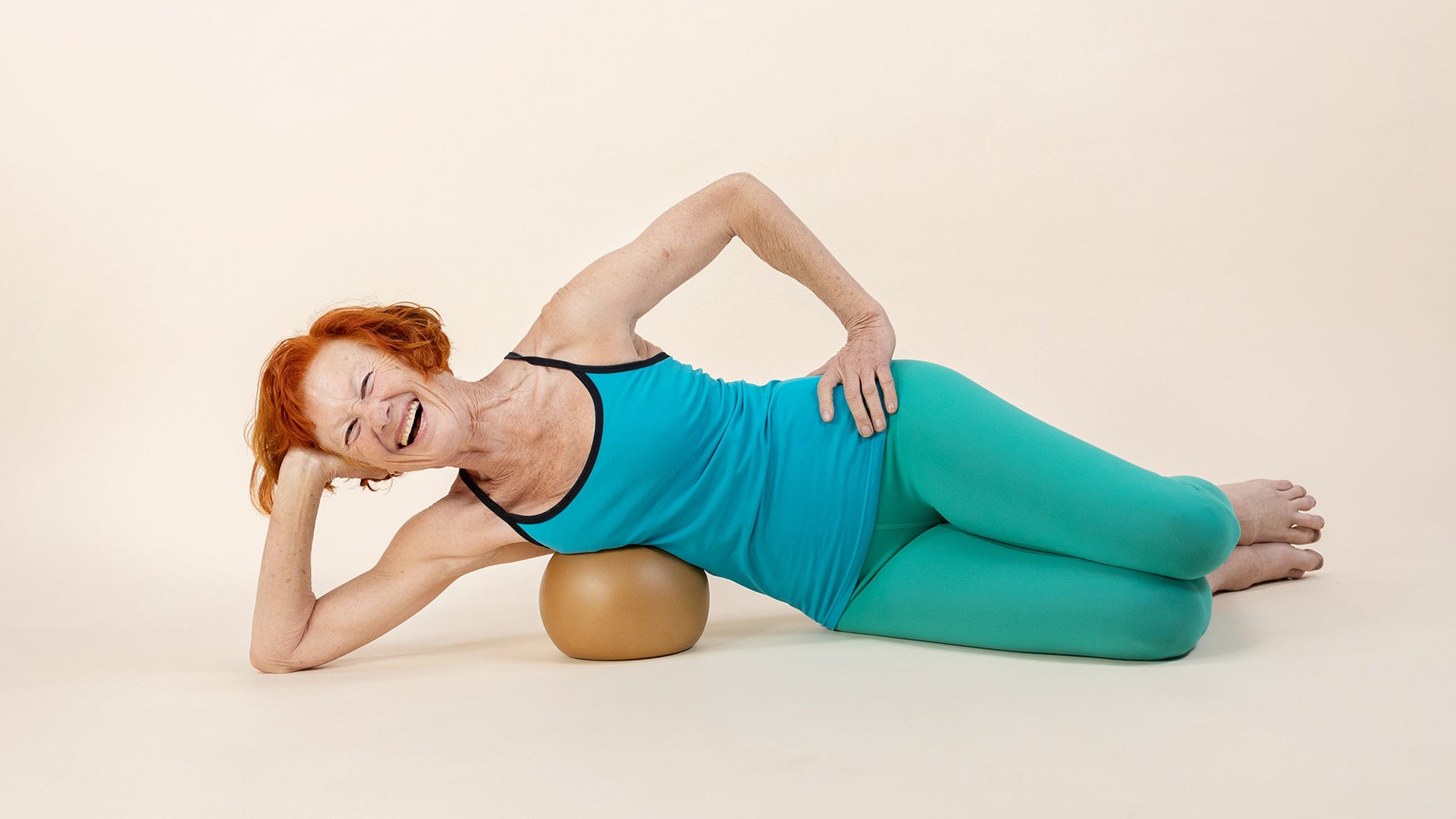
Gentle, low-impact movements help reduce joint pain and improve mobility.
Osteoporosis
Resistance-based exercises within Pilates may support bone health and reduce the risk of fractures.
Chronic Back Pain
Strengthening the core muscles alleviates pressure on the spine, thereby reducing discomfort in the lumbar region.
Getting Started with Pilates
Consultation with Healthcare Providers
Before beginning any exercise program, older adults should seek medical advice, particularly if they have existing health conditions. This ensures that exercises are tailored to individual needs and limitations.
Selecting a Qualified Instructor
Working with a certified Pilates instructor experienced in training older adults is essential. Proper guidance ensures correct technique and reduces the risk of injury.
Choosing the Appropriate Format
Mat Pilates
This form uses minimal equipment and is suitable for beginners.
Reformer Pilates
Equipment-based Pilates provides adjustable resistance, allowing for progressive strength development.
Chair or Wall Pilates
These variations are ideal for individuals with limited mobility, offering additional support and stability.
Gradual Progression
Starting with basic exercises and gradually increasing intensity allows the body to adapt safely. Consistency, rather than intensity, is the key determinant of long-term benefits.
Tips and Precautions
Emphasis on Breathing
Proper breathing techniques support muscle engagement and protect the spine during movement.
Listening to the Body
Distinguishing between normal muscle fatigue and harmful pain is essential. Exercises should be discontinued if discomfort arises.
Use of Modifications
Supportive equipment such as cushions, straps, and blocks can be used to adapt exercises to individual capabilities.
Hydration
Adequate fluid intake supports overall physiological function during exercise.
Monitoring Progress
Tracking improvements in strength, flexibility, and balance can enhance motivation and guide progression.
Practical Illustration
Consider an older adult who begins Pilates to address joint stiffness and reduced mobility. Over time, consistent practice may lead to improved flexibility, enhanced balance, and increased confidence in performing daily activities. Additionally, participation in group sessions may foster social connections and psychological well-being.
Conclusion
Pilates represents an effective and accessible form of exercise for older adults, offering a combination of physical and mental health benefits. Its emphasis on controlled movement, core stability, and flexibility makes it particularly suitable for aging populations.
Moreover, when practiced consistently and under appropriate guidance, Pilates can contribute to improved strength, balance, and overall quality of life. By integrating this form of exercise into daily routines, older adults can support healthy aging and maintain independence with confidence.
Further Reading
3.5 tog sleeping bag temperature guide
What Type of Psychotherapy Is Best for Anxiety?