















Health A–Z guide
Muscular Dystrophy
Muscular Dystrophy: Understanding a Group of Genetic Muscle Disorders
Muscular dystrophy (MD) refers to a group of inherited conditions that cause progressive muscle weakness and degeneration. While the term may sound like a single disease, it actually encompasses more…
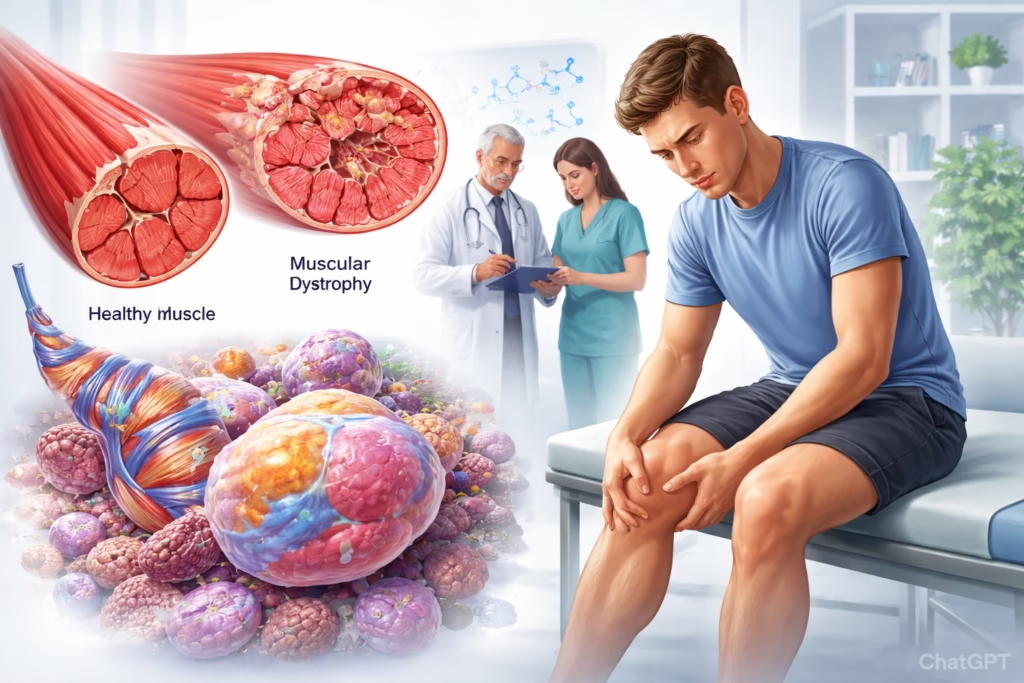
Table of Contents
Muscular dystrophy (MD) refers to a group of inherited conditions that cause progressive muscle weakness and degeneration. While the term may sound like a single disease, it actually encompasses more than 30 different genetic disorders that vary in severity, age of onset, and the muscles affected.
Although there is currently no cure for muscular dystrophy, advances in diagnosis, supportive care, and emerging therapies have improved quality of life and life expectancy for many individuals. This article provides a clear, medically accurate overview to help you better understand this complex group of conditions.
Overview / Definition
Muscular dystrophy is a group of genetic disorders characterized by:
- Progressive muscle weakness
- Degeneration of muscle tissue
- Replacement of muscle with fat and connective tissue over time
The condition occurs due to mutations in genes responsible for producing proteins essential for healthy muscle structure and function. Without these proteins, muscle cells are more vulnerable to damage during normal use.
Common Types of Muscular Dystrophy
Some of the most well-known forms include:
- Duchenne Muscular Dystrophy (DMD): The most common and severe form, primarily affecting boys. Symptoms typically begin in early childhood.
- Becker Muscular Dystrophy (BMD): Similar to Duchenne but milder and slower progressing.
- Myotonic Dystrophy: Affects both men and women and may involve prolonged muscle stiffness (myotonia) and systemic features.
- Limb-Girdle Muscular Dystrophy: Primarily affects muscles of the hips and shoulders.
- Facioscapulohumeral Muscular Dystrophy: Affects facial, shoulder, and upper arm muscles.
Each type differs genetically and clinically, but all involve progressive muscle impairment.
Causes and Risk Factors
Muscular dystrophy is caused by genetic mutations that disrupt proteins necessary for muscle health.
Key Causes
- Mutations in genes such as the dystrophin gene (in Duchenne and Becker MD)
- Inherited in several patterns:
- X-linked recessive (e.g., Duchenne and Becker)
- Autosomal dominant
- Autosomal recessive
Risk Factors
- Family history of muscular dystrophy
- Male sex (for X-linked types like Duchenne and Becker)
- In some cases, a new (spontaneous) genetic mutation with no prior family history
Genetic counseling is often recommended for families affected by or at risk for muscular dystrophy.
Symptoms and Clinical Presentation
Symptoms vary by type and severity but generally worsen over time. The progression may be gradual or more rapid depending on the condition.
Common Symptoms
- Progressive muscle weakness
- Difficulty walking or frequent falls
- Trouble climbing stairs or rising from the floor
- Waddling gait
- Enlarged calf muscles (pseudohypertrophy), particularly in Duchenne MD
Additional Features (depending on type)
- Muscle stiffness (myotonia)
- Joint contractures
- Scoliosis (curvature of the spine)
- Respiratory muscle weakness
- Heart complications such as cardiomyopathy
- Learning difficulties (in some forms like Duchenne)
In severe cases, respiratory and cardiac complications may become life-threatening without proper management.
Diagnosis and Screening
Early diagnosis is essential for optimal management and supportive care.
Diagnostic Approaches
Healthcare providers may use:
- Physical examination to assess muscle strength and function
- Blood tests to detect elevated creatine kinase (CK), a marker of muscle damage
- Genetic testing to identify specific gene mutations
- Muscle biopsy (less common now due to advanced genetic testing)
- Electromyography (EMG) to evaluate muscle electrical activity
- Cardiac and respiratory evaluations for systemic involvement
Screening
- Newborn screening for Duchenne muscular dystrophy is being implemented in some regions.
- Family members may undergo genetic testing if a mutation is identified.
Treatment and Management Options
There is currently no cure for muscular dystrophy, but treatment focuses on slowing progression, managing symptoms, and improving quality of life.
Medications
Depending on the type, treatment may include:
- Corticosteroids (e.g., prednisone, deflazacort) to slow muscle degeneration in Duchenne MD
- Cardiac medications (e.g., ACE inhibitors, beta-blockers)
- Emerging gene-targeted therapies for specific mutations
- Exon-skipping therapies (for certain genetic variants in Duchenne MD)
Supportive Therapies
A multidisciplinary approach is often recommended:
- Physical therapy to maintain mobility and prevent contractures
- Occupational therapy for daily living adaptations
- Speech therapy when swallowing or speech is affected
- Respiratory support, including assisted ventilation if needed
- Orthopedic interventions for scoliosis or joint problems
Advanced Care
- Cardiac monitoring and treatment
- Non-invasive ventilation at night
- Mobility aids such as braces, walkers, or wheelchairs
With comprehensive care, many individuals live longer and maintain active participation in school, work, and community life.
Prevention and Lifestyle Considerations
Because muscular dystrophy is genetic, there is currently no known way to prevent it.
However, certain proactive steps may support overall health:
- Genetic counseling for individuals with a family history
- Regular cardiac and pulmonary monitoring
- Maintaining appropriate physical activity within safe limits
- Nutritional support to prevent obesity or malnutrition
- Vaccinations (e.g., influenza, pneumonia) to reduce respiratory complications
Emotional and psychological support for patients and caregivers is also a vital component of comprehensive care.
Conclusion
Muscular dystrophy refers to a group of inherited disorders characterized by progressive muscle weakness and degeneration. While the severity and progression vary widely depending on the type, all forms are rooted in genetic mutations affecting muscle structure and function.
Early diagnosis, multidisciplinary care, and ongoing medical monitoring play a critical role in improving outcomes. Advances in genetic therapies offer increasing hope for more targeted treatments in the future.
If you or a loved one may be experiencing symptoms suggestive of muscular dystrophy, consult a qualified healthcare provider for proper evaluation and testing.
Disclaimer:
This article is for educational purposes only and does not constitute medical advice. Always consult a qualified healthcare professional for diagnosis, treatment, or individualized medical guidance.
Was this page helpful?
Thanks for your feedback! What could we improve?
Thank you! Your feedback helps us improve our guides.
Our Health A–Z guides are written by the True Impact Health Editorial Team and based on reliable sources such as public health agencies, clinical guidelines and peer-reviewed research. This guide has not yet been medically reviewed. Read our editorial process.
This content is for general information and is not a substitute for professional medical advice, diagnosis or treatment.