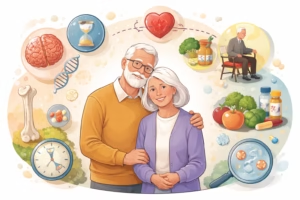
Aging: Understanding the Natural Process and How It Affects Health
Aging is a universal and inevitable part of life. While often associated with visible changes such as wrinkles or gray hair, aging is a complex biological process that affects every organ system in the body. Understanding how aging occurs, what influences it, and how it impacts health can help individuals make informed decisions that support well-being across the lifespan.
This article provides a clear, medically accurate overview of aging, including its causes, common signs, health implications, and evidence-based strategies that support healthy aging.
Overview: What Is Aging?
Aging refers to the gradual and progressive changes in the body that occur over time, leading to a decline in physiological function and increased vulnerability to disease. It begins at the cellular level and is influenced by a combination of genetics, environmental exposures, lifestyle factors, and medical conditions.
From a medical perspective, aging is not a disease itself but a significant risk factor for many chronic conditions, including cardiovascular disease, diabetes, arthritis, neurodegenerative disorders, and certain cancers.
Causes and Risk Factors of Aging
Aging results from a combination of biological, genetic, and environmental factors. Key contributors include:
Biological Mechanisms
- Cellular senescence: Cells lose the ability to divide and function normally
- DNA damage: Accumulation of genetic errors over time
- Telomere shortening: Protective caps on chromosomes shorten with each cell division
- Oxidative stress: Damage caused by free radicals
- Chronic inflammation: Often referred to as “inflammaging”
Risk Factors That Influence the Aging Process
- Genetic predisposition
- Poor nutrition
- Physical inactivity
- Smoking and excessive alcohol use
- Chronic stress
- Environmental exposures (e.g., pollution, ultraviolet radiation)
Symptoms and Clinical Presentation of Aging
Aging affects individuals differently, but common physical and functional changes include:
Physical Changes
- Decreased muscle mass and strength
- Reduced bone density
- Thinner, less elastic skin
- Changes in vision and hearing
- Slower metabolism
Cognitive and Neurological Changes
- Slower information processing
- Mild memory changes
- Reduced reaction time
Immune System Changes
- Increased susceptibility to infections
- Reduced response to vaccines
These changes are considered part of normal aging and differ from age-related diseases, which are not inevitable.
Diagnosis and Assessment of Aging-Related Health
There is no single test to diagnose aging. Instead, healthcare professionals use a combination of tools to assess age-related health risks, including:
- Comprehensive medical history
- Physical examinations
- Routine laboratory tests
- Imaging studies when indicated
- Cognitive and functional assessments in older adults
Preventive screenings become increasingly important with age and may include evaluations for cardiovascular health, bone density, cancer risk, vision, hearing, and cognitive function.
Treatment and Management Options
Aging itself does not require treatment, but managing age-related changes and conditions is a central focus of modern medicine.
Evidence-Based Management Approaches
- Management of chronic diseases (e.g., hypertension, diabetes)
- Physical therapy or rehabilitation to maintain mobility
- Medications when clinically indicated
- Assistive devices to support vision, hearing, or movement
- Mental health support when needed
Medical care increasingly emphasizes functional ability, independence, and quality of life rather than age alone.
Prevention and Lifestyle Considerations for Healthy Aging
While aging cannot be stopped, research shows that lifestyle choices can significantly influence how the body ages.
Strategies That Support Healthy Aging
- Balanced nutrition: Diets rich in fruits, vegetables, whole grains, lean proteins, and healthy fats
- Regular physical activity: Aerobic exercise, strength training, balance, and flexibility
- Cognitive engagement: Lifelong learning and social interaction
- Adequate sleep: Supporting physical and mental recovery
- Stress management: Mindfulness, relaxation techniques, and social support
- Avoidance of tobacco and harmful substance use
These strategies are associated with lower rates of chronic disease, better functional capacity, and improved overall well-being in older age.
Conclusion: Key Takeaways on Aging
Aging is a natural, lifelong process shaped by biology, environment, and behavior. While it brings inevitable changes to the body and mind, aging does not automatically mean poor health. Advances in medical science and public health have shown that many age-related challenges can be managed—and sometimes prevented—through evidence-based care and healthy lifestyle practices.
Understanding the aging process empowers individuals to focus on longevity, function, and quality of life rather than age alone.
Medical Disclaimer
This article is intended for educational purposes only and does not replace professional medical advice. Readers are encouraged to consult qualified healthcare professionals for individualized assessment, diagnosis, or treatment related to aging or any health condition.