Introduction to Candida species
Hey there! Today, I want to introduce you to a fascinating group of organisms known as Candida species. These are actually types of yeast that can be found living on our skin, in our mouths, and even in our digestive tracts. While some Candida species are harmless, others can cause infections if they overgrow.
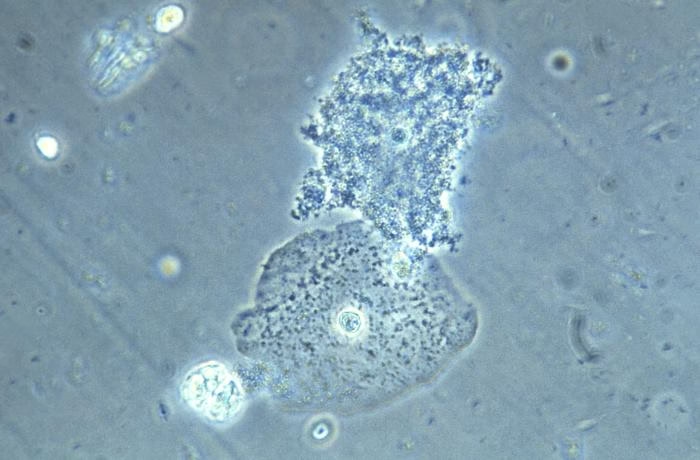
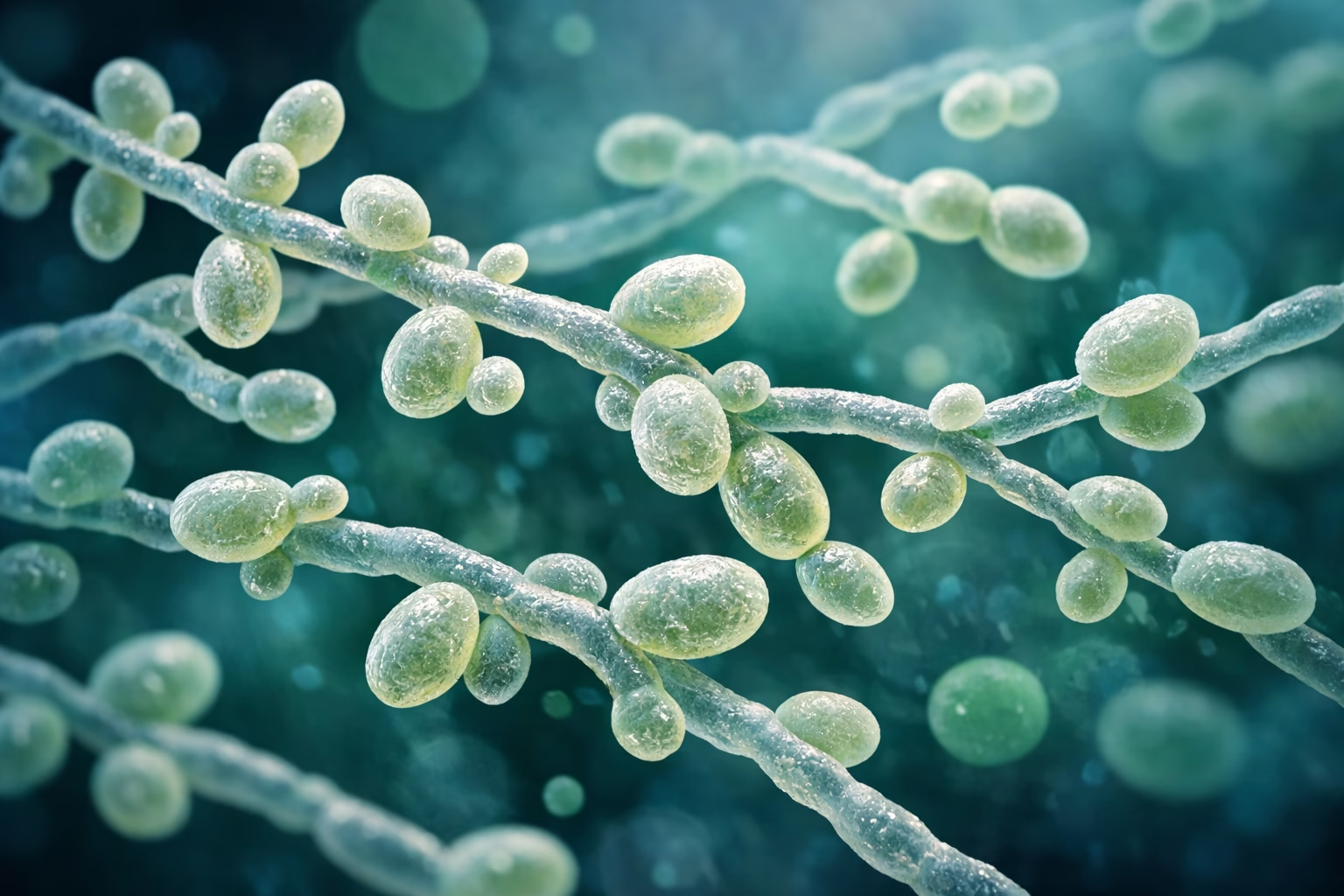
Candida species are part of the fungal kingdom, which means they are not bacteria or viruses. They are single-celled organisms that reproduce by budding, forming new cells off of their parent cell. This unique way of reproduction gives them their characteristic appearance under the microscope.
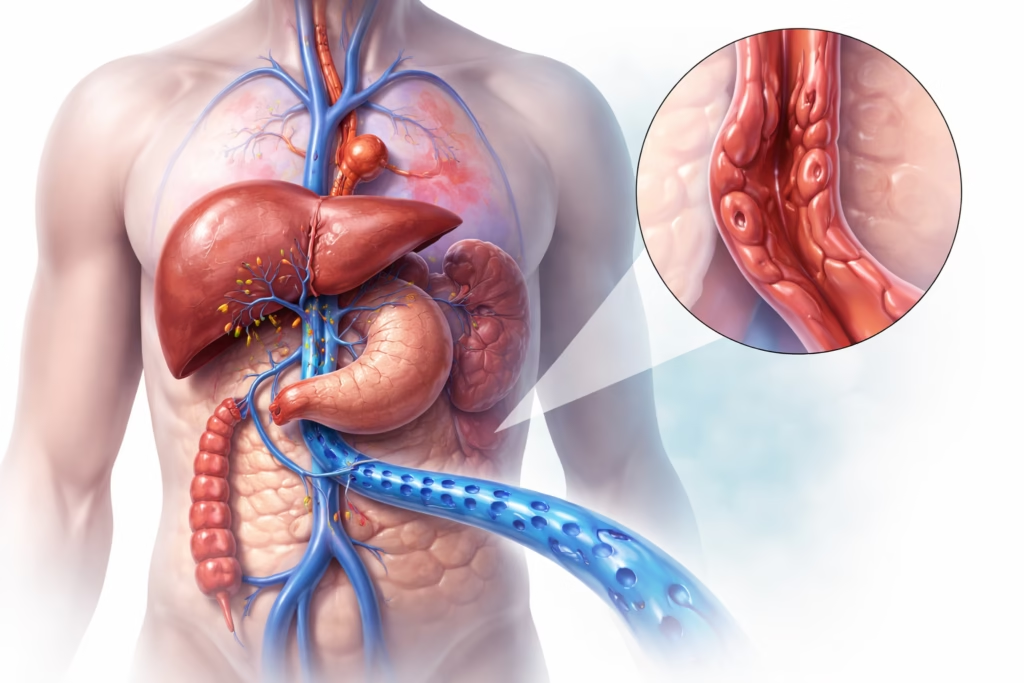
Now, you might be wondering why we need to know about Candida species. Well, these organisms can sometimes cause infections in humans, especially in individuals with weakened immune systems. Candida infections can range from mild conditions like thrush (a yeast infection in the mouth) to more serious infections that affect the bloodstream or internal organs.
It’s important to understand Candida species because recognizing and treating these infections promptly can make a big difference in a person’s health. By knowing more about these organisms, healthcare providers can diagnose and treat infections more effectively.
So, next time you hear about Candida species, remember that they are not just any ordinary yeasts – they can have a real impact on our health. Stay tuned for more information on the morphological characteristics of Candida species and how they can be diagnosed and treated. Let’s dive deeper into the world of fungi and learn how to keep ourselves healthy and happy!
Morphological Characteristics of Candida Species
Alright, buckle up because we’re diving into the fascinating world of Candida species! These sneaky little fungi are no joke when it comes to causing infections, so it’s crucial to understand their morphological characteristics to better detect and combat them.
1. **Yeast form:** Candida species typically exist in a yeast form, which means they are unicellular organisms that reproduce by budding. Picture tiny little cells, like pearls on a necklace, multiplying and spreading throughout the body.
2. **Pseudohyphae:** When conditions are right, some Candida species can form elongated structures called pseudohyphae. These structures are chains of connected yeast cells that resemble a string of beads. It’s like they’re holding hands to stay connected and wreak havoc.
3. **Hyphae:** In certain situations, Candida species can also produce hyphae, which are long, branching filaments that allow them to invade tissues and cause more severe infections. It’s like they grow little tentacles to penetrate deeper into the body.
4. **Color:** Candida species appear as creamy white or slightly yellow colonies when grown on agar plates in the lab. Imagine a patch of snow that’s been kissed by the sun, that’s the color you might see under the microscope.
5. **Odor:** In some cases, Candida species can produce a distinctive odor described as “musty” or “yeasty.” So, if you catch a whiff of something funky, it might just be these pesky fungi lurking around.
Now, why should you care about all this microscopic talk? Well, understanding the morphological characteristics of Candida species is essential for diagnosing and treating fungal infections effectively. By recognizing their different forms and colors, healthcare providers can pinpoint the specific species causing trouble and tailor treatment accordingly.
So, next time you hear the word “Candida,” remember these quirky morphological traits that set them apart from other fungi. Stay curious, stay vigilant, and stay one step ahead of these cunning little creatures!
Common Types of Candida Species
Alright, let’s dive into the world of Candida species! There are several common types of Candida that you should be aware of, as they can cause various infections in humans. Here are some of the most prevalent types:
- Candida albicans: This is the most common species of Candida that can cause infections such as thrush, vaginal yeast infections, and invasive candidiasis. It is typically found in the mouth, digestive tract, and genital area.
- Candida glabrata: This species is becoming increasingly important as a cause of candidiasis, especially in those with weakened immune systems. It is known for its resistance to certain antifungal medications.
- Candida parapsilosis: This species is often associated with infections in healthcare settings, such as catheter-related bloodstream infections. It can be challenging to treat due to its ability to form biofilms on medical devices.
- Candida tropicalis: This species is another common cause of candidiasis, particularly in patients who are critically ill or immunocompromised. It can lead to bloodstream infections and other invasive forms of the disease.
- Candida krusei: This species is known for its intrinsic resistance to certain antifungal drugs, making it a challenging pathogen to treat. It is associated with bloodstream infections and other serious infections.
It’s important to note that while these are some of the most common types of Candida species, there are many others that can also cause infections in humans. Each species may present with unique characteristics and challenges when it comes to diagnosis and treatment.
If you suspect that you may have a Candida infection, it’s crucial to seek medical attention for an accurate diagnosis and appropriate treatment. Your healthcare provider may recommend tests to identify the specific species of Candida causing your infection, as this can help guide treatment decisions.
Remember, early detection and treatment of Candida infections are key to preventing complications and promoting recovery. Stay informed about the different types of Candida species and how they can impact your health, and don’t hesitate to reach out to your healthcare provider if you have any concerns.
In the next sections, we’ll explore how fungal organisms morphologically consistent with Candida species are diagnosed and discuss treatment options and prevention strategies. Stay tuned for more valuable information on managing Candida infections!
Diagnosis of fungal organisms morphologically consistent with Candida species
So, you suspect you may have a Candida infection. How can you be sure? Well, one of the first steps in diagnosing a Candida infection is to identify the fungal organisms present in the affected area. This is typically done through a process called microscopy, where a sample is taken and examined under a microscope to look for morphological characteristics consistent with Candida species.
What are some common morphological characteristics of Candida species?
Candida species are yeast-like fungi that can appear in different forms under the microscope. Some key characteristics to look out for include:
- Pseudohyphae: These are chains of elongated cells that resemble a string of beads. Candida species often form pseudohyphae, which can help in their identification.
- Budding yeast cells: Candida species reproduce by budding, where a smaller daughter cell forms on the surface of the mother cell. This can give the appearance of a budding flower under the microscope.
- Germ tubes: When Candida species are cultured in specific conditions, they can produce germ tubes, which are projections that extend from the yeast cell. The presence of germ tubes can be a useful diagnostic feature.
If the sample taken shows fungal organisms with these morphological characteristics, it is highly suggestive of a Candida infection. However, further tests may be needed to confirm the specific species of Candida present and determine the best course of treatment.
What are the next steps after identifying fungal organisms morphologically consistent with Candida species?
Once Candida species have been identified morphologically, additional tests may be performed to confirm the diagnosis. This can include culturing the fungal organisms to determine the specific species of Candida present and testing for antifungal susceptibility to guide treatment decisions.
It is important to consult with a healthcare provider if you suspect you have a Candida infection. They can help confirm the diagnosis and recommend the most appropriate treatment options. Remember, self-diagnosis and treatment can lead to complications and may not effectively resolve the infection.
By seeking professional help and following their guidance, you can effectively diagnose and treat Candida infections, promoting better health and well-being. Remember, early detection and treatment are key to managing Candida infections and preventing them from recurring.
Treatment Options for Candida Infections
So, you’ve been diagnosed with a Candida infection – now what? Don’t worry, there are several treatment options available to help you kick those pesky fungal organisms to the curb. Let’s take a look at some of the common ways to treat Candida infections:
- Antifungal Medications: One of the most common treatments for Candida infections is antifungal medications. These medications work by targeting the fungal cells and stopping them from growing and spreading. Some common antifungal medications include fluconazole, clotrimazole, and nystatin.
- Topical Creams: For Candida infections that are confined to the skin, such as a yeast infection, topical antifungal creams can be effective. These creams are applied directly to the affected area and can help alleviate symptoms like itching and redness.
- Oral Medications: In some cases, your healthcare provider may prescribe oral antifungal medications to treat a systemic Candida infection. These medications are taken by mouth and work to eliminate the fungal infection from the inside out.
- Probiotics: Probiotics are beneficial bacteria that can help restore the balance of good bacteria in your body, which can be disrupted by a Candida infection. Adding probiotic-rich foods like yogurt and kefir to your diet, or taking a probiotic supplement, may help support your body’s natural defenses against Candida.
- Dietary Changes: Some healthcare providers recommend making dietary changes to help combat Candida infections. Avoiding sugar, refined carbohydrates, and alcohol, which can feed the growth of yeast, and focusing on a diet rich in whole foods and probiotics may help support your body’s natural ability to fight off infections.
It’s important to remember that treatment for Candida infections can vary depending on the severity of the infection and your overall health. Always consult with your healthcare provider to determine the best course of action for your specific situation.
Remember, early detection and treatment of Candida infections are key to preventing them from spreading and causing more serious health issues. By following your healthcare provider’s recommendations and taking proactive steps to support your body’s natural defenses, you can effectively manage and overcome Candida infections.
So, don’t let Candida get you down – with the right treatment and a positive attitude, you’ll be back to feeling like yourself in no time!
Prevention of Candida Infections
So, you’ve learned about Candida species and how they can wreak havoc on your body. But fear not! There are ways to prevent these pesky fungi from causing you trouble. Here are some tips to keep Candida infections at bay:
- Watch your diet: One of the most important things you can do to prevent Candida infections is to watch what you eat. Avoid excessive sugar and refined carbohydrates, as these can feed the yeast and help it grow. Instead, opt for a balanced diet rich in whole foods, fruits, and vegetables.
- Probiotics are your friends: Including probiotic-rich foods like yogurt, kefir, and sauerkraut in your diet can help maintain a healthy balance of gut bacteria, which can in turn prevent Candida overgrowth.
- Maintain good hygiene: Keeping yourself clean and dry, especially in areas prone to moisture like the groin and armpits, can help prevent Candida infections. Make sure to change out of sweaty clothes promptly and dry off thoroughly after showers.
- Avoid unnecessary antibiotics: While antibiotics are sometimes necessary to treat bacterial infections, overuse can disrupt the balance of bacteria in your body and lead to Candida overgrowth. Only take antibiotics when prescribed by a healthcare professional.
- Manage stress: Stress can weaken your immune system, making you more susceptible to infections. Finding ways to manage stress, whether through exercise, meditation, or hobbies, can help keep Candida at bay.
- Stay hydrated: Drinking plenty of water can help flush out toxins and keep your body functioning optimally, which can help prevent Candida overgrowth.
- Wear loose, breathable clothing: Tight, synthetic clothing can trap moisture and create the perfect environment for Candida to thrive. Opt for loose, breathable fabrics like cotton to prevent infections.
By following these simple tips, you can help prevent Candida infections and keep your body healthy and happy. Remember, prevention is always better than cure!
Conclusion
Congratulations on making it to the end of this informative journey into Candida species! By now, you should have a good understanding of these fungal organisms and how they can impact our health. Remember, Candida species are opportunistic pathogens that can cause infections in various parts of the body, so it’s important to be aware of their presence and take necessary precautions to prevent infections.
The good news is that with proper diagnosis and treatment, Candida infections can be effectively managed. If you suspect you may have a Candida infection, don’t hesitate to seek medical advice. Your healthcare provider can perform tests to confirm the presence of Candida species and recommend the appropriate treatment to help you get back to feeling your best.
When it comes to preventing Candida infections, there are several steps you can take to reduce your risk. Practicing good hygiene, maintaining a healthy diet, and avoiding unnecessary antibiotic use are all important measures to keep Candida at bay. Additionally, keeping your immune system strong through regular exercise, adequate sleep, and stress management can help fend off potential infections.
Remember, knowledge is power when it comes to protecting yourself from Candida species. Stay informed, stay vigilant, and prioritize your health to keep these pesky fungi in check. By taking proactive steps and staying on top of your health, you can minimize your risk of Candida infections and enjoy a healthier, happier life.
Further Reading