Hey there! Are you or a loved one recovering from COVID-19? If so, you might be wondering about the next steps in your journey towards full recovery. That’s where COVID Rehabilitation comes in!
COVID Rehabilitation involves a comprehensive and personalized approach to help individuals recover from the lingering effects of the virus. Whether you experienced mild symptoms or a severe case of COVID-19, rehabilitation can play a crucial role in helping you regain your strength and overall well-being.
So, what exactly is COVID Rehabilitation? It’s a specialized program that focuses on restoring your physical, mental, and emotional health after battling the virus. From improving your lung function to addressing fatigue and muscle weakness, COVID Rehabilitation aims to support you in every aspect of your recovery.
Now, you might be wondering why COVID Rehabilitation is so important. Well, recovering from COVID-19 can be a challenging journey, and it’s essential to have the right support in place to help you along the way. By participating in a rehabilitation program, you can receive expert guidance and care to facilitate your recovery process.
Whether you’re struggling with breathing difficulties, mobility issues, or emotional distress, COVID Rehabilitation can provide you with the tools and resources you need to overcome these challenges. It’s all about empowering you to regain control of your health and well-being.
Throughout this article, we’ll explore the different types of COVID Rehabilitation programs available, the benefits of participating in these programs, specific exercises that can aid in your recovery, and the importance of mental health support during this time. By the end of it, you’ll have a better understanding of how COVID Rehabilitation can make a significant difference in your recovery journey.
Importance of COVID Rehabilitation
Recovering from COVID-19 can be a long and challenging journey, even after the virus has left your body. This is where COVID rehabilitation plays a crucial role in helping individuals regain their strength, mobility, and overall well-being. Let’s dive into why COVID rehabilitation is so important in the recovery process.
- Restoring Physical Function: COVID-19 can leave lasting effects on the body, such as muscle weakness, fatigue, and respiratory issues. Rehabilitation programs are designed to help individuals regain their physical strength and function through targeted exercises and therapies.
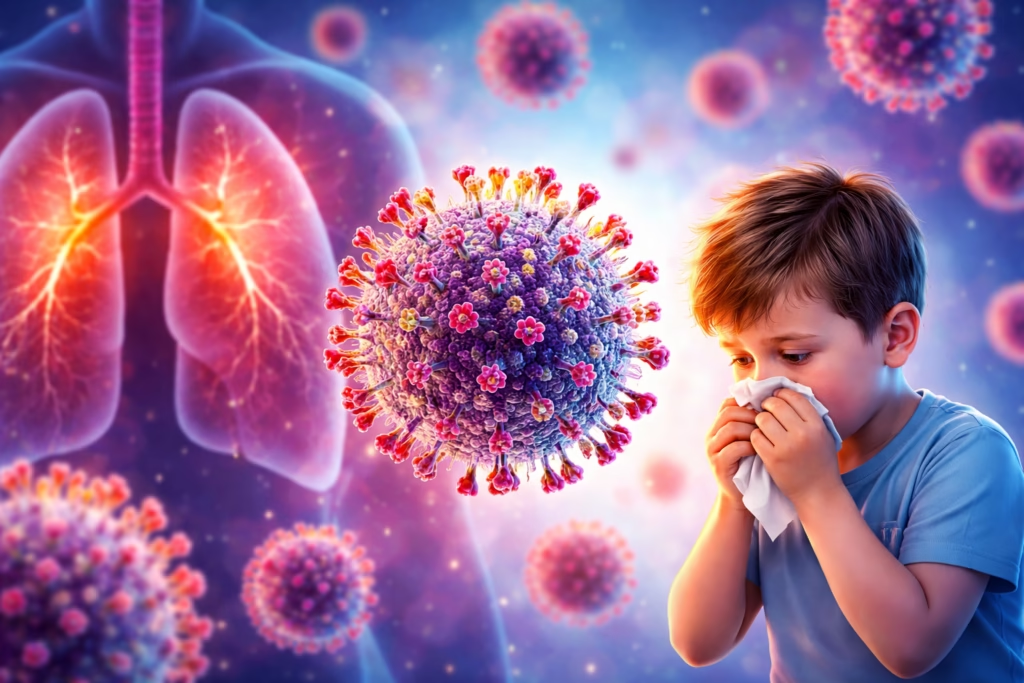
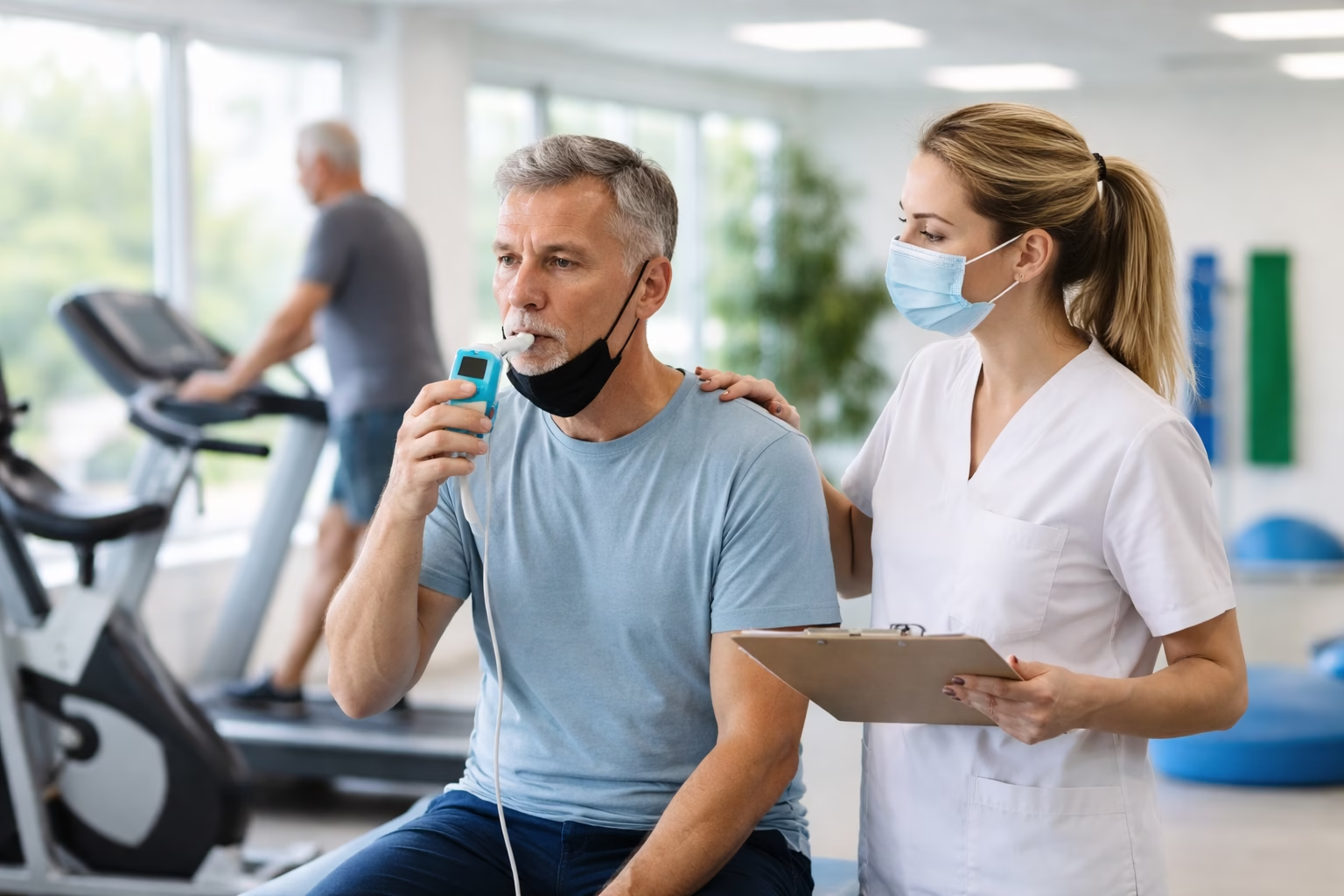
- Improving Respiratory Health: Many COVID-19 survivors experience respiratory issues, such as shortness of breath or decreased lung capacity. Rehabilitation programs often include breathing exercises and techniques to improve lung function and aid in the recovery process.
- Enhancing Mental Well-being: The impact of COVID-19 goes beyond just physical health – it can also take a toll on mental well-being. Rehabilitation programs provide holistic support to address mental health concerns, such as anxiety, depression, and post-traumatic stress disorder, ensuring a comprehensive recovery.
- Preventing Long-term Complications: By participating in COVID rehabilitation, individuals can reduce the risk of long-term complications and disabilities associated with the virus. These programs focus on early intervention and comprehensive care to promote a full recovery and prevent future health issues.
It’s important to remember that every individual’s journey to recovery is unique, and COVID rehabilitation programs are tailored to address specific needs and challenges. By participating in rehabilitation, individuals can not only regain their physical strength and function but also improve their overall quality of life after COVID-19.
Types of COVID Rehabilitation Programs
When it comes to recovering from COVID-19, there are various types of rehabilitation programs that can help you regain your strength and improve your overall well-being. These programs are designed to address the physical, emotional, and cognitive effects of the virus, and they can be tailored to meet your specific needs and goals. Here are some common types of COVID rehabilitation programs:
- Physical Therapy: Physical therapy is a crucial component of COVID rehabilitation, especially for those who experienced severe symptoms or were hospitalized. Physical therapists can help you regain strength, flexibility, and endurance through targeted exercises and techniques. They can also assist in managing any lingering symptoms such as shortness of breath or muscle weakness.
- Occupational Therapy: Occupational therapists focus on helping you regain the skills needed for daily activities such as dressing, cooking, and driving. They can provide strategies to improve your independence and quality of life, especially if you are experiencing challenges due to COVID-related impairments.
- Pulmonary Rehabilitation: For individuals who have experienced respiratory issues due to COVID-19, pulmonary rehabilitation programs can be incredibly beneficial. These programs include exercises, education, and support to help improve lung function, reduce shortness of breath, and enhance overall respiratory health.
- Cardiac Rehabilitation: COVID-19 can have a significant impact on the heart and cardiovascular system, even in individuals who did not have pre-existing heart conditions. Cardiac rehabilitation programs focus on improving heart health through exercise, education, and lifestyle changes, helping to reduce the risk of future heart-related complications.
- Speech Therapy: Some individuals who have had COVID-19 may experience difficulties with speech, language, or swallowing. Speech therapists can provide evaluations and therapy to address these issues, helping to improve communication and overall quality of life.
It’s important to consult with your healthcare provider to determine which types of rehabilitation programs are most appropriate for your individual needs and recovery goals. They can help you create a personalized plan that addresses your specific challenges and helps you make a successful recovery from COVID-19.
Benefits of COVID Rehabilitation
COVID rehabilitation programs offer a wide range of benefits for individuals recovering from the virus. These programs are designed to help patients regain strength, improve their overall health, and enhance their quality of life. Here are some key benefits of participating in COVID rehabilitation:
- Physical Recovery: COVID rehabilitation programs focus on helping patients regain their physical strength and endurance. Through a combination of exercises, therapies, and medical interventions, individuals can improve their mobility, flexibility, and overall physical health.
- Respiratory Support: Many COVID patients experience respiratory issues, such as shortness of breath or decreased lung function. Rehabilitation programs often include respiratory therapies and exercises to help patients improve their lung capacity and breathing patterns.
- Pain Management: Some COVID survivors may experience lingering pain or discomfort as a result of the virus. Rehabilitation programs can provide pain management strategies, such as physical therapy, massage, or medication, to help individuals cope with their symptoms.
- Emotional Support: Recovering from COVID can be a challenging and emotional experience. Rehabilitation programs often include counseling, support groups, and mental health services to help patients address their emotional needs and cope with the psychological effects of the virus.
- Functional Independence: COVID rehabilitation programs aim to help patients regain their independence and ability to perform daily activities. Through targeted interventions and therapies, individuals can improve their functional abilities and regain their confidence in managing everyday tasks.
- Prevention of Long-Term Complications: By participating in COVID rehabilitation, individuals can reduce their risk of developing long-term complications or disabilities. These programs focus on early intervention and comprehensive care to help patients recover fully and minimize the impact of the virus on their health.
Overall, COVID rehabilitation programs play a crucial role in supporting individuals as they recover from the virus and rebuild their health and well-being. By taking part in these programs, patients can benefit from a range of services and interventions that are tailored to their unique needs and goals. Whether you are experiencing physical, respiratory, or emotional challenges after COVID, rehabilitation can help you navigate the recovery process and achieve optimal health outcomes.
Exercises for COVID Rehabilitation
Now that you’re on the road to recovery after COVID-19, it’s important to slowly incorporate exercises into your routine to rebuild your strength and stamina. However, it’s crucial to consult with your healthcare provider or a physical therapist before starting any exercise program to ensure it’s safe and appropriate for your current condition.
Here are some gentle exercises that can aid in your COVID rehabilitation journey:
- Deep Breathing Exercises: Practice deep breathing exercises to improve lung function and increase oxygen flow in your body. Take slow, deep breaths in through your nose, hold for a few seconds, and then exhale slowly through your mouth. Repeat this several times a day to strengthen your respiratory muscles.
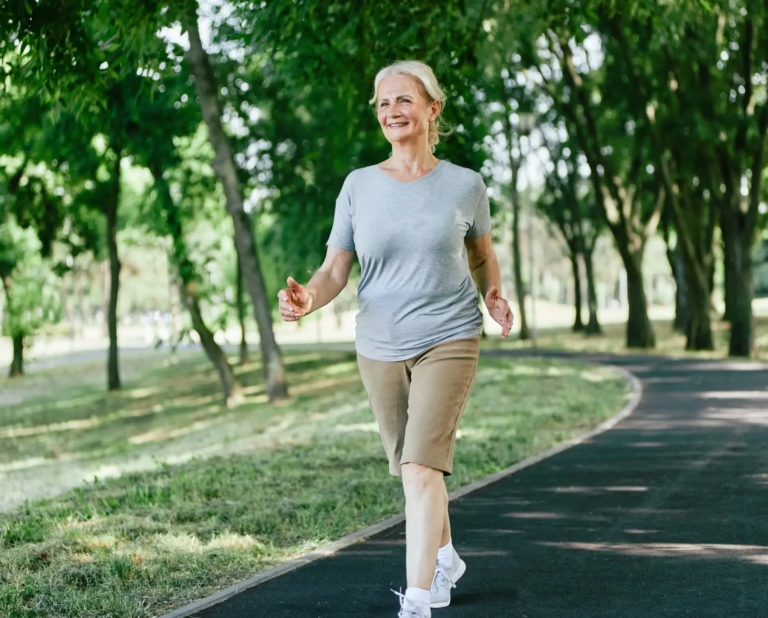
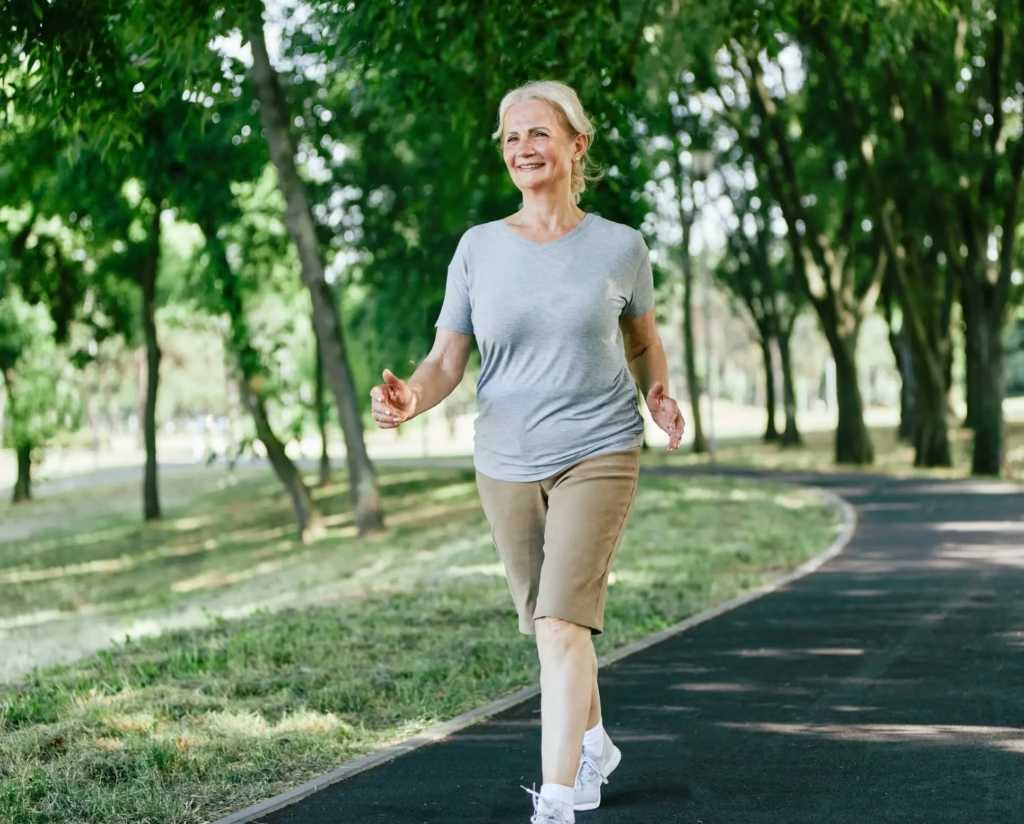
- Walking: Start with short walks around your home or in your neighborhood to gradually increase your endurance. Walking can help improve cardiovascular fitness, boost mood, and aid in overall recovery.
- Stretching: Incorporate gentle stretching exercises to improve flexibility and reduce muscle stiffness. Focus on stretching major muscle groups such as your arms, legs, back, and neck to prevent muscle tightness and promote better mobility.
- Strength Training: Begin with light resistance exercises using resistance bands or light weights to rebuild muscle strength. Focus on major muscle groups such as legs, arms, and core to regain muscle mass and function.
- Balance and Coordination Exercises: Practice balance exercises such as standing on one leg or walking heel-to-toe to improve balance and coordination. These exercises can help prevent falls and enhance overall stability.
- Aquatic Therapy: Consider aquatic therapy in a pool or water-based exercises to reduce joint stress, improve mobility, and increase strength. Water provides resistance while supporting your body, making it an ideal environment for gentle rehabilitation exercises.
Remember to listen to your body and progress at your own pace. It’s normal to feel fatigued or experience some discomfort during exercises, but never push yourself to the point of pain. Stay hydrated, take breaks when needed, and always prioritize safety and proper form during your workouts.
Consistency is key in your COVID rehabilitation journey, so aim to incorporate these exercises into your daily routine to see gradual improvements in your physical health and overall well-being. Celebrate small victories along the way and don’t hesitate to reach out to your healthcare provider or a rehabilitation specialist for guidance and support.
By staying committed to your exercise program and focusing on gradual progress, you’ll be well on your way to regaining strength, endurance, and vitality after COVID-19. Stay positive, stay determined, and most importantly, stay safe on your road to recovery!
Conclusion and Next Steps in COVID Rehabilitation
So, you’ve made it through your COVID rehabilitation journey – congratulations! You’ve put in the hard work and dedication to get back on your feet after facing the challenges that COVID-19 brought into your life. But what comes next? Where do you go from here?
First and foremost, it’s important to recognize that COVID rehabilitation is not a one-time thing. It’s a continual process that requires ongoing effort and commitment. Even though you may have completed a program or achieved certain goals, it’s vital to maintain the progress you’ve made and continue to build on it.
One essential next step in COVID rehabilitation is to stay active and incorporate regular exercise into your routine. Physical activity not only helps improve your physical health but also plays a significant role in boosting your mental well-being. Whether it’s going for a walk, practicing yoga, or engaging in strength training, find activities that you enjoy and make them a regular part of your life.
In addition to physical exercise, don’t forget about the importance of maintaining good mental health. COVID-19 may have taken a toll on your emotional well-being, so it’s crucial to prioritize self-care and seek support when needed. Whether it’s through therapy, support groups, or simply talking to a trusted friend or family member, don’t hesitate to reach out for help when you need it.
As you navigate the next steps in your COVID rehabilitation journey, remember that progress may not always be linear. There may be setbacks along the way, but what’s important is how you respond to them. Stay resilient, stay positive, and keep pushing forward. Celebrate your victories, no matter how small they may seem, and use them as motivation to continue working towards your goals.
Finally, always remember that you are not alone in this journey. There is a community of healthcare professionals, rehabilitation specialists, and fellow survivors who are here to support you every step of the way. Don’t hesitate to lean on them for guidance, encouragement, and assistance as you continue to navigate life after COVID-19.
In conclusion, COVID rehabilitation is a challenging but rewarding process that requires dedication, perseverance, and resilience. By continuing to prioritize your physical and mental well-being, staying active, seeking support when needed, and embracing the journey with a positive attitude, you can continue to make progress and thrive in your post-COVID life. Keep pushing forward, keep striving for improvement, and never lose sight of the incredible strength and resilience that lies within you. You’ve got this!
Further Reading