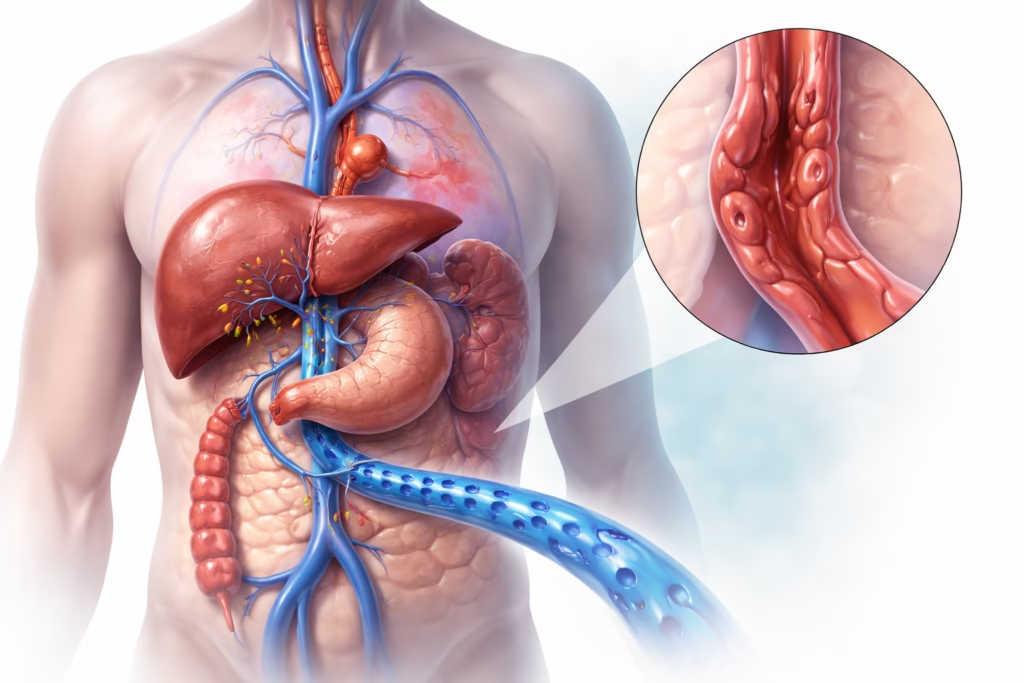

Congestive heart failure (CHF) remains a major public health concern and a leading cause of hospitalization, particularly among older adults. Within this clinical context, nursing professionals play a central role in early detection, patient stabilization, and long-term disease management. Effective nursing care extends beyond immediate clinical interventions to include patient education, monitoring, and coordination of multidisciplinary care.
This article provides a comprehensive and structured explanation of essential nursing considerations in CHF, expanding on pathophysiology, assessment, interventions, and advanced care strategies required for optimal patient outcomes.

Understanding Congestive Heart Failure
Pathophysiology
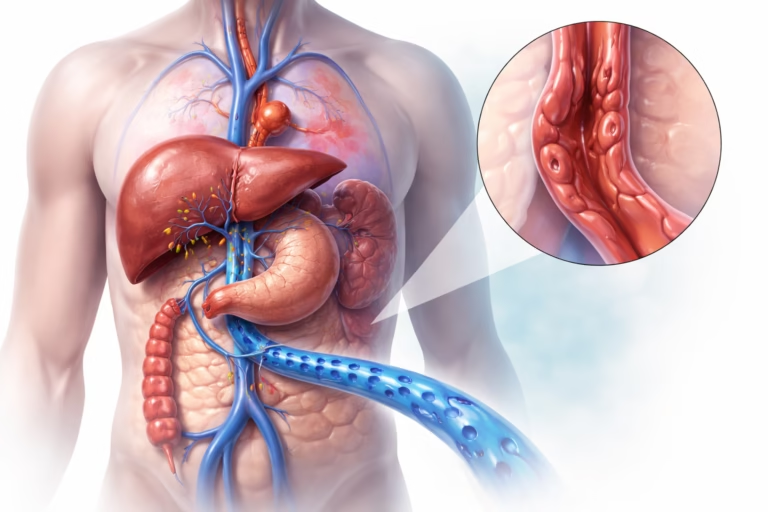
Congestive heart failure is characterized by the inability of the heart to pump sufficient blood to meet the metabolic demands of the body. This dysfunction leads to fluid accumulation, which manifests differently depending on the side of the heart affected.
In left-sided heart failure, fluid backs up into the pulmonary circulation, resulting in pulmonary congestion and impaired gas exchange. Patients often present with respiratory symptoms such as shortness of breath and crackles on auscultation.
In right-sided heart failure, fluid accumulates in the systemic circulation, leading to peripheral edema, abdominal distension, and organ congestion. Over time, this fluid overload increases cardiac workload and further deteriorates cardiac function.
Classification (NYHA Functional Classes)
The New York Heart Association classification system provides a standardized method of assessing functional limitation in CHF patients.
Class I
Patients experience no limitation in physical activity. Ordinary activities do not produce symptoms such as fatigue or dyspnea.
Class II
Patients have mild limitations. Symptoms occur during ordinary physical activity but not at rest.
Class III
Patients exhibit marked limitations. They are comfortable only at rest, and minimal activity leads to symptoms.
Class IV
Patients experience symptoms even at rest, indicating severe functional impairment and advanced disease.
Common Signs and Symptoms
Dyspnea
Shortness of breath may occur during exertion or at rest, reflecting pulmonary congestion and reduced oxygen exchange.
Peripheral Edema
Fluid accumulation in the lower extremities or abdomen results from increased venous pressure and fluid retention.
Rapid Weight Gain
Sudden increases in body weight often indicate fluid accumulation rather than fat gain, serving as an early warning sign of worsening CHF.
Fatigue and Weakness
Reduced cardiac output leads to inadequate oxygen delivery to tissues, resulting in persistent fatigue.
Jugular Venous Distension
Elevated central venous pressure becomes visible as distension of the jugular veins, indicating systemic congestion.
Initial Nursing Assessment

Vital Signs and Monitoring
Accurate monitoring of vital signs is essential in evaluating disease severity and response to treatment. Blood pressure, heart rate, respiratory rate, and oxygen saturation provide immediate insight into cardiovascular and respiratory status.
Daily weight measurement is particularly important, as even small increases may indicate fluid retention. Consistency in timing, clothing, and scale ensures reliable data.
Physical Examination
A comprehensive physical assessment allows nurses to detect early signs of deterioration.
Auscultation of lung fields may reveal crackles or wheezing, indicating fluid in the lungs. Assessment of edema involves evaluating the degree of pitting and distribution of swelling. Measurement of abdominal girth can help identify ascites.
Evaluation of jugular venous distension at a 45-degree angle provides information about central venous pressure and fluid status.
Laboratory and Diagnostic Data
Laboratory results and imaging studies support clinical assessment and guide treatment decisions.
Elevated levels of B-type natriuretic peptide (BNP) indicate cardiac stress and fluid overload. Electrolyte imbalances, particularly involving sodium and potassium, may result from both the disease and its treatment.
Renal function tests are essential, as reduced kidney perfusion can lead to further complications. Imaging studies such as chest X-rays and echocardiograms provide structural and functional information about the heart.

Key Nursing Interventions
Fluid and Electrolyte Management
Strict monitoring of fluid intake and output is fundamental in managing CHF. This ensures early detection of fluid imbalances and guides therapeutic decisions.
Daily weight monitoring allows for rapid identification of fluid accumulation, often before clinical symptoms worsen. Encouraging adherence to fluid restriction orders helps prevent excessive volume overload.
Medication Administration and Monitoring
Timely and accurate medication administration is critical for stabilizing patients.
Diuretics facilitate the removal of excess fluid, thereby reducing edema and pulmonary congestion. ACE inhibitors and angiotensin receptor blockers decrease vascular resistance, improving cardiac output.
Beta-blockers help control heart rate and reduce myocardial oxygen demand, while aldosterone antagonists are useful in managing persistent fluid retention.
Digoxin may be prescribed in select cases to enhance cardiac contractility. Nurses must closely monitor for potential side effects, including electrolyte disturbances, renal dysfunction, and changes in heart rate.
Respiratory Support
Supplemental oxygen therapy improves oxygenation in patients with compromised lung function. In more severe cases, non-invasive ventilation such as CPAP or BiPAP may be required to manage pulmonary edema.
Encouraging the use of incentive spirometry helps maintain lung expansion and prevent complications such as atelectasis.
Activity and Rest Balance
Balancing activity and rest is essential to prevent excessive cardiac strain. Gradual mobilization should be encouraged based on the patient’s tolerance and functional classification.
Planned rest periods between activities help conserve energy and reduce fatigue.
Nutrition and Lifestyle Counseling
Dietary management plays a crucial role in controlling CHF progression. Sodium restriction reduces fluid retention, while a balanced diet supports overall cardiovascular health.
Guidance on fluid intake, weight management, and healthy eating habits empowers patients to actively participate in their care.
Patient Education and Self-Management
Recognizing Early Warning Signs
Patients should be educated to identify signs of worsening CHF, such as rapid weight gain, increased shortness of breath, or swelling. Early recognition allows for timely medical intervention.
Medication Adherence
Understanding the purpose and correct use of medications improves adherence and reduces the risk of complications. Practical strategies such as pill organizers and reminders can enhance compliance.
Dietary and Lifestyle Modifications
Teaching patients how to read food labels and prepare low-sodium meals supports long-term dietary adherence. Encouraging light physical activity, as tolerated, promotes cardiovascular health.
Follow-Up and Support
Regular follow-up appointments are essential for monitoring disease progression and adjusting treatment. Access to support services, including home health care and rehabilitation programs, enhances patient outcomes.
Advanced Nursing Considerations
Telehealth and Remote Monitoring
Technological advancements enable continuous monitoring through devices such as wireless scales and blood pressure monitors. These tools allow for early detection of changes and timely intervention.
Palliative Care and End-of-Life Planning
In advanced stages of CHF, focus may shift toward improving quality of life. Nurses play a key role in facilitating discussions about patient preferences, symptom management, and end-of-life care planning.
Multidisciplinary Collaboration
Effective CHF management requires collaboration among healthcare professionals, including cardiologists, dietitians, physical therapists, and social workers. Nurses act as coordinators, ensuring that care plans are aligned and comprehensive.
Documentation and Ethical Considerations
Accurate documentation is essential for continuity of care and clinical accountability. Nurses must record all assessments, interventions, patient responses, and educational efforts.
Maintaining patient confidentiality is a fundamental ethical responsibility. Additionally, nurses serve as patient advocates, ensuring access to necessary treatments, medications, and support systems.
Conclusion
Nursing care is central to the effective management of congestive heart failure. Through comprehensive assessment, targeted interventions, and continuous patient education, nurses contribute significantly to improved clinical outcomes and reduced hospital readmissions.
Furthermore, the integration of advanced technologies and multidisciplinary collaboration enhances the quality of care delivered. By maintaining clinical competence and prioritizing patient-centered approaches, nursing professionals can make a substantial and lasting impact on the lives of individuals living with CHF.