
Introduction to Candida Albicans
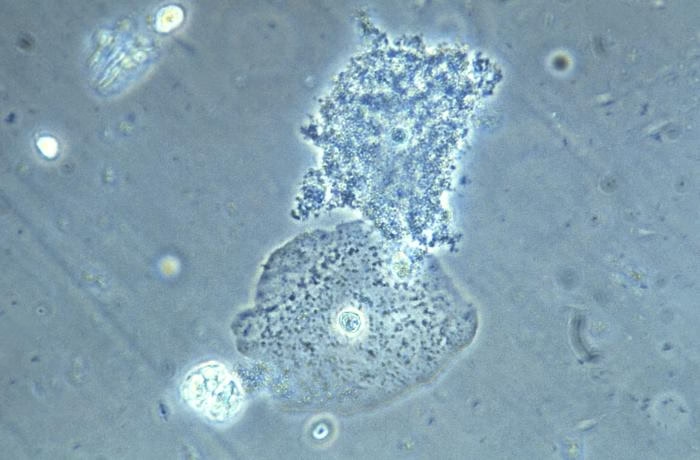
Hey there! So, you might have heard of Candida Albicans before, but do you really know what it is? Well, let me break it down for you. Candida Albicans is a type of yeast that naturally lives in your body, specifically in your mouth, gut, and vagina. In small amounts, it’s totally harmless and even beneficial for your digestive system. However, when it starts to overgrow, that’s when problems can arise.
When Candida Albicans multiplies uncontrollably, it can lead to a condition known as candidiasis. This can cause a range of unpleasant symptoms and health issues, which we’ll get into later. But the key thing to remember is that keeping Candida Albicans in check is important for your overall health and well-being.
Now, you might be wondering what causes Candida Albicans to go haywire in the first place. Well, it can be due to a variety of factors such as a weakened immune system, poor diet high in sugar and refined carbs, stress, or even taking antibiotics that kill off the good bacteria in your gut. So, it’s important to be mindful of these triggers and take steps to maintain a healthy balance of yeast in your body.
Don’t worry though, if you suspect you may have a Candida Albicans overgrowth, there are ways to test for it and treatments available to help you get back on track. In the next sections, we’ll explore the symptoms, risk factors, testing methods, and treatment options for Candida Albicans. So, stay tuned and let’s navigate this together!
Symptoms of Candida Albicans
So, you’ve been feeling a little off lately – maybe you’re experiencing some unexplained fatigue, bloating, or even skin rashes. Could it be Candida Albicans? Let’s dive into the symptoms of this common fungal infection and see if it might be the culprit behind your discomfort.
1. **Oral Thrush**: One of the most common symptoms of Candida Albicans is oral thrush, which presents as white patches in your mouth and throat. If you notice a creamy, cottage-cheese-like substance in your mouth that doesn’t go away with brushing, it might be time to get checked out.
2. **Digestive Issues**: Candida overgrowth in the gut can lead to digestive problems such as bloating, gas, and constipation. If you’ve been feeling unusually gassy or bloated after meals, it could be a sign that Candida is wreaking havoc on your digestive system.
3. **Fatigue**: Feeling constantly tired and sluggish, even after a good night’s sleep? Candida Albicans can cause fatigue by disrupting your body’s natural balance and energy levels. If you find yourself reaching for that third cup of coffee to get through the day, it might be worth investigating further.
4. **Skin Problems**: Candida Albicans can also manifest itself through skin issues such as eczema, acne, or even recurring fungal infections. If you’ve been struggling with stubborn skin problems that don’t seem to respond to traditional treatments, Candida might be the underlying cause.
5. **Recurring Yeast Infections**: For women, recurrent yeast infections can be a telltale sign of Candida overgrowth. If you find yourself constantly battling yeast infections despite following proper hygiene practices, it’s essential to explore the possibility of Candida Albicans as the root cause.
6. **Brain Fog**: Have you been feeling forgetful, unfocused, or just not as sharp as usual? Candida Albicans can also affect cognitive function, leading to symptoms commonly referred to as “brain fog.” If you’re struggling to concentrate or remember things, Candida might be to blame.
These are just a few of the symptoms associated with Candida Albicans, and it’s essential to note that everyone’s experience with this fungal infection can vary. If you suspect you might have Candida overgrowth based on these symptoms, it’s crucial to consult with a healthcare professional for proper diagnosis and treatment.
Remember, early detection and intervention are key to resolving Candida Albicans and restoring your overall health and well-being. Don’t be afraid to seek help and take charge of your health – your body will thank you for it!
Risk Factors for Candida Albicans
Hey there! Let’s talk about some of the risk factors for Candida Albicans, a yeast that can cause infections in various parts of the body. Knowing these risk factors can help you take preventative measures to avoid developing a Candida infection.
1. Weak Immune System
Your immune system plays a crucial role in fighting off infections, including Candida Albicans. If your immune system is weakened due to conditions like HIV/AIDS, cancer, or diabetes, you are at a higher risk of developing a Candida infection. It’s important to take steps to boost your immune system through a healthy diet, regular exercise, and getting enough sleep.
2. Antibiotic Use
Antibiotics are medications that can kill harmful bacteria, but they can also disrupt the balance of good bacteria in your body. This imbalance can create an opportunity for Candida Albicans to overgrow and cause an infection. If you need to take antibiotics, talk to your healthcare provider about ways to prevent a Candida infection, such as probiotics or antifungal medications.
3. Diabetes
People with diabetes, especially those with uncontrolled blood sugar levels, are more susceptible to Candida infections. High levels of sugar in the blood can promote the growth of yeast, leading to an overgrowth of Candida Albicans. Managing your diabetes through diet, exercise, and medication can help reduce your risk of developing a Candida infection.
4. Pregnancy
Pregnant women experience hormonal changes that can increase their risk of developing a Candida infection, particularly in the vaginal area (vaginal yeast infection). It’s essential for pregnant women to maintain good hygiene, wear breathable clothing, and avoid douching to prevent a Candida infection. If you suspect you have a yeast infection during pregnancy, make sure to consult your healthcare provider for proper diagnosis and treatment.
5. Use of Corticosteroids
Corticosteroids are medications that can suppress the immune system and increase the risk of developing fungal infections like Candida Albicans. If you are using corticosteroids for conditions like asthma, arthritis, or skin disorders, it’s important to follow your healthcare provider’s instructions carefully and monitor for any signs of a Candida infection.
By being aware of these risk factors and taking proactive steps to mitigate them, you can lower your chances of developing a Candida Albicans infection. Remember, prevention is key when it comes to maintaining your overall health and well-being!
Testing for Candida Albicans
So, you suspect you might have a Candida Albicans overgrowth, but you’re not quite sure. How can you find out for sure? Well, testing is the key to getting a proper diagnosis and treatment plan for this pesky yeast infection.
When it comes to testing for Candida Albicans, there are a few different options available. Your healthcare provider may recommend one or more of the following tests to determine if you have a Candida overgrowth:
- Blood Test: A blood test can measure levels of antibodies that your body produces in response to Candida Albicans. Elevated levels of these antibodies can indicate a Candida infection.
- Stool Test: This test analyzes a stool sample to detect the presence of Candida Albicans in the digestive tract. It can also identify other gut health markers that may be contributing to your symptoms.
- Urine Test: A urine test can measure levels of D-Arabinitol, a metabolic byproduct of Candida overgrowth. Elevated levels of D-Arabinitol can suggest a Candida infection.
- Saliva Test: A saliva test involves collecting saliva samples at various times throughout the day to detect Candida overgrowth in the mouth and throat. It’s a simple and non-invasive way to assess the presence of Candida.
Each of these tests has its own advantages and limitations, so your healthcare provider will determine which test is most appropriate based on your symptoms and medical history. It’s essential to follow your healthcare provider’s recommendations for testing to get an accurate diagnosis.
Remember, self-diagnosis based on symptoms alone is not reliable, as many other conditions can cause similar symptoms to Candida overgrowth. Testing is the only way to confirm whether Candida Albicans is the culprit behind your health issues.
If you suspect you may have a Candida overgrowth, don’t hesitate to discuss your concerns with your healthcare provider. They can guide you through the testing process and help you get the answers you need to start feeling better.
Testing for Candida Albicans is a crucial step in addressing this common yeast infection. By working with your healthcare provider to determine the most appropriate tests for your situation, you can get on the path to effective treatment and relief from your symptoms. Don’t delay – take charge of your health and get tested for Candida Albicans today!
Types of Candida Albicans Tests
So, you suspect you might have a Candida Albicans overgrowth, and you’re ready to get tested. But what kind of tests are out there? Let’s break it down for you.
1. Blood tests: These tests can detect antibodies in your blood that may indicate a Candida Albicans infection. The most common blood test for Candida is known as the Candida Antibody Test, which measures levels of IgG, IgA, and IgM antibodies.
2. Stool tests: Stool tests can detect the presence of Candida Albicans in your gastrointestinal tract. This type of test can provide valuable information about the extent of the Candida overgrowth and help determine the most effective treatment plan.
3. Urine tests: Urine tests, such as the Organic Acids Test (OAT), can detect metabolites produced by Candida Albicans in the urine. This test can provide insights into the presence of Candida overgrowth and guide treatment decisions.
4. Saliva tests: Saliva tests, such as the Candida Spit Test, involve spitting into a glass of water and observing the formation of strings or cloudy saliva. While this test is not as reliable as other diagnostic tests, it can be a quick and easy way to get an initial indication of a potential Candida infection.
5. Comprehensive Stool Analysis (CSA): This test examines various aspects of your stool, including the presence of Candida Albicans, other pathogens, and imbalances in gut flora. A CSA can provide detailed information about the state of your gut health and guide treatment recommendations.
6. PCR (Polymerase Chain Reaction) tests: PCR tests can detect Candida DNA in various samples, such as blood, stool, or urine. These tests are highly sensitive and can accurately identify the presence of Candida Albicans in the body.
Now that you’re armed with knowledge about the different types of Candida Albicans tests available, you can make an informed decision about which test may be most appropriate for your situation. Remember, diagnosing Candida overgrowth is just the first step – working with a healthcare provider to interpret the test results and develop a personalized treatment plan is crucial for effectively addressing this common yeast infection.
Interpreting Candida Albicans Test Results
So, you’ve taken the tests for Candida Albicans, but now you’re left wondering what all those numbers and values mean. Don’t worry, interpreting the results can seem daunting at first, but with a little guidance, you’ll soon understand what they indicate.
First, let’s talk about the different types of tests you may have taken. Common tests for Candida Albicans include blood tests, stool tests, and urine tests. Each test measures different markers that can indicate the presence of the yeast in your body.
When you receive your test results, you may see values for markers such as IgG, IgM, and IgA antibodies, as well as levels of Candida Albicans in your stool or urine. These values can vary depending on the test and the lab that processed it.
If your test results show elevated levels of antibodies or the presence of Candida Albicans in your stool or urine, it may indicate an overgrowth of the yeast in your body. This can be a sign of Candida Albicans infection, which may require treatment.
However, it’s essential to remember that a positive test result does not always mean you have a Candida Albicans infection. Other factors, such as diet, stress, and medication use, can also affect these test results. Therefore, it’s crucial to consult with a healthcare provider to properly interpret your results and determine the best course of action.
Your healthcare provider will take into account your symptoms, medical history, and test results to make an accurate diagnosis. They may recommend further testing or suggest treatment options based on your individual situation.
If you do receive a diagnosis of Candida Albicans overgrowth, treatment may involve antifungal medications, dietary changes, probiotics, and lifestyle modifications. Your healthcare provider will work with you to develop a treatment plan that addresses the root cause of the overgrowth and helps restore balance in your body.
Remember, interpreting Candida Albicans test results can be complex, but with the guidance of a healthcare provider, you can understand what they mean for your health. By taking proactive steps to address any issues detected by the tests, you can improve your overall well-being and reduce the impact of Candida Albicans on your health.
If you have any questions or concerns about your Candida Albicans test results, don’t hesitate to reach out to your healthcare provider. They are there to help you navigate this process and support you on your journey to better health.
Treatment for Candida Albicans
So, you’ve been diagnosed with Candida Albicans, now what? Don’t worry, you’re not alone, and there are plenty of treatment options available to help you combat this pesky yeast infection.
First things first, it’s important to note that treatment for Candida Albicans will vary depending on the severity of your infection and any underlying health conditions you may have. It’s always best to consult with a healthcare professional to determine the most appropriate course of action for you.
1. **Antifungal Medications:** One of the most common treatment options for Candida Albicans is antifungal medications. These medications can come in various forms, such as creams, suppositories, or oral tablets. They work by killing off the yeast causing the infection and helping to alleviate symptoms like itching, discharge, and discomfort.
2. **Lifestyle Changes:** Making some simple lifestyle changes can also help in treating Candida Albicans. These may include avoiding tight-fitting clothing, wearing cotton underwear, and practicing good hygiene habits. It’s also important to maintain a healthy diet rich in fruits, vegetables, and whole grains, as well as limiting the intake of sugar and refined carbohydrates.
3. **Probiotics:** Probiotics are beneficial bacteria that can help restore the balance of good bacteria in your gut and vagina, which can be disrupted by Candida Albicans. Taking probiotic supplements or consuming probiotic-rich foods like yogurt and kefir may help in preventing and treating yeast infections.
4. **Natural Remedies:** Some people opt for natural remedies to treat Candida Albicans, such as garlic, tea tree oil, or caprylic acid. While these remedies may have some antifungal properties, it’s essential to use them with caution and consult with a healthcare professional before trying them.
5. **Avoiding Triggers:** Identifying and avoiding triggers that exacerbate Candida Albicans is crucial in preventing recurrent infections. Common triggers may include stress, hormonal changes, antibiotics, and a weakened immune system. By addressing these triggers, you can reduce the likelihood of developing yeast infections in the future.
Remember, everyone’s body is different, and what works for one person may not work for another. It’s essential to be patient and persistent in finding the right treatment approach that works best for you. Don’t hesitate to reach out to your healthcare provider if you have any questions or concerns along the way.
In conclusion, Candida Albicans is a common yeast infection that can be effectively treated with the right approach. By following the advice of healthcare professionals, making lifestyle changes, and exploring various treatment options, you can successfully manage and overcome this condition. Stay positive, stay informed, and take control of your health. You’ve got this!
Further Reading