What is Bacterial Vaginosis (BV)?
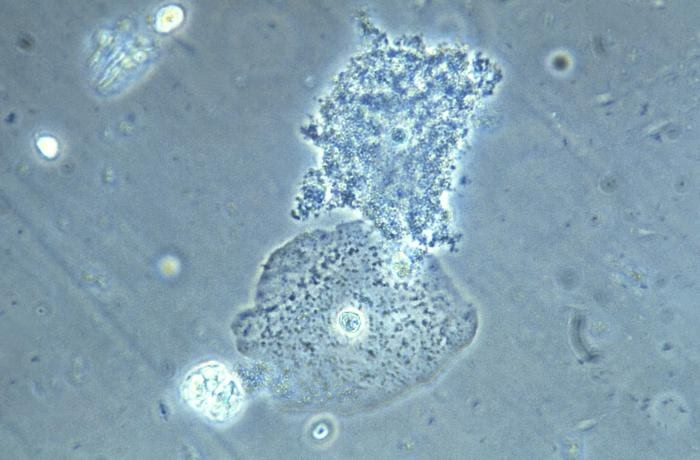
Hello there! Let’s dive into the world of bacterial vaginosis, often referred to as BV. BV is a common vaginal infection that occurs when there is an imbalance of the bacteria that naturally reside in the vagina. Normally, the vagina is home to a delicate balance of “good” and “bad” bacteria. However, when the bad bacteria outweigh the good bacteria, BV can occur.
So, what are the symptoms of BV, you may ask? Well, some common symptoms include a thin, grayish-white vaginal discharge with a fishy odor, itching, burning during urination, and sometimes no symptoms at all. It’s important to note that BV is not considered a sexually transmitted infection, but factors like douching, a new sexual partner, or using scented products can increase the risk of developing BV.
Now, you might be wondering, is BV a serious condition? While BV is not usually serious, it can lead to complications if left untreated, such as an increased risk of acquiring sexually transmitted infections or complications during pregnancy. It’s always best to consult with your healthcare provider if you suspect you have BV to receive the appropriate treatment.
So, how is BV diagnosed and treated? Your healthcare provider may perform a physical exam and take a sample of vaginal discharge to determine if you have BV. Treatment usually involves antibiotics, either in the form of oral medication or vaginal creams/gels. It’s important to complete the full course of treatment as prescribed by your healthcare provider to ensure the infection clears up completely.
Remember, if you suspect you have BV, don’t panic! It’s a common condition that many women experience at some point in their lives. By seeking proper medical care and following the prescribed treatment, you can effectively manage BV and prevent it from recurring. Take care of yourself, and don’t hesitate to reach out to your healthcare provider if you have any concerns about BV or your vaginal health.
Can You Use Tampons While Dealing with BV?
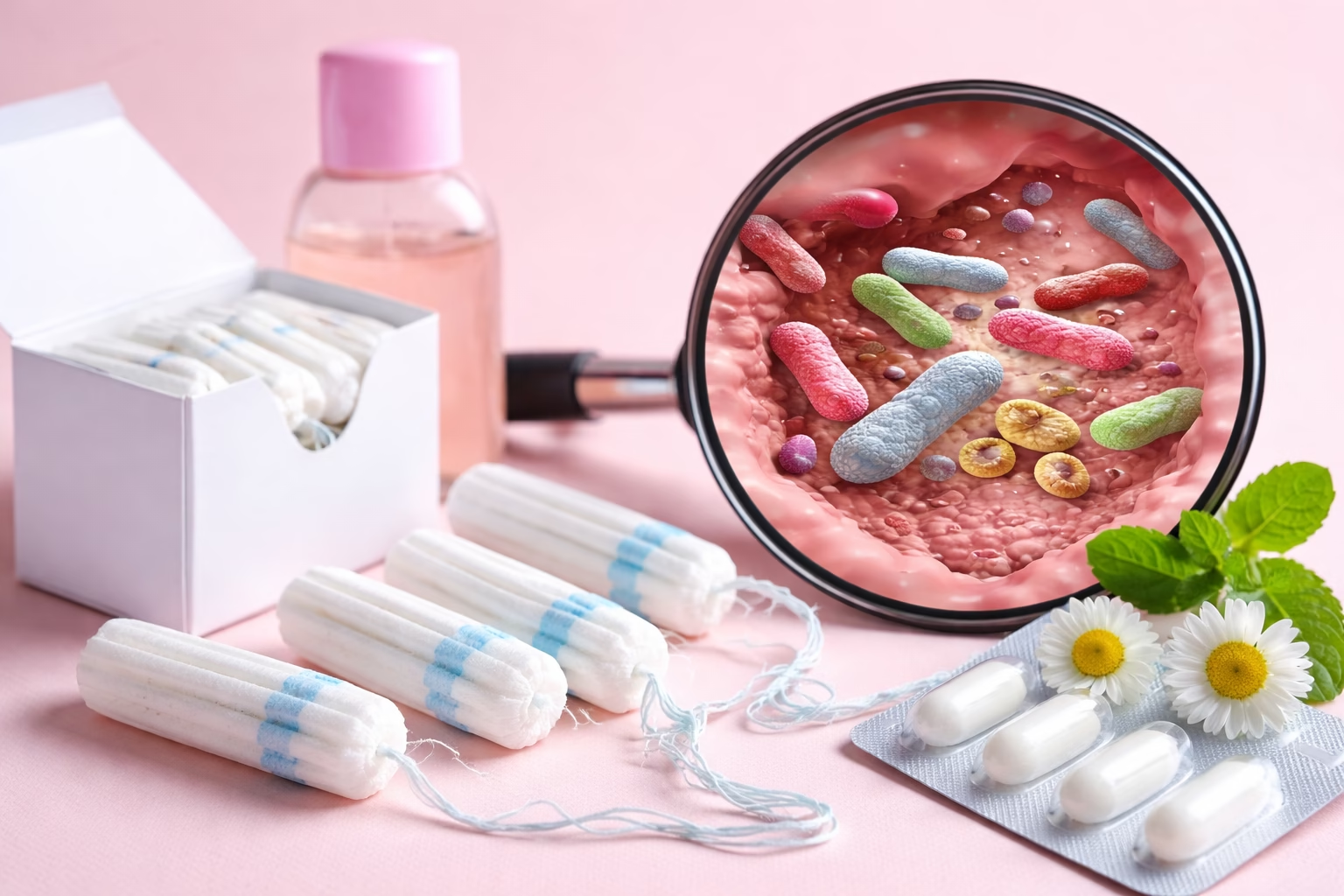
So, you’re dealing with Bacterial Vaginosis (BV) and wondering if it’s okay to use tampons? The short answer is yes, you can still use tampons while managing BV. However, there are a few things to consider to ensure you’re doing so safely and effectively.
Using tampons while dealing with BV is generally safe, but it’s crucial to be mindful of a few factors. BV is a common vaginal infection caused by an imbalance of bacteria in the vagina, leading to symptoms like unusual vaginal discharge, odor, and itching. While tampons may not directly cause BV, they can potentially exacerbate the symptoms or disrupt the delicate balance of bacteria in the vagina.
When using tampons with BV, it’s essential to choose the right type of tampon and be extra cautious about hygiene to prevent any complications. Opt for unscented tampons made from natural materials like cotton to minimize irritation and reduce the risk of further disrupting your vaginal flora.
It’s also crucial to change your tampons frequently, ideally every 4-6 hours, to prevent bacteria from multiplying and causing additional discomfort. Regularly changing your tampons can help maintain good vaginal hygiene and reduce the likelihood of worsening BV symptoms.
Remember that tampons are not a treatment for BV and should not be used as a substitute for proper medical care. If you suspect you have BV or are experiencing persistent symptoms, it’s essential to consult with a healthcare provider for an accurate diagnosis and appropriate treatment.
While using tampons with BV is generally safe, it’s essential to listen to your body and pay attention to any changes or worsening symptoms. If you notice increased irritation, unusual discharge, or persistent odor while using tampons, it’s crucial to stop and consult with a healthcare provider for further guidance.
Ultimately, the decision to use tampons while dealing with BV is a personal one, and it’s essential to prioritize your comfort and health. By following proper hygiene practices, choosing the right tampons, and seeking medical advice when needed, you can effectively manage BV while using tampons safely.
Risks of Using Tampons with BV
When dealing with bacterial vaginosis (BV), it’s essential to consider the potential risks of using tampons. While tampons themselves do not cause BV, they can potentially exacerbate the symptoms and make the condition worse. Here are some risks to be aware of:
- Disruption of the Vaginal pH Balance: Tampons can disrupt the delicate balance of bacteria in the vagina, making it easier for harmful bacteria to thrive. This imbalance can worsen BV symptoms and lead to an increased risk of recurrence.
- Increased Risk of Infection: Inserting a tampon when you have BV can introduce more bacteria into the vagina, potentially leading to an increased risk of infection. This can prolong the healing process and make it harder to manage BV effectively.
- Irritation and Inflammation: Tampons can cause irritation and inflammation in the vaginal area, especially when dealing with BV. This can result in discomfort, itching, and increased vaginal discharge, making it harder to manage BV symptoms.
- Masking Symptoms: Using tampons while experiencing BV symptoms can mask the underlying issue, making it harder to diagnose and treat the condition effectively. It’s essential to address the root cause of BV rather than simply managing the symptoms.
While using tampons with BV is not necessarily off-limits, it’s crucial to be mindful of these potential risks and take steps to minimize them. If you choose to use tampons while dealing with BV, make sure to monitor your symptoms closely and seek medical advice if you notice any worsening or new symptoms.
Alternatives to Tampons for Managing BV
Dealing with bacterial vaginosis (BV) can be uncomfortable, but there are alternatives to using tampons that may help manage your symptoms more effectively. Here are some options to consider:
- Menstrual Pads: Using menstrual pads instead of tampons can help reduce irritation and allow for better airflow, which may help alleviate BV symptoms. Pads are also less likely to disrupt the natural balance of bacteria in the vagina.
- Menstrual Cups: Menstrual cups are a reusable alternative to tampons that collect menstrual blood rather than absorbing it. They are made of medical-grade silicone or rubber and can be a good option for women with BV as they do not interfere with the vaginal pH balance.
- Cloth Pads: Cloth pads are another eco-friendly and reusable option for managing your period. They are made of soft, breathable materials and can be washed and reused, making them a sustainable choice for women with BV.
- Period Underwear: Period underwear is designed to absorb menstrual flow and can be a comfortable and convenient alternative to tampons. They are made of moisture-wicking fabrics that help keep you dry and comfortable, which can be beneficial for women dealing with BV.
It’s important to note that while these alternatives may help manage your BV symptoms, it’s essential to consult with your healthcare provider before making any changes to your menstrual hygiene routine. They can provide personalized advice based on your individual needs and help you find the best solution for your situation.
Remember, maintaining good hygiene practices, avoiding irritants, and staying hydrated can also help alleviate BV symptoms. Make sure to follow your healthcare provider’s recommendations and take care of your overall health to reduce the risk of recurring BV episodes.
Tips for Using Tampons Safely with BV
Dealing with bacterial vaginosis (BV) can be uncomfortable, but it doesn’t mean you have to give up using tampons altogether. With the right precautions and care, you can still use tampons safely while managing BV. Here are some tips to help you navigate this situation:
- Choose unscented and organic tampons: Opt for tampons that are unscented and made from organic cotton to minimize irritation and reduce the risk of exacerbating BV symptoms.
- Change your tampon frequently: It’s essential to change your tampon regularly, ideally every 4-6 hours, to prevent bacterial overgrowth and minimize the risk of infection.
- Avoid super-absorbent tampons: Super-absorbent tampons can dry out the vagina and disrupt its natural pH balance, which can worsen BV symptoms. Stick to regular absorbency tampons.
- Practice good hygiene: Wash your hands before and after inserting a tampon to reduce the risk of introducing harmful bacteria. Also, make sure to wash your genital area daily with mild soap and water.
- Avoid using scented feminine products: Scented tampons or feminine hygiene products can irritate the vagina and disrupt its pH balance, making it more susceptible to BV. Stick to unscented options.
- Consider using a menstrual cup: If tampons seem to aggravate your BV symptoms, consider trying a menstrual cup as an alternative. Menstrual cups are reusable and don’t contain any chemicals that could disrupt your vaginal flora.
Remember, it’s crucial to listen to your body and be mindful of how you’re feeling while using tampons with BV. If you experience increased irritation, unusual discharge, or persistent symptoms, it’s best to consult with your healthcare provider for further guidance and treatment options.
How to Prevent BV While Using Tampons
Dealing with bacterial vaginosis (BV) can be uncomfortable, but using tampons while managing BV doesn’t have to be a hassle. Here are some tips to help you prevent BV while using tampons:
- Choose the Right Tampons: Opt for tampons made from organic cotton to reduce the risk of irritation and infection. Avoid scented tampons, as they can disrupt the natural pH balance of your vagina.
- Change Tampons Regularly: It’s important to change your tampon every 4-6 hours to prevent bacterial overgrowth. Leaving a tampon in for too long can increase the risk of developing BV.
- Maintain Good Hygiene: Wash your hands before and after inserting a tampon to prevent the spread of bacteria. Avoid using harsh soaps or douches in the vaginal area, as they can disrupt the natural flora and lead to BV.
- Avoid Using Tampons Overnight: To give your vagina a break, consider using pads or menstrual cups overnight instead of tampons. This can help reduce the risk of BV and allow your body to naturally cleanse itself.
- Stay Hydrated: Drinking plenty of water can help flush out toxins and bacteria from your body, reducing the likelihood of developing BV. Aim for at least 8 glasses of water per day to stay hydrated and maintain vaginal health.
- Eat a Balanced Diet: Consuming a diet rich in fruits, vegetables, and probiotics can help support a healthy vaginal flora. Probiotic-rich foods like yogurt, kefir, and sauerkraut can help maintain a balanced pH level in your vagina, reducing the risk of BV.
- Practice Safe Sex: Using condoms during sex can help prevent the spread of bacteria and reduce the risk of developing BV. Make sure to communicate with your partner about your BV status and take necessary precautions to protect your vaginal health.
By following these tips, you can help prevent BV while using tampons and maintain a healthy vaginal environment. If you experience persistent symptoms of BV such as unusual discharge, itching, or odor, it’s important to consult with a healthcare provider for proper diagnosis and treatment. Remember, your vaginal health is important, so take care of yourself and listen to your body’s needs.
When to Seek Medical Advice
Hey there! So, you’ve been dealing with Bacterial Vaginosis (BV) and wondering when it’s time to seek medical advice? Let’s talk about that.
First off, if you’ve been experiencing symptoms of BV such as unusual vaginal discharge, itching, or a strong fishy odor, it’s essential to consult your healthcare provider. They can perform tests to confirm if it is indeed BV and prescribe the appropriate treatment.
Now, if you’re using tampons while managing BV, and you notice any worsening of symptoms like increased discharge, irritation, or pain, it’s a good idea to reach out to your healthcare provider. These could be signs that the BV is not responding to treatment or that there may be another issue at play.
It’s also important to seek medical advice if you’re pregnant and dealing with BV. Untreated BV during pregnancy can increase the risk of complications such as preterm birth or low birth weight. Your healthcare provider can provide safe and effective treatment options for pregnant individuals.
If you’ve been treating BV at home with over-the-counter remedies or natural methods and haven’t seen any improvement after a week or so, it’s a good idea to seek professional medical advice. Your healthcare provider can provide guidance on the best course of action, whether that involves a different treatment approach or further evaluation.
Remember, your healthcare provider is there to help you navigate any concerns or questions you have about BV. Don’t hesitate to reach out if you’re unsure about your symptoms or treatment plan. It’s always better to be safe than sorry when it comes to your health.
Take care of yourself, and don’t hesitate to seek medical advice when needed. Your health is important, and your healthcare provider is there to support you every step of the way!
Further Reading