
So, you’ve heard about the wonders of Vitamin C, but did you know that it could potentially help with yeast infections too? Yes, you read that right! Vitamin C, also known as ascorbic acid, is not only great for boosting your immune system and keeping colds at bay, but it might also play a role in preventing yeast infections.
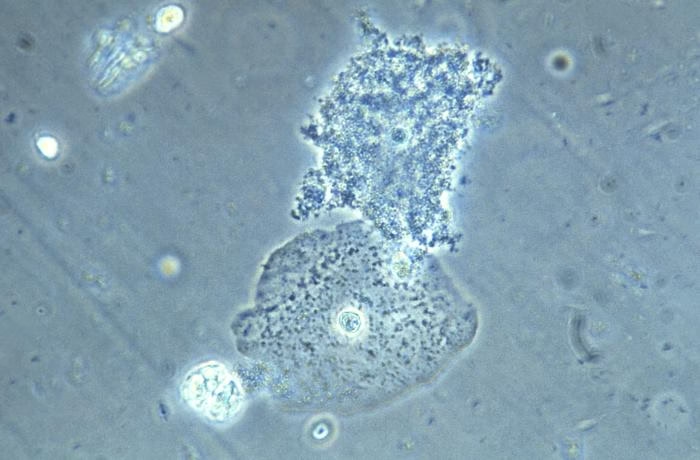
Now, you might be wondering, what exactly is a yeast infection? Well, let me break it down for you. Yeast infections are caused by an overgrowth of a type of fungus called Candida, which is naturally found in the body. When the balance of bacteria and yeast in the body is disrupted, it can lead to an overgrowth of Candida, resulting in symptoms such as itching, burning, and discharge.
So, where does Vitamin C come into play? Vitamin C is known for its antioxidant properties, which help to boost the immune system and fight off infections. Some studies suggest that Vitamin C may also have antifungal properties, which could potentially help in preventing yeast infections.
Research has shown that Vitamin C may help in maintaining a healthy balance of bacteria and yeast in the body, thereby reducing the risk of yeast infections. Additionally, Vitamin C is known to help in regulating the pH levels in the body, which is important in maintaining a healthy environment for beneficial bacteria to thrive.
Now, you might be thinking, “Is there any scientific evidence to support the link between Vitamin C and yeast infections?” Well, you’re in luck! There have been several research studies that have explored the potential benefits of Vitamin C in preventing yeast infections.
So, if you’re looking to incorporate Vitamin C into your routine to help prevent yeast infections, stay tuned for some tips on how to do so effectively. Trust me, your body will thank you!
Understanding Yeast Infections
So, you’ve probably heard about yeast infections before, but do you really know what they are all about? Well, allow me to shed some light on the topic!
Yeast infections are caused by an overgrowth of a type of fungus called Candida. Normally, this fungus lives in our bodies in balance with other bacteria and fungi. However, when something disrupts this delicate balance, such as taking antibiotics, having a weakened immune system, or experiencing hormonal changes, Candida can multiply and cause an infection.
The most common type of yeast infection is vaginal yeast infection, which affects many women at some point in their lives. It can cause symptoms like itching, burning, and unusual discharge. Yeast infections can also occur in other parts of the body, such as the mouth (oral thrush) and skin folds.
It’s important to note that yeast infections are not considered sexually transmitted infections, although they can be passed from person to person through sexual contact.
Now, you may be wondering, how can I prevent yeast infections or treat them if I already have one? Well, that’s where good hygiene practices, a healthy diet, and possibly even Vitamin C come into play. Yes, that’s right – Vitamin C, the powerhouse nutrient that plays a crucial role in boosting our immune system and fighting off infections.
Stay tuned for more information on the potential link between Vitamin C and yeast infections, as well as some tips on how you can use Vitamin C to prevent these pesky infections in the first place. Trust me, you’ll want to keep reading for all the juicy details!
Now, let’s dive into the world of yeast infections and how you can navigate your way through them with confidence and knowledge.
Benefits of Vitamin C
Let’s talk about everyone’s favorite vitamin – Vitamin C! You probably know it as the go-to remedy for colds and flu, but did you know that Vitamin C can also play a role in preventing yeast infections? Yes, you read that right – this powerful antioxidant has a lot more to offer than just boosting your immune system!
- Immune System Support: Vitamin C is essential for a healthy immune system. It helps the body produce white blood cells, which are responsible for fighting off infections, including yeast infections. By strengthening your immune system, you can reduce your risk of developing a yeast infection.
- Antioxidant Properties: Vitamin C is a potent antioxidant that helps protect your body from oxidative stress caused by free radicals. Yeast infections thrive in environments with high levels of oxidative stress, so ensuring you have enough Vitamin C can help keep those pesky infections at bay.
- Regulating pH Levels: Vitamin C can help regulate the pH levels in your body, making it harder for yeast to grow and spread. By maintaining a healthy pH balance, you can create an environment that is less hospitable to yeast, reducing your chances of developing an infection.
- Reducing Inflammation: Yeast infections can cause inflammation and discomfort in the affected areas. Vitamin C has anti-inflammatory properties that can help reduce inflammation and soothe symptoms associated with yeast infections.
So, as you can see, Vitamin C offers a wide range of benefits that can help prevent yeast infections and promote overall health and well-being. Incorporating Vitamin C-rich foods such as oranges, strawberries, bell peppers, and broccoli into your diet can be a delicious way to boost your intake of this essential nutrient.
However, it’s important to note that while Vitamin C can be a helpful ally in preventing yeast infections, it should not be used as a substitute for medical treatment. If you suspect you have a yeast infection or are experiencing recurrent infections, it’s important to consult with a healthcare provider for proper diagnosis and treatment.
Remember, a balanced diet, good hygiene practices, and regular medical check-ups are key factors in maintaining your overall health and preventing yeast infections. So, don’t forget to include Vitamin C in your daily routine and keep those pesky yeast infections at bay!
Potential Link Between Vitamin C and Yeast Infections
So, you may be wondering – what’s the deal with Vitamin C and yeast infections? Well, let’s dive into it!
First off, let’s clarify that yeast infections are caused by an overgrowth of a type of yeast called Candida. This pesky yeast can wreak havoc on our bodies, causing uncomfortable symptoms like itching, burning, and discharge in the vaginal area (for women) or on the skin and mouth. It’s definitely not a fun situation to deal with!
Now, let’s talk about Vitamin C. This powerhouse nutrient is well-known for its immune-boosting properties and its ability to fight off infections. It plays a crucial role in supporting our immune system, which is our body’s defense mechanism against harmful pathogens like yeast.
Research has suggested that Vitamin C may have anti-fungal properties that can help inhibit the growth of yeast. This means that incorporating Vitamin C-rich foods or supplements into your diet might potentially help in preventing or managing yeast infections.
However, it’s important to note that while Vitamin C can be beneficial, it’s not a standalone solution for treating yeast infections. If you suspect you have a yeast infection, it’s crucial to consult with a healthcare provider for proper diagnosis and treatment.
In addition to its potential anti-fungal properties, Vitamin C also promotes overall vaginal health by maintaining the acidity of the vaginal environment. A healthy acidic pH level in the vagina helps to prevent the overgrowth of yeast and harmful bacteria.
So, how can you ensure you’re getting enough Vitamin C to possibly help prevent yeast infections? Well, you can start by incorporating Vitamin C-rich foods into your diet, such as citrus fruits, strawberries, bell peppers, and leafy greens. You can also consider taking a Vitamin C supplement if needed, but be sure to consult with a healthcare provider to determine the right dosage for you.
Remember, maintaining a balanced diet rich in essential nutrients like Vitamin C is not only beneficial for your overall health but may also play a role in supporting your body’s natural defenses against yeast infections.
In conclusion, while Vitamin C may have potential benefits in preventing yeast infections, it’s just one piece of the puzzle. It’s always best to take a holistic approach to your health by incorporating a nutritious diet, practicing good hygiene, and seeking professional medical advice when needed.
Stay healthy, stay informed, and take care of yourself! 😊
Research Studies on Vitamin C and Yeast Infections
Alright, buckle up folks! We’re diving into the world of research studies on Vitamin C and yeast infections. This might sound a bit daunting, but don’t worry, we’ll make it fun and easy to understand.
So, researchers have been curious about the potential link between Vitamin C and yeast infections for quite some time. And guess what? There have been some interesting findings that suggest that Vitamin C may actually play a role in preventing and treating yeast infections.
A study published in the Journal of Reproductive Medicine found that Vitamin C can help maintain the acidic pH levels in the vagina, which is important for keeping yeast growth in check. This acidic environment makes it harder for yeast to thrive and cause infections.
Another study in the Journal of Antimicrobial Chemotherapy showed that Vitamin C has antifungal properties, meaning it can help fight off the yeast that causes infections. This is pretty cool, right?
But wait, there’s more! A study in the Journal of Clinical Biochemistry and Nutrition suggested that Vitamin C can boost the immune system, which can help the body fight off yeast infections more effectively. So, not only does Vitamin C have direct effects on yeast, but it can also support your body’s natural defenses.
Now, keep in mind that while these studies are promising, more research is needed to fully understand the relationship between Vitamin C and yeast infections. It’s always a good idea to consult with a healthcare provider before making any major changes to your diet or supplement routine.
So, what’s the bottom line? Vitamin C could be a valuable tool in the fight against yeast infections. Whether you’re looking to prevent them or treat them, incorporating Vitamin C-rich foods or supplements into your routine might just give you that extra edge.
Remember, maintaining a healthy lifestyle, including a balanced diet, regular exercise, and good hygiene practices, is key to keeping yeast infections at bay. And hey, Vitamin C might just be the cherry on top!
Tips for Using Vitamin C to Prevent Yeast Infections
Are you looking for a natural way to prevent yeast infections? Vitamin C might just be your answer! Not only is Vitamin C essential for your overall health, but it can also play a crucial role in keeping yeast infections at bay. Here are some tips to help you use Vitamin C effectively in preventing yeast infections:
- Boost Your Immune System: Vitamin C is known to boost your immune system, which can help your body fight off yeast infections more effectively. Make sure to include Vitamin C-rich foods in your diet such as citrus fruits, strawberries, bell peppers, and broccoli.
- Consider Vitamin C Supplements: If you find it challenging to get enough Vitamin C from your diet alone, consider taking Vitamin C supplements. Consult with your healthcare provider to determine the right dosage for you.
- Use Vitamin C Topically: Vitamin C can also be used topically to prevent yeast infections. You can try using Vitamin C serums or creams in the vaginal area to maintain a healthy pH balance and ward off yeast overgrowth.
- Avoid Excessive Sugar Intake: Yeast feeds on sugar, so it’s essential to limit your sugar intake to prevent yeast infections. Vitamin C can help mitigate the effects of sugar on yeast overgrowth, but it’s crucial to maintain a balanced diet.
- Stay Hydrated: Drinking plenty of water can help flush out toxins from your body, including excess yeast. Vitamin C can enhance the detoxification process, so make sure to stay hydrated throughout the day.
- Practice Good Hygiene: Maintaining good hygiene practices can also help prevent yeast infections. Make sure to keep the vaginal area clean and dry, and consider using Vitamin C-infused hygiene products for added protection.
Remember, while Vitamin C can be beneficial in preventing yeast infections, it’s essential to consult with your healthcare provider before making any significant changes to your diet or supplement regimen. They can provide personalized advice based on your individual health needs and help you make informed decisions about incorporating Vitamin C into your routine.
By following these tips and incorporating Vitamin C into your daily routine, you can potentially reduce your risk of developing yeast infections and enjoy better vaginal health overall. Give Vitamin C a try and see the positive impact it can have on your well-being!
So, you’ve heard about the potential benefits of using Vitamin C to prevent yeast infections, but you’re not quite sure where to start. Well, fear not! I’ve got you covered with some tips and tricks to help you incorporate this powerful antioxidant into your routine.