Are you familiar with bacterial vaginosis (BV)? It’s a common vaginal infection that many women experience at some point in their lives. Don’t worry, you’re not alone! BV occurs when there is an imbalance of bacteria in the vagina, leading to symptoms like unusual discharge, itching, and a strong fishy odor.
- Keflex is not a first-line treatment for BV; metronidazole or clindamycin are generally preferred.
- Keflex is a cephalosporin antibiotic that inhibits bacterial cell wall formation to reduce infection.
- Dosing often cited is 500 mg orally every 6 hours for 7–14 days, follow your provider's prescription.
- Common side effects include nausea, diarrhea, and possible allergic reactions or secondary yeast infections.
- Consult a healthcare provider before using Keflex; practice good genital hygiene to help prevent recurrence.
Now, you may be wondering how to treat BV effectively. One option that may come to mind is Keflex, an antibiotic medication that is commonly prescribed for various bacterial infections. But can Keflex actually help with BV? Let’s dive into this topic and explore how Keflex works for bacterial vaginosis.
Before we delve into the details, it’s essential to understand the basics of BV and how it can impact your overall vaginal health. BV is not a sexually transmitted infection (STI), but it can increase your risk of developing complications like pelvic inflammatory disease (PID) if left untreated. That’s why it’s crucial to seek medical advice if you suspect you have BV.
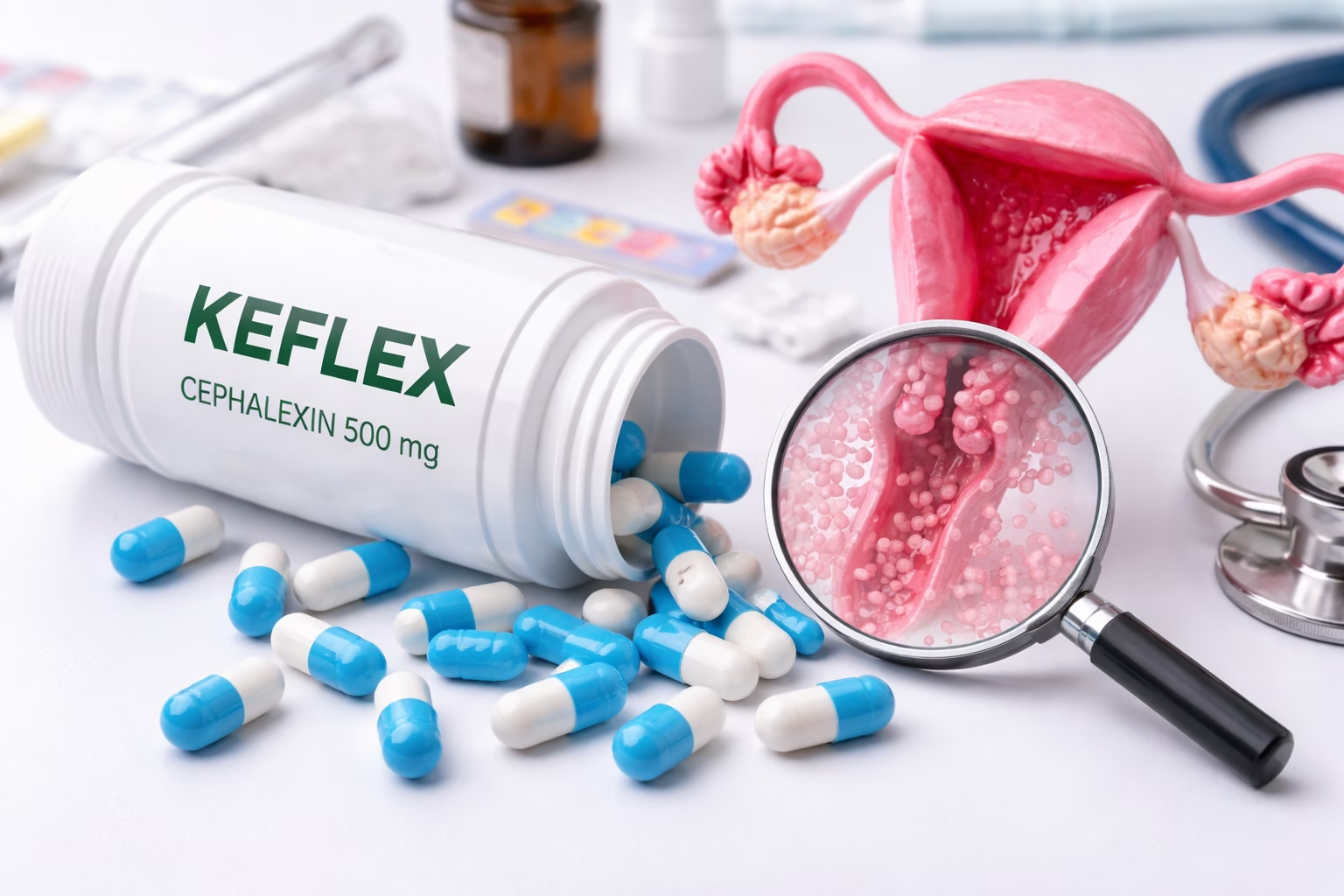
Now, let’s talk about Keflex. This antibiotic belongs to a class of medications known as cephalosporins, which are effective against a wide range of bacterial infections. While Keflex is not typically the first-line treatment for BV, some healthcare providers may prescribe it in certain cases.
So, how does Keflex work for BV? Keflex works by inhibiting the growth of bacteria in the body, ultimately helping to eliminate the infection. It targets specific types of bacteria that may be contributing to the imbalance in your vaginal flora, helping to restore a healthy balance.
When it comes to dosing and administration of Keflex for BV, it’s essential to follow your healthcare provider’s instructions carefully. Typically, Keflex is taken orally in the form of capsules or tablets, and the dosage and duration of treatment will vary depending on the severity of your infection.
Like any medication, Keflex may have potential side effects when used to treat BV. These can include nausea, vomiting, diarrhea, and allergic reactions. If you experience any severe or persistent side effects while taking Keflex, be sure to contact your healthcare provider immediately.
In conclusion, while Keflex may not be the first-line treatment for BV, it can be effective in certain cases. If you suspect you have BV or are experiencing symptoms of an infection, it’s essential to seek medical advice promptly. Your healthcare provider can help determine the most appropriate treatment plan for your specific situation.
Stay informed, take care of your vaginal health, and remember that BV is a common condition that can be effectively managed with the right treatment. Don’t hesitate to reach out to your healthcare provider if you have any concerns or questions about BV and how to treat it effectively.
Overview of Keflex
Hey there! Today, let’s talk about Keflex, a commonly prescribed antibiotic that belongs to the cephalosporin class. You might have heard about Keflex being used to treat various bacterial infections, but let’s dive deeper into what this medication is all about.
Keflex, also known by its generic name cephalexin, is used to treat a wide range of bacterial infections, including respiratory tract infections, skin infections, urinary tract infections, and even bone infections. It works by stopping the growth of bacteria, helping your body’s natural defenses to fight off the infection more effectively.
One of the reasons Keflex is a popular choice for many healthcare providers is its effectiveness against a broad spectrum of bacteria. This means that it can be used to treat different types of bacterial infections, making it a versatile and reliable option for many patients.
Now, you might be wondering how Keflex is available for use. Well, it comes in various forms, including capsules, tablets, and liquid suspension, making it easy to take depending on your specific needs and preferences. Your healthcare provider will determine the most suitable form and dosage for you based on the type and severity of your infection.
It’s important to note that Keflex is a prescription medication, so you should always follow your healthcare provider’s guidance when taking this antibiotic. Make sure to take the full course of treatment as prescribed, even if you start to feel better before finishing the medication. This will help prevent the bacteria from developing resistance to the antibiotic and ensure that the infection is fully eradicated.
When taking Keflex, it’s also essential to be aware of any potential side effects that may occur. Common side effects of Keflex include nausea, diarrhea, and stomach upset. If you experience any severe or persistent side effects, be sure to contact your healthcare provider immediately for further evaluation and guidance.
Overall, Keflex is a trusted and effective antibiotic that can help treat a variety of bacterial infections. By following your healthcare provider’s instructions and taking the medication as directed, you can effectively combat the infection and get back to feeling your best in no time.
Can Keflex Treat BV?
So, you’ve been dealing with the uncomfortable symptoms of Bacterial Vaginosis (BV) and you’re wondering if Keflex could be the solution you’ve been looking for. Well, the short answer is that Keflex is not typically used as a first-line treatment for BV. BV is usually treated with antibiotics that are specifically targeted towards the bacteria that cause the infection. Keflex, also known as cephalexin, is more commonly used to treat bacterial infections in other parts of the body, such as skin infections or respiratory infections.
When it comes to treating BV, healthcare providers usually prescribe medications like metronidazole or clindamycin, which are more effective at targeting the specific bacteria that cause BV. These antibiotics are better suited for treating vaginal infections and have been proven to be more successful in clearing up BV symptoms.
It’s important to consult with your healthcare provider before starting any treatment for BV. They will be able to determine the best course of action based on your individual situation and provide you with the most effective treatment options.
While Keflex may not be the go-to option for treating BV, it’s always best to follow the advice of your healthcare provider when it comes to managing your health. They have the knowledge and expertise to guide you towards the most appropriate treatment plan for your specific needs.
How Does Keflex Work for BV?
When it comes to treating bacterial vaginosis (BV), antibiotics are often prescribed to help eliminate the harmful bacteria causing the infection. Keflex, also known by its generic name cephalexin, is a type of antibiotic that belongs to the cephalosporin class. So, how does Keflex actually work to combat BV?
First and foremost, Keflex works by inhibiting the growth of bacteria. It does this by interfering with the formation of the bacterial cell wall, which is essential for the survival of the bacteria. By disrupting this process, Keflex effectively weakens the bacteria, making it easier for the body’s immune system to fight off the infection.
Specifically for BV, Keflex targets the bacteria responsible for causing the imbalance in the vaginal flora. By targeting and killing off these harmful bacteria, Keflex helps restore the natural balance of bacteria in the vagina, ultimately alleviating the symptoms of BV and promoting healing.
It’s important to note that Keflex is not specifically designed to treat BV, but it is sometimes prescribed off-label for this purpose. While Keflex can be effective in treating BV, it’s essential to follow your healthcare provider’s instructions carefully and complete the full course of antibiotics to ensure that the infection is completely eradicated.
As with any medication, it’s crucial to consult with your healthcare provider before starting Keflex or any other antibiotic for BV. Your healthcare provider will be able to determine the most appropriate treatment plan for your specific case, taking into account factors such as your medical history, any allergies you may have, and the severity of your symptoms.
While Keflex can be an effective treatment for BV, it’s not a one-size-fits-all solution. Some individuals may not respond well to Keflex or may experience side effects that outweigh the benefits. In these cases, your healthcare provider may recommend alternative treatments or medications.
Overall, Keflex can be a valuable tool in the treatment of BV when used correctly and under the guidance of a healthcare provider. By understanding how Keflex works to combat BV and following your provider’s instructions, you can help ensure a successful outcome and faster recovery from this common infection.
Dosage and Administration of Keflex for BV
So, you’ve been diagnosed with Bacterial Vaginosis (BV) and your healthcare provider has recommended Keflex as a possible treatment option. Now, you may be wondering about the dosage and how to properly take Keflex to effectively treat BV. Don’t worry, I’ve got you covered!
1. Dosage:
The typical dosage of Keflex for treating BV is usually 500mg taken orally every 6 hours for a duration of 7-14 days. However, it’s important to follow the exact prescription provided by your healthcare provider. Do not exceed the recommended dosage without consulting them first.
2. Administration:
Keflex can be taken with or without food. It’s essential to take the medication at evenly spaced intervals to maintain a consistent level of the drug in your body. Make sure to complete the full course of treatment even if you start feeling better before the prescribed duration is over. This will help ensure that the infection is completely eradicated.
3. Additional Tips:
- Remember to take Keflex at the same times each day to help you remember and maintain consistent levels in your body.
- If you happen to miss a dose, take it as soon as you remember. However, if it’s almost time for your next dose, skip the missed one and continue with your regular schedule.
- Avoid consuming alcohol while on Keflex, as it can reduce the effectiveness of the medication and may also lead to unpleasant side effects.
- If you experience severe or persistent side effects, contact your healthcare provider immediately. They may need to adjust your dosage or recommend an alternative treatment.
By following these guidelines and carefully adhering to your healthcare provider’s instructions, you can effectively use Keflex to treat Bacterial Vaginosis and get back to feeling like yourself again. Remember, your health is important, so don’t hesitate to reach out if you have any concerns or questions along the way.
Potential Side Effects of Using Keflex for BV
Hey there! So, you’re considering using Keflex to treat Bacterial Vaginosis (BV), but you’re wondering about the potential side effects, right? Don’t worry, I’ve got you covered! Let’s talk about what you might expect when using Keflex for BV.
1. Common Side Effects:
- Upset stomach
- Nausea
- Vomiting
- Diarrhea
These side effects are usually mild and may go away on their own as your body adjusts to the medication. Remember to stay hydrated and let your healthcare provider know if they persist or become severe.
2. Allergic Reactions:
- Rash
- Itching
- Swelling of the face, tongue, or throat
- Difficulty breathing
If you experience any signs of an allergic reaction while taking Keflex, stop using it immediately and seek medical attention. Allergic reactions can be serious and require prompt treatment.
3. Yeast Infections:
- Keflex can disrupt the natural balance of bacteria in the vagina, leading to an overgrowth of yeast and a yeast infection.
- Watch out for symptoms such as itching, burning, and unusual discharge.
- If you suspect a yeast infection, talk to your healthcare provider for appropriate treatment.
4. Drug Interactions:
- Keflex may interact with certain medications, such as blood thinners or probenecid.
- Inform your healthcare provider about all the medications you are taking to avoid any potential interactions.
Remember, everyone reacts differently to medications, so it’s important to pay attention to how your body responds to Keflex. If you experience any new or concerning symptoms while using Keflex for BV, don’t hesitate to reach out to your healthcare provider for guidance.
In conclusion, while Keflex can be an effective treatment for BV, it’s essential to be aware of the potential side effects and take necessary precautions. By staying informed and communicating with your healthcare provider, you can ensure a safe and successful treatment journey. Take care of yourself, and here’s to better health!
Conclusion and Recommendations
After exploring the potential use of Keflex for treating Bacterial Vaginosis (BV), it is important to consider various factors before deciding on this course of treatment. While Keflex is a commonly prescribed antibiotic for a range of bacterial infections, its effectiveness in treating BV may vary from person to person. It is crucial to consult with a healthcare provider before starting any new treatment.
When it comes to using Keflex for BV, it is essential to follow the prescribed dosage and administration instructions provided by your healthcare provider. Taking the medication as directed and completing the full course of treatment is crucial in ensuring the effectiveness of the antibiotic in combating the bacterial infection.
It is important to be aware of the potential side effects of using Keflex for BV. While most people tolerate the medication well, some individuals may experience side effects such as nausea, diarrhea, or allergic reactions. If you experience any severe or persistent side effects, it is imperative to seek medical attention immediately.
In addition to using Keflex, it is essential to practice good genital hygiene and maintain a healthy lifestyle to prevent recurrent episodes of BV. This includes wearing breathable cotton underwear, avoiding douching, and practicing safe sex. Maintaining a balanced diet and staying hydrated can also help support overall vaginal health.
Lastly, if you are experiencing symptoms of BV such as unusual vaginal discharge, odor, or itching, it is vital to seek medical advice promptly. Your healthcare provider can perform the necessary tests to confirm the diagnosis and recommend the most appropriate treatment for your specific case.
Remember, every individual’s body is different, and what works for one person may not work for another. It is always best to consult with a healthcare professional who can provide personalized recommendations based on your unique health needs.
Overall, while Keflex may be an option for treating BV in some cases, it is essential to approach the treatment with caution and under the guidance of a healthcare provider. By staying informed, following medical advice, and maintaining good vaginal health practices, you can effectively manage and prevent Bacterial Vaginosis.
Further Reading