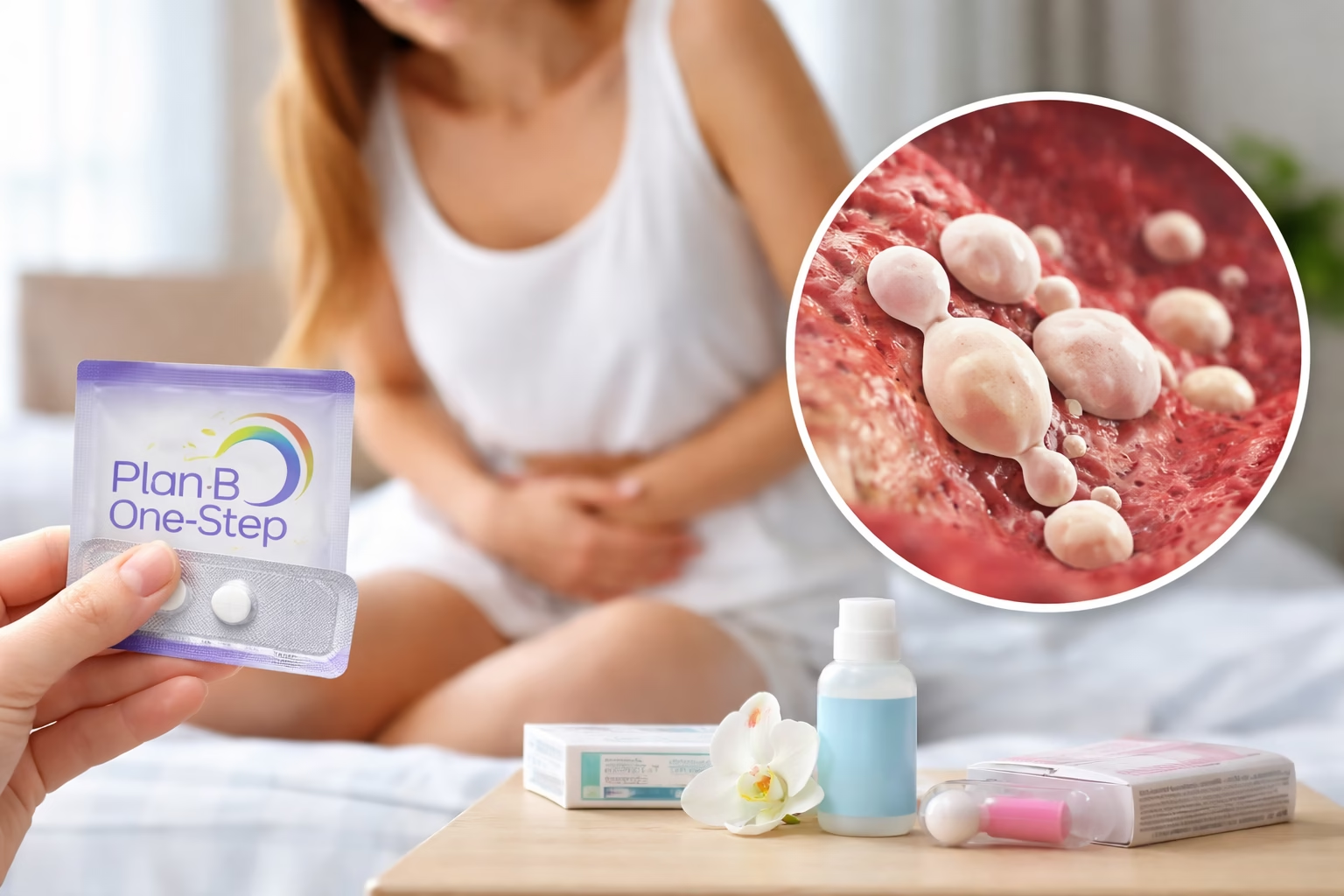
Welcome, curious reader! Have you ever found yourself wondering about the mysterious ways of Plan B and its potential effects on our bodies? Well, you’ve come to the right place! In this article, we’ll delve into the world of emergency contraception and explore whether it can cause a pesky yeast infection. So sit back, relax, and let’s uncover the secrets of Plan B together!
Hey there! Today, let’s talk about Plan B. Ever heard of it? Plan B, also known as the morning-after pill, is an emergency contraceptive that can help prevent pregnancy after unprotected sex or contraceptive failure. It’s like a backup plan when things don’t go as expected.
So, how does Plan B work? Well, it contains a high dose of levonorgestrel, a synthetic hormone that can prevent ovulation, fertilization, or implantation of a fertilized egg in the uterus. It’s important to note that Plan B is most effective when taken within 72 hours of unprotected sex, but the sooner you take it, the better.
Now, you might be wondering if Plan B can cause a yeast infection. The short answer is no, Plan B does not directly cause yeast infections. However, some people may experience changes in their vaginal pH levels or hormonal fluctuations after taking emergency contraception, which could potentially lead to a yeast infection.
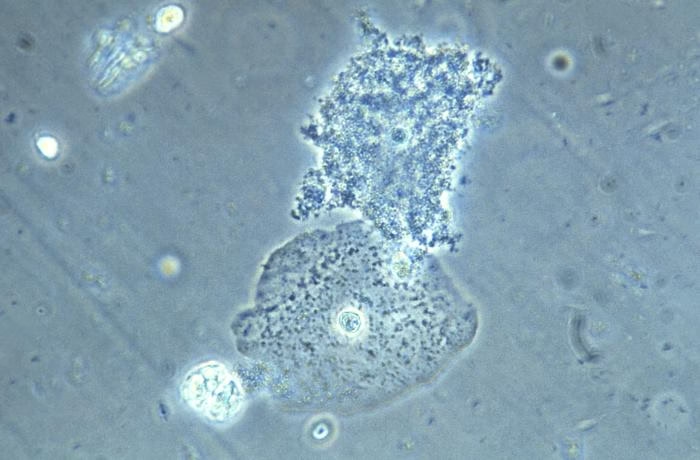
Yeast infections are common fungal infections that can cause itching, burning, and discomfort in the vaginal area. They are usually caused by an overgrowth of a type of yeast called Candida albicans. While Plan B itself does not cause yeast infections, some people may be more prone to developing one after taking emergency contraception.
If you do experience symptoms of a yeast infection after taking Plan B, it’s important to seek medical advice from a healthcare provider. They can confirm the diagnosis and recommend appropriate treatment options.
Remember, everyone’s body is different, and how it reacts to medications like Plan B can vary. If you have concerns or questions about how emergency contraception may affect you, don’t hesitate to talk to your healthcare provider. They can provide personalized guidance and support to help you navigate your reproductive health choices.
So, there you have it – Plan B is a safe and effective option for emergency contraception, and while it doesn’t directly cause yeast infections, it’s always important to listen to your body and seek medical advice if you have any concerns. Stay informed, stay empowered, and take care of yourself!
Can Plan B Cause a Yeast Infection?
Let’s talk about a common concern that many people have after taking emergency contraception – can Plan B cause a yeast infection? It’s a valid question, as there can be some changes in your body after taking this form of birth control. So, let’s dive into this topic and explore what you need to know.
First off, it’s important to understand that Plan B, also known as the morning-after pill, contains a high dose of levonorgestrel, which is a synthetic hormone. This hormone works by preventing ovulation or fertilization, ultimately preventing pregnancy. However, the hormonal changes that occur in your body after taking Plan B can potentially disrupt the natural balance of bacteria and yeast in your vagina, leading to a yeast infection.
Yeast infections are common fungal infections that can affect anyone, regardless of whether they have taken emergency contraception or not. However, the use of Plan B can be a potential trigger for some individuals who are more prone to yeast infections due to hormonal changes.
So, how do you know if you have a yeast infection? Well, there are some common symptoms to look out for, such as:
- Itching and irritation in the vaginal area
- Swelling and redness around the vulva
- Burning sensation during urination or sex
- Thick, white, odorless vaginal discharge
If you are experiencing any of these symptoms after taking Plan B, it’s important to consult with a healthcare provider for proper diagnosis and treatment. Yeast infections can be easily treated with over-the-counter antifungal medications or prescribed medications from your healthcare provider.
It’s also crucial to note that prevention is key when it comes to yeast infections. Some tips to help prevent yeast infections include:
- Avoiding douching, as it can disrupt the natural balance of bacteria in the vagina
- Wearing cotton underwear and loose-fitting clothing to allow for air circulation
- Avoiding tight-fitting pants and synthetic materials that can trap moisture
- Maintaining good hygiene practices, such as changing out of wet clothing promptly
- Eating a balanced diet and avoiding excessive sugar intake, as yeast thrives on sugar
By following these preventative measures and being aware of the potential risk of yeast infections after taking emergency contraception like Plan B, you can take proactive steps to protect your vaginal health and well-being.
Remember, if you have any concerns or experience persistent symptoms, it’s always best to seek guidance from a healthcare professional. Your health and comfort are top priorities, so don’t hesitate to reach out for support and guidance.
Symptoms of a Yeast Infection
So, you may be wondering – how do I know if I have a yeast infection? Well, it’s important to recognize the signs and symptoms so you can address it promptly. Here are some common symptoms to look out for:
- Itching and Irritation: One of the most common symptoms of a yeast infection is intense itching in the vaginal area. It can be really uncomfortable and bothersome, making you feel constantly irritated.
- Abnormal Discharge: If you notice a thick, white, odorless discharge that resembles cottage cheese, it could be a sign of a yeast infection. This discharge may also have a clumpy consistency.
- Burning Sensation: Some women experience a burning sensation during urination or intercourse when they have a yeast infection. This discomfort can be a telltale sign of the infection.
- Redness and Swelling: The vulva and vaginal tissues may appear red, swollen, and inflamed in the case of a yeast infection. This can cause discomfort and pain in the affected area.
- Soreness: Yeast infections can also cause soreness and pain in the vaginal area. This can make everyday activities like walking or sitting uncomfortable.
It’s essential to pay attention to these symptoms and not ignore them. If you suspect that you have a yeast infection, it’s a good idea to consult with your healthcare provider for a proper diagnosis and treatment plan. Keep in mind that other conditions, like bacterial vaginosis or sexually transmitted infections, can also present with similar symptoms. So, getting a professional assessment is crucial for accurate treatment.
Remember, experiencing one or more of these symptoms doesn’t automatically mean you have a yeast infection. However, if you notice persistent discomfort or changes in your vaginal health, seeking medical advice is always the best course of action.
Don’t be embarrassed or shy about discussing these concerns with your healthcare provider. They are there to help you and provide the necessary care to address any issues you may be facing. Your health and well-being are important, so don’t hesitate to seek guidance when needed.
In the next section, we’ll delve into various treatment options for yeast infections and how you can effectively manage this common condition. Stay tuned for more information on taking care of your vaginal health!
Treatment for Yeast Infections
So, you suspect you have a yeast infection – now what? Don’t worry, it’s a common issue that many women face at some point in their lives. The good news is that yeast infections are usually easy to treat, and there are several options available to help you get back to feeling your best.
Over-the-Counter (OTC) Treatments
One of the most common and effective ways to treat a yeast infection is by using over-the-counter antifungal creams, suppositories, or tablets. These products usually contain ingredients like clotrimazole, miconazole, or tioconazole that help to eliminate the yeast causing the infection.
When using these OTC treatments, it’s important to follow the instructions carefully and complete the full course of treatment, even if your symptoms improve before it’s finished. This will help ensure that the infection is fully cleared up and doesn’t come back.
Prescription Medications
If your yeast infection is severe or recurrent, your healthcare provider may prescribe a stronger antifungal medication to help clear up the infection. These medications are usually in the form of creams, ointments, or oral tablets.
It’s crucial to follow your healthcare provider’s instructions when using prescription medications and to complete the full course of treatment to prevent the infection from returning.
Home Remedies
Some people prefer to try natural remedies to treat yeast infections. While these may provide some relief, it’s important to remember that they may not be as effective as OTC or prescription medications in completely clearing up the infection.
Some common home remedies for yeast infections include probiotics, yogurt, garlic, tea tree oil, and boric acid suppositories. However, it’s essential to speak with your healthcare provider before trying any home remedies to ensure they are safe and effective for your specific situation.
Other Tips for Relief
In addition to using medications or home remedies, there are some other things you can do to help ease your symptoms and prevent future yeast infections:
- Wear loose, breathable cotton underwear
- Avoid wearing tight-fitting clothing
- Avoid douching or using scented feminine products
- Keep the genital area clean and dry
- Eat a healthy diet rich in probiotics
- Avoid unnecessary antibiotic use
Remember, if you’re experiencing persistent or severe symptoms of a yeast infection, be sure to consult with your healthcare provider for proper diagnosis and treatment. With the right approach, you can effectively treat and prevent yeast infections, allowing you to get back to feeling comfortable and confident in no time!
So, you’ve heard about yeast infections and you’re wondering how you can prevent them from happening to you? Well, you’ve come to the right place! Yeast infections can be pesky and uncomfortable, but there are steps you can take to lower your risk of developing one. Here are some tips to help you keep those pesky yeast infections at bay:
Prevention of Yeast Infections
1. **Stay Dry and Clean:** Yeast thrives in moist environments, so it’s important to keep your genital area clean and dry. Be sure to change out of wet bathing suits and sweaty workout clothes promptly, and opt for breathable cotton underwear to help keep things dry down there.
2. **Avoid Irritants:** Some products, such as scented tampons, pads, and soaps, can disrupt the natural balance of bacteria and yeast in your vagina, leading to an increased risk of yeast infections. Stick to unscented products and avoid douching, which can also upset the delicate balance of your vaginal flora.
3. **Watch Your Diet:** Some research suggests that a diet high in sugar and refined carbohydrates can feed yeast in the body, potentially leading to yeast infections. Try to maintain a balanced diet rich in fruits, vegetables, whole grains, and lean proteins to help keep your body in balance.
4. **Probiotics:** Probiotics are beneficial bacteria that can help maintain a healthy balance of yeast and bacteria in your body. Consider incorporating probiotic-rich foods like yogurt, kefir, sauerkraut, and kimchi into your diet, or talk to your healthcare provider about taking a probiotic supplement.
5. **Wear Loose-Fitting Clothing:** Tight clothing can create a warm, moist environment that yeast loves. Opt for loose-fitting, breathable clothes to help promote airflow and keep your vaginal area dry.
6. **Practice Safe Sex:** Yeast infections can be passed between sexual partners, so it’s important to practice safe sex to reduce your risk of infection. Use condoms and practice good hygiene before and after sex to help prevent the spread of yeast.
7. **Stay Hydrated:** Drinking plenty of water can help flush out toxins from your body and support overall vaginal health. Aim to drink at least eight 8-ounce glasses of water per day to help keep your body hydrated and functioning optimally.
By following these tips, you can help reduce your risk of developing a yeast infection and keep your vaginal health in check. Remember, if you do experience symptoms of a yeast infection, such as itching, burning, or unusual discharge, be sure to consult with your healthcare provider for proper diagnosis and treatment. Your health is important, so take care of yourself and prioritize your well-being!
Conclusion
Congratulations on making it through this informative journey about yeast infections! By now, you should have a better understanding of what they are, how they can be caused, and what you can do to prevent and treat them.
Remember, yeast infections are a common occurrence for many people, so there’s no need to feel embarrassed or ashamed if you ever experience one. It’s essential to prioritize your health and well-being, and that includes taking care of your intimate areas.
If you suspect that Plan B may have caused a yeast infection for you, don’t panic. While it is a possibility, not everyone will experience this side effect. However, it’s always a good idea to be aware of the symptoms and seek treatment if needed.
When it comes to treating yeast infections, there are several over-the-counter options available. Just make sure to consult with a healthcare professional if you’re unsure about which treatment is right for you.
Prevention is key when it comes to yeast infections. By maintaining good hygiene practices, wearing breathable clothing, and avoiding excessive use of antibiotics, you can significantly reduce your risk of developing a yeast infection.
Lastly, don’t hesitate to reach out to your healthcare provider if you have any concerns or questions about yeast infections. They are there to help you navigate any health issues you may encounter, including yeast infections.
Remember, your health is important, and it’s essential to take care of yourself in every way possible. Stay informed, stay proactive, and most importantly, stay healthy!
Further Reading