














Health A–Z guide
Uterine Conditions
Uterine Conditions: Understanding Causes, Symptoms, and Treatment Options
The uterus is a central organ in the female reproductive system, playing a vital role in menstruation, fertility, and pregnancy. When something affects its structure or function, it can significantly…
Table of Contents
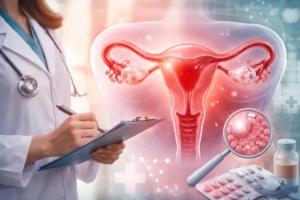
The uterus is a central organ in the female reproductive system, playing a vital role in menstruation, fertility, and pregnancy. When something affects its structure or function, it can significantly impact overall health and quality of life. Uterine conditions refer to a range of disorders that involve the uterus, including structural abnormalities, growths, inflammation, hormonal imbalances, and cancer.
Some uterine conditions are mild and manageable, while others require medical intervention. Early recognition and proper evaluation are key to preventing complications and preserving reproductive health. This article provides a clear and medically grounded overview of common uterine conditions, their causes, symptoms, diagnostic methods, and treatment options.
Overview / Definition
Uterine conditions encompass a broad spectrum of disorders affecting the uterus (womb). These may include:
- Uterine fibroids (leiomyomas): Noncancerous growths in the uterine muscle
- Endometriosis (when affecting the uterine lining or surrounding structures)
- Adenomyosis: Endometrial tissue growing into the muscle wall of the uterus
- Endometrial hyperplasia: Thickening of the uterine lining
- Uterine polyps: Benign overgrowths of the endometrial tissue
- Uterine prolapse: Downward displacement of the uterus into the vaginal canal
- Uterine cancer (endometrial cancer): Malignant growth originating in the uterine lining
- Congenital uterine abnormalities: Structural irregularities present from birth
These conditions vary in severity, symptoms, and long-term implications.
Causes and Risk Factors
Uterine conditions arise from a combination of hormonal, genetic, environmental, and lifestyle factors. Some are influenced by reproductive history and age.
Common Risk Factors
- Hormonal imbalances, particularly excess estrogen
- Age, especially during reproductive years or after menopause
- Family history of uterine disorders or cancer
- Obesity, which increases estrogen production
- Early onset of menstruation (early menarche)
- Never having been pregnant
- Pelvic infections
- Use of certain medications, such as unopposed estrogen therapy
- Weak pelvic floor muscles (for uterine prolapse)
For example:
- Fibroids are more common in women of reproductive age and tend to shrink after menopause.
- Endometrial cancer risk increases after age 50, particularly in individuals with obesity or diabetes.
Symptoms or Clinical Presentation
Symptoms vary widely depending on the condition. Some individuals may have no symptoms at all.
Common Symptoms of Uterine Conditions
- Heavy or prolonged menstrual bleeding
- Irregular menstrual cycles
- Pelvic pain or pressure
- Severe menstrual cramps
- Pain during intercourse
- Infertility or recurrent miscarriage
- Postmenopausal bleeding
- Abnormal vaginal discharge
- Urinary frequency or constipation (if enlarged uterus presses on nearby organs)
Certain symptoms require prompt medical attention, including:
- Bleeding after menopause
- Severe pelvic pain
- Rapid abdominal enlargement
- Unexplained weight loss or fatigue
Diagnosis and Screening
Accurate diagnosis typically involves a combination of clinical evaluation, imaging studies, and sometimes tissue sampling.
Common Diagnostic Tools
- Pelvic examination: Assesses size, shape, and positioning of the uterus
- Ultrasound (transvaginal or abdominal): First-line imaging for fibroids, polyps, and structural abnormalities
- MRI: Provides detailed images of the uterus when more clarity is needed
- Hysteroscopy: Direct visualization of the uterine cavity
- Endometrial biopsy: Tissue sampling to detect hyperplasia or cancer
- Pap smear: Screens for cervical abnormalities (not uterine cancer, but often done during evaluation)
- Blood tests: May assess anemia from heavy bleeding or hormone levels
Routine gynecological visits are essential for early detection of abnormalities, especially for individuals with risk factors.
Treatment and Management Options
Treatment depends on:
- The specific condition
- Severity of symptoms
- Age and overall health
- Desire for future fertility
Medical Treatments
- Hormonal therapies (e.g., oral contraceptives, progestins, hormonal IUDs)
- Gonadotropin-releasing hormone (GnRH) agonists (to shrink fibroids temporarily)
- Nonsteroidal anti-inflammatory drugs (NSAIDs) for pain
- Tranexamic acid to reduce heavy menstrual bleeding
Minimally Invasive Procedures
- Hysteroscopic polypectomy or fibroid removal
- Endometrial ablation
- Uterine artery embolization (for fibroids)
Surgical Treatments
- Myomectomy: Removal of fibroids while preserving the uterus
- Hysterectomy: Removal of the uterus (definitive treatment for some conditions)
- Pelvic floor repair surgery (for uterine prolapse)
Cancer-Specific Treatments
- Surgery (often hysterectomy)
- Radiation therapy
- Chemotherapy
- Hormone therapy, depending on stage and tumor type
Treatment plans are individualized based on clinical findings and patient priorities.
Prevention and Lifestyle Considerations
While not all uterine conditions can be prevented, certain lifestyle measures may reduce risk or improve outcomes:
- Maintain a healthy weight
- Engage in regular physical activity
- Manage chronic conditions such as diabetes and hypertension
- Avoid unopposed estrogen therapy unless medically indicated
- Attend regular gynecological check-ups
- Report abnormal bleeding promptly
Strengthening pelvic floor muscles through exercises (such as Kegels) may help reduce the risk of uterine prolapse.
When to Seek Medical Evaluation
Consult a healthcare professional if you experience:
- Persistent pelvic pain
- Heavy or irregular bleeding
- Bleeding after menopause
- Difficulty conceiving
- Sudden changes in menstrual patterns
Early evaluation can often prevent complications and preserve long-term reproductive health.
Conclusion
Uterine conditions are common and range from benign growths like fibroids to more serious concerns such as endometrial cancer. Many disorders share similar symptoms—such as abnormal bleeding or pelvic pain—making proper medical evaluation essential. Advances in imaging, minimally invasive procedures, and hormonal treatments have greatly improved management options while preserving fertility and quality of life.
Understanding the signs, risk factors, and available treatments empowers individuals to seek timely care and make informed decisions about their reproductive health.
Disclaimer:
This article is intended for educational purposes only and does not substitute professional medical advice. If you are experiencing symptoms or have concerns about your reproductive health, please consult a qualified healthcare provider for personalized evaluation and treatment.
Was this page helpful?
Thanks for your feedback! What could we improve?
Thank you! Your feedback helps us improve our guides.
Our Health A–Z guides are written by the True Impact Health Editorial Team and based on reliable sources such as public health agencies, clinical guidelines and peer-reviewed research. This guide has not yet been medically reviewed. Read our editorial process.
This content is for general information and is not a substitute for professional medical advice, diagnosis or treatment.