










Health A–Z guide
Tummy Tuck
Tummy Tuck: A Comprehensive Guide to Abdominoplasty
A tummy tuck, medically known as abdominoplasty, is a surgical procedure designed to improve the shape and appearance of the abdomen. While it is commonly associated with cosmetic enhancement, it…
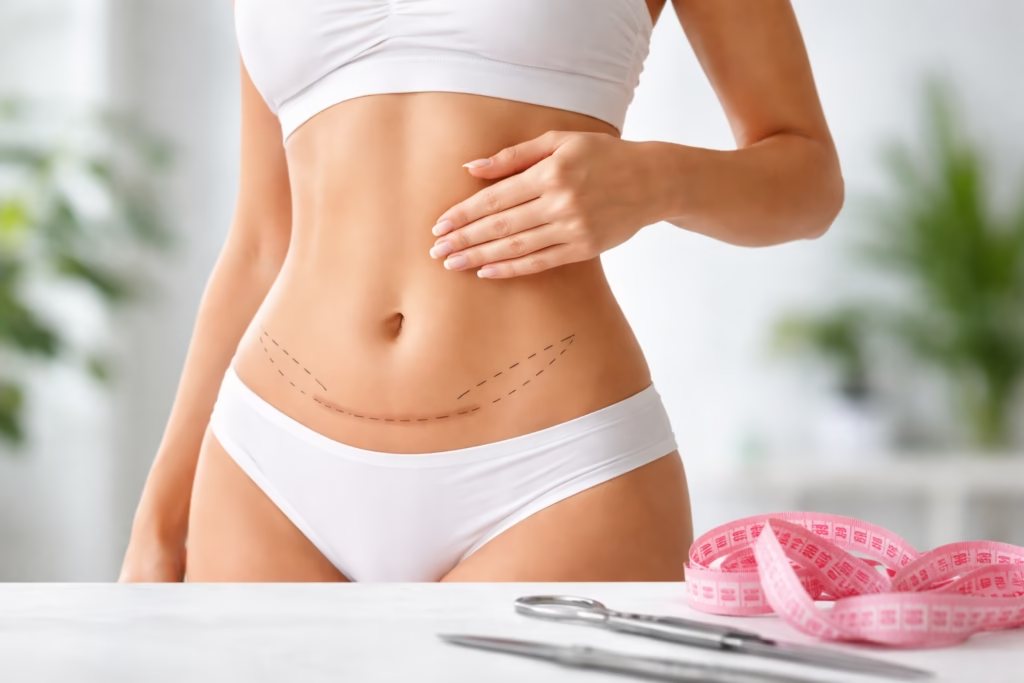
Table of Contents

A tummy tuck, medically known as abdominoplasty, is a surgical procedure designed to improve the shape and appearance of the abdomen. While it is commonly associated with cosmetic enhancement, it can also have functional benefits, such as improving abdominal muscle strength and posture in certain individuals.
This article explains what a tummy tuck involves, who may benefit from it, potential risks, and what you can expect before and after surgery. Whether you’re considering the procedure or simply seeking reliable information, this guide provides a medically accurate and accessible overview.
Overview / Definition
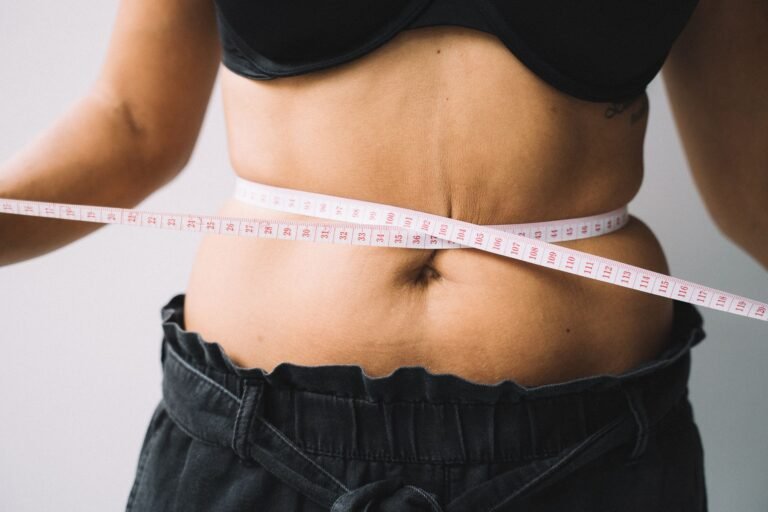
A tummy tuck (abdominoplasty) is a surgical procedure that removes excess skin and fat from the abdomen and often restores weakened or separated abdominal muscles. The result is typically a smoother, firmer abdominal profile.
There are different types of tummy tuck procedures:
- Full abdominoplasty: Involves removal of excess skin and fat from the entire abdominal area and tightening of the underlying muscles.
- Mini tummy tuck: Targets excess skin and fat below the belly button.
- Extended tummy tuck: Includes the abdomen as well as the flanks (love handles).
- Fleur-de-lis abdominoplasty: Removes both vertical and horizontal excess skin, often used after massive weight loss.
It’s important to note that a tummy tuck is not a weight-loss procedure. Instead, it is a body-contouring surgery typically considered after significant weight loss or pregnancy.
Causes or Risk Factors Leading to Consideration of a Tummy Tuck
Several factors can cause excess abdominal skin or weakened abdominal muscles, making someone a candidate for abdominoplasty:
1. Pregnancy
- The abdominal muscles and skin stretch significantly.
- Some individuals develop diastasis recti, a separation of the rectus abdominal muscles.
2. Significant Weight Loss
- Rapid or large weight loss can result in loose, sagging skin that does not retract.
3. Aging
- Natural loss of skin elasticity contributes to sagging tissue.
4. Genetic Predisposition
- Some people naturally carry excess abdominal skin or have poor skin elasticity.
Additional considerations that may affect surgical candidacy include:
- Smoking
- Chronic medical conditions (e.g., diabetes, heart disease)
- Unstable weight
- Future pregnancy plans
Symptoms or Clinical Presentation
People seeking a tummy tuck often report:
- Excess or sagging abdominal skin
- Stubborn localized fat deposits
- Weak or separated abdominal muscles
- Lower back discomfort related to poor abdominal support
- Skin irritation or rashes beneath overhanging folds
In cases of severe diastasis recti, individuals may also notice:
- Abdominal bulging
- Core weakness
- Poor posture
While these concerns are often cosmetic, they may have functional implications in certain patients.
Diagnosis or Screening
Abdominoplasty is not typically “diagnosed” in the traditional sense, as it is an elective surgical procedure. However, careful medical evaluation is essential.
Preoperative Assessment Includes:
- Complete medical history
- Physical examination of the abdomen
- Assessment of skin quality and muscle separation
- Screening for:
- Cardiovascular disease
- Diabetes
- Bleeding disorders
- Obesity-related risks
Your surgeon may also:
- Document baseline photographs
- Discuss surgical goals and realistic expectations
- Review medication use (including blood thinners and supplements)
Patients may be advised to reach a stable weight before surgery.
Treatment or Management Options
1. Surgical Procedure
A traditional full tummy tuck typically involves:
- A horizontal incision between the hips
- Removal of excess skin and fat
- Tightening (plication) of separated abdominal muscles
- Repositioning of the belly button (in full procedures)
- Closure with sutures
The procedure usually takes 2–5 hours and may require general anesthesia.
2. Recovery
Recovery varies but typically includes:
- Swelling and bruising for several weeks
- Use of compression garments
- Limited physical activity for 4–6 weeks
- Gradual return to normal activities
Most individuals return to light activity within 2–3 weeks, though heavy lifting should be avoided for several weeks.
Risks and Potential Complications
As with any surgery, abdominoplasty carries risks. These may include:
- Infection
- Bleeding or hematoma
- Seroma (fluid accumulation)
- Delayed wound healing
- Scarring
- Numbness or altered skin sensation
- Blood clots (deep vein thrombosis or pulmonary embolism)
- Anesthesia-related complications
Risk is higher in individuals who:
- Smoke
- Have obesity
- Have poorly controlled diabetes
- Have cardiovascular disease
Careful patient selection and adherence to postoperative instructions significantly reduce complication rates.
Prevention or Lifestyle Considerations
While a tummy tuck addresses existing concerns, certain lifestyle strategies can help maintain results:
Maintain Stable Weight
- Significant weight fluctuations can stretch the skin again.
Balanced Nutrition
- Adequate protein supports healing.
- Micronutrients (vitamin C, zinc) play roles in tissue repair.
Regular Exercise
- Core strengthening exercises may help maintain abdominal tone.
- Exercise alone, however, cannot remove excess skin.
Avoid Smoking
- Smoking impairs wound healing and increases surgical risks.
It is generally recommended to postpone abdominoplasty until:
- You are finished having children.
- Your weight has been stable for several months.
Frequently Asked Questions
Is a tummy tuck the same as liposuction?
No. Liposuction removes fat but does not tighten skin or repair muscles. Abdominoplasty addresses skin and muscle laxity in addition to fat removal.
Will there be a scar?
Yes. A tummy tuck involves a permanent scar, typically positioned low on the abdomen and often concealed beneath underwear or swimwear.
Are the results permanent?
Results can be long-lasting if a stable weight and healthy lifestyle are maintained.
Conclusion
A tummy tuck (abdominoplasty) is a surgical procedure designed to remove excess abdominal skin and fat while tightening weakened abdominal muscles. It is commonly performed after pregnancy or significant weight loss and can provide both aesthetic and functional improvements.
However, it is major surgery with potential risks and a significant recovery period. Careful evaluation, realistic expectations, and consultation with a qualified healthcare professional are essential before making a decision.
Disclaimer:
This article is intended for educational purposes only and does not constitute medical advice. If you are considering a tummy tuck or have concerns about your abdominal health, consult a board-certified plastic surgeon or qualified healthcare provider for personalized evaluation and guidance.
Was this page helpful?
Thanks for your feedback! What could we improve?
Thank you! Your feedback helps us improve our guides.
Our Health A–Z guides are written by the True Impact Health Editorial Team and based on reliable sources such as public health agencies, clinical guidelines and peer-reviewed research. This guide has not yet been medically reviewed. Read our editorial process.
This content is for general information and is not a substitute for professional medical advice, diagnosis or treatment.