















Health A–Z guide
Supplements
Supplements: What You Need to Know About Safety, Benefits, and Risks
Dietary supplements are widely used around the world to support health, fill nutritional gaps, and manage certain medical conditions. From multivitamins and herbal extracts to protein powders and probiotics, supplements…
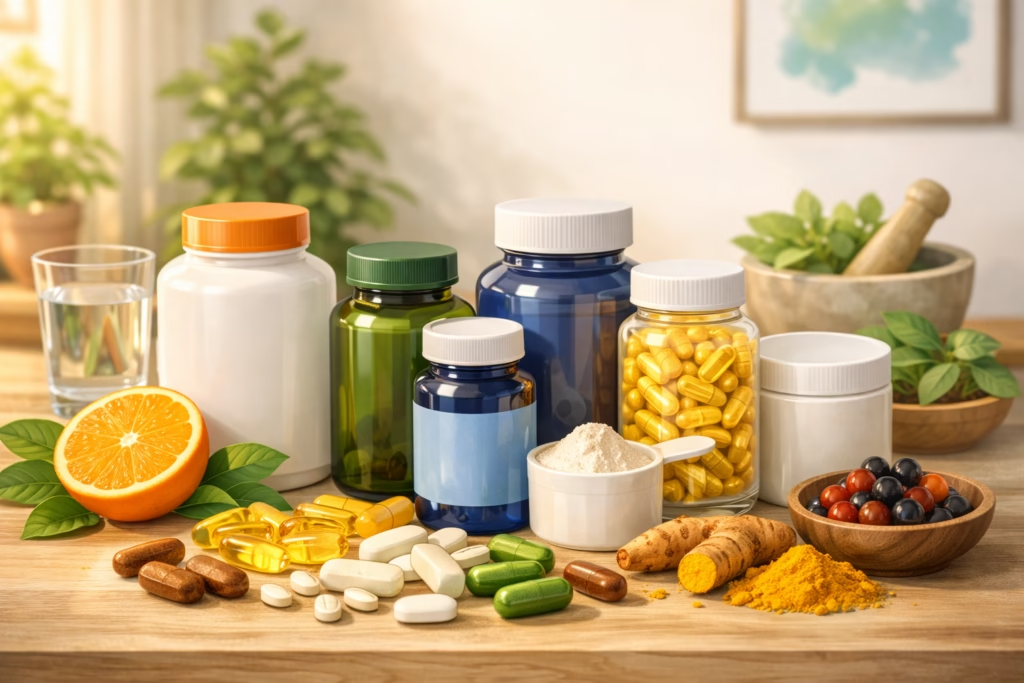
Table of Contents
Dietary supplements are widely used around the world to support health, fill nutritional gaps, and manage certain medical conditions. From multivitamins and herbal extracts to protein powders and probiotics, supplements come in many forms and are often marketed as natural solutions for better health.
But are supplements truly necessary? Are they safe? And how should they be used responsibly?
This article provides an evidence-based overview of supplements, including their purpose, potential benefits and risks, and how to use them safely.
Overview / Definition
Dietary supplements are products intended to supplement the diet. They may contain:
- Vitamins (e.g., vitamin D, vitamin B12)
- Minerals (e.g., iron, calcium, magnesium)
- Herbs and botanicals (e.g., echinacea, ginseng)
- Amino acids (e.g., L-carnitine)
- Enzymes or probiotics
- Other bioactive substances (e.g., omega-3 fatty acids)
Supplements are available in various forms such as:
- Tablets or capsules
- Powders
- Liquids
- Gummies
- Softgels
Unlike prescription medications, dietary supplements are regulated as food products in many countries. This means they are typically not required to undergo the same rigorous pre-market testing for safety and effectiveness as pharmaceutical drugs.
Why Do People Take Supplements? (Causes or Risk Factors)
People use supplements for a variety of reasons, including:
1. Nutritional Deficiencies
Certain populations are at increased risk for deficiencies, such as:
- Vitamin D deficiency (common in individuals with limited sun exposure)
- Iron deficiency (particularly in menstruating women and pregnant individuals)
- Vitamin B12 deficiency (common in older adults and those following plant-based diets)
2. Increased Nutritional Needs
Some life stages or conditions increase nutrient requirements:
- Pregnancy (e.g., folic acid, iron)
- Breastfeeding
- Adolescence
- Aging
3. Chronic Health Conditions
Certain diseases can impair nutrient absorption or increase nutritional needs, including:
- Celiac disease
- Inflammatory bowel disease
- Bariatric surgery history
- Chronic kidney disease
4. Performance or Lifestyle Goals
Individuals may take supplements to:
- Support immune health
- Improve athletic performance
- Build muscle mass
- Enhance energy or cognitive function
Symptoms or Clinical Presentation of Deficiency
While many people take supplements proactively, some use them in response to symptoms of deficiency. Common examples include:
- Iron deficiency: Fatigue, pale skin, shortness of breath
- Vitamin D deficiency: Bone pain, muscle weakness, increased fracture risk
- Vitamin B12 deficiency: Numbness, tingling, anemia, memory issues
- Calcium deficiency (chronic): Increased risk of osteoporosis
It is important to note that symptoms are often non-specific, and laboratory testing is usually needed to confirm a deficiency.
Diagnosis or Screening
Diagnosis of nutritional deficiency typically involves:
1. Clinical Evaluation
A healthcare provider reviews:
- Diet and lifestyle habits
- Medical history
- Current medications
- Symptoms
2. Laboratory Tests
Common screening tests include:
- Serum ferritin (iron stores)
- 25-hydroxy vitamin D level
- Vitamin B12 level
- Thyroid function tests (in fatigue evaluation)
Routine “mega-screening” without medical indication is generally not recommended, as excessive testing can lead to unnecessary supplementation.
Treatment or Management Options
Supplement use should ideally be guided by clinical need.
1. Targeted Supplementation
When a deficiency is confirmed, specific supplements may be prescribed:
- Iron supplements for iron deficiency anemia
- Vitamin D supplementation for documented deficiency
- Calcium and vitamin D for osteoporosis prevention or treatment
- Folic acid before and during early pregnancy
Doses vary depending on severity, age, and underlying conditions. More is not necessarily better.
2. General Multivitamins
For many healthy adults with a balanced diet, routine multivitamin use has not consistently shown strong evidence for preventing major chronic diseases such as heart disease or cancer. However, multivitamins may help individuals with limited dietary intake or food insecurity.
3. Herbal and Specialty Supplements
Herbal supplements (such as turmeric, ginkgo, or St. John’s wort) may have biologically active effects. Importantly:
- Some interact with prescription medications
- Some can cause liver toxicity
- Quality and concentration can vary widely
Consumers should use caution and consult a healthcare professional before starting herbal products.
Risks and Safety Considerations
Although many supplements are safe when used appropriately, risks include:
Over-Supplementation
High doses of certain nutrients can cause harm:
- Vitamin A (excess): Liver toxicity, birth defects
- Vitamin D (excess): High calcium levels, kidney damage
- Iron (excess): Gastrointestinal distress, organ damage
- Water-soluble vitamins (e.g., B6 in very high doses): Nerve damage
Drug Interactions
Examples include:
- St. John’s wort reducing effectiveness of antidepressants or birth control
- Vitamin K interfering with blood thinners
- Calcium affecting absorption of certain antibiotics
Quality Concerns
Because regulation varies by country:
- Potency may differ from label claims
- Some products may contain contaminants or undeclared substances
- Third-party testing (e.g., USP, NSF certification) can improve quality assurance
Prevention or Lifestyle Considerations
For most people, nutrients are best obtained through a balanced diet. Key principles include:
1. Prioritize Whole Foods
A nutrient-rich dietary pattern includes:
- Fruits and vegetables
- Whole grains
- Lean protein sources
- Dairy or fortified alternatives
- Healthy fats (e.g., nuts, seeds, olive oil)
Whole foods provide fiber, antioxidants, and phytonutrients that supplements alone cannot replicate.
2. Safe Sun Exposure
Moderate sunlight exposure supports natural vitamin D production in many individuals.
3. Regular Medical Checkups
Routine healthcare visits allow early detection of deficiencies and chronic conditions.
4. Individualized Approach
Supplements are most effective when tailored to:
- Age
- Sex
- Medical history
- Diet
- Pregnancy status
- Medications
Key Takeaways
- Supplements are designed to support, not replace, a healthy diet.
- They are beneficial in confirmed deficiencies and specific life stages such as pregnancy.
- Not all supplements are harmless—high doses and interactions can pose real health risks.
- Laboratory testing and clinical evaluation help guide appropriate use.
- A balanced diet remains the foundation of good health.
Conclusion
Dietary supplements can play a valuable role in modern health care when used thoughtfully and appropriately. They are particularly helpful in cases of documented deficiency, increased nutritional requirements, or certain medical conditions. However, indiscriminate or high-dose supplementation can lead to adverse effects and drug interactions.
The safest and most effective approach is evidence-based, individualized use guided by qualified healthcare professionals.
Disclaimer:
This article is intended for educational purposes only and does not constitute medical advice. Always consult a qualified healthcare professional before starting, stopping, or changing any supplement regimen, especially if you have underlying medical conditions or take prescription medications.
Was this page helpful?
Thanks for your feedback! What could we improve?
Thank you! Your feedback helps us improve our guides.
Our Health A–Z guides are written by the True Impact Health Editorial Team and based on reliable sources such as public health agencies, clinical guidelines and peer-reviewed research. This guide has not yet been medically reviewed. Read our editorial process.
This content is for general information and is not a substitute for professional medical advice, diagnosis or treatment.