







Health A–Z guide
Stroke
Stroke: Understanding the Signs, Causes, Treatment, and Prevention
Stroke is a leading cause of death and long-term disability worldwide. It can happen suddenly, often without warning, and its effects can be life-changing. However, early recognition, rapid treatment, and…
Table of Contents
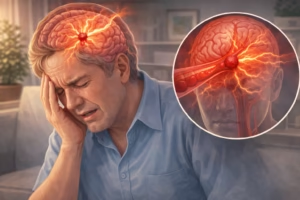
Stroke is a leading cause of death and long-term disability worldwide. It can happen suddenly, often without warning, and its effects can be life-changing. However, early recognition, rapid treatment, and targeted prevention strategies can dramatically reduce its impact.
In this article, we’ll explore what a stroke is, why it happens, how it’s diagnosed and treated, and—most importantly—how it can often be prevented.
Overview: What Is a Stroke?
A stroke occurs when blood flow to part of the brain is interrupted or reduced. Because brain cells depend on a constant supply of oxygen and nutrients, even a few minutes without adequate blood flow can cause brain cells to die.
There are three main types of stroke:
- Ischemic Stroke (most common – about 85%)
- Caused by a blockage in a blood vessel supplying the brain
- Often due to a blood clot or buildup of fatty deposits (atherosclerosis)
- Hemorrhagic Stroke
- Caused by bleeding in or around the brain
- Occurs when a blood vessel ruptures
- Transient Ischemic Attack (TIA)
- Sometimes called a “mini-stroke”
- Caused by a temporary blockage
- Symptoms resolve within minutes to hours but serve as a critical warning sign
Stroke is a medical emergency. The faster treatment begins, the better the chances of minimizing brain damage.
Causes and Risk Factors
While strokes can affect anyone, certain conditions and lifestyle factors increase risk.
Non-Modifiable Risk Factors
These cannot be changed:
- Increasing age
- Male sex (though women have higher lifetime risk)
- Family history of stroke
- Prior stroke or TIA
- Certain inherited blood disorders
Modifiable Risk Factors
These are conditions or habits that can often be managed:
- High blood pressure (hypertension) – the most significant risk factor
- Diabetes
- High cholesterol
- Smoking
- Obesity
- Physical inactivity
- Excessive alcohol consumption
- Atrial fibrillation (irregular heart rhythm)
- Heart disease
Managing modifiable risk factors significantly reduces stroke risk.
Symptoms and Clinical Presentation
Stroke symptoms typically appear suddenly. Recognizing them quickly can save lives.
A helpful acronym is F.A.S.T.:
- F – Face drooping
- A – Arm weakness
- S – Speech difficulty
- T – Time to call emergency services
Other common symptoms include:
- Sudden numbness or weakness (especially on one side of the body)
- Confusion or difficulty understanding speech
- Sudden vision problems in one or both eyes
- Severe headache with no known cause (more common in hemorrhagic stroke)
- Difficulty walking, dizziness, or loss of coordination
Even if symptoms resolve quickly (possible TIA), immediate medical evaluation is critical.
Diagnosis and Screening
When a stroke is suspected, rapid evaluation is essential.
Initial Assessment
Healthcare professionals typically perform:
- Physical and neurological examination
- Blood pressure measurement
- Blood tests
Imaging Tests
Brain imaging helps determine the type of stroke:
- CT scan (Computed Tomography) – Often the first test to rule out bleeding
- MRI (Magnetic Resonance Imaging) – Offers more detailed images of brain tissue
Additional Tests
To identify the source of the stroke, doctors may conduct:
- Carotid ultrasound
- Echocardiogram (heart ultrasound)
- Electrocardiogram (ECG)
- Blood clotting studies
Unlike some conditions, routine population-wide screening for stroke itself isn’t standard. However, screening for high blood pressure, diabetes, and atrial fibrillation plays a major preventive role.
Treatment and Management Options
Treatment depends on the type and timing of the stroke.
Ischemic Stroke Treatment
The primary goal is restoring blood flow:
- Intravenous thrombolysis (clot-busting medication):
- Most effective when given within 4.5 hours of symptom onset
- Mechanical thrombectomy:
- A minimally invasive procedure to remove large clots
- Can be effective up to 24 hours in selected patients
Hemorrhagic Stroke Treatment
Treatment focuses on controlling bleeding and pressure in the brain:
- Blood pressure management
- Medications to reduce brain swelling
- Surgery to repair ruptured blood vessels (in some cases)
Rehabilitation
Recovery often requires multidisciplinary rehabilitation, including:
- Physical therapy (mobility and strength)
- Occupational therapy (daily living skills)
- Speech and language therapy
- Psychological support
Early and consistent rehabilitation significantly improves outcomes.
Prevention and Lifestyle Considerations
The good news: many strokes are preventable.
Key Prevention Strategies
- Maintain healthy blood pressure
- Control blood sugar and cholesterol levels
- Quit smoking
- Engage in regular physical activity (at least 150 minutes per week)
- Maintain a healthy weight
- Eat a balanced diet:
- Emphasize fruits and vegetables
- Choose whole grains
- Limit salt and processed foods
- Limit alcohol consumption
- Treat atrial fibrillation appropriately (often with anticoagulants)
For individuals who have already had a stroke or TIA, secondary prevention may include:
- Antiplatelet medications (e.g., aspirin)
- Anticoagulants (for certain heart conditions)
- Statins
- Blood pressure medications
Prevention is one of the most powerful tools in reducing stroke burden globally.
Conclusion
Stroke is a medical emergency that occurs when blood flow to the brain is disrupted. It can lead to serious disability or death, but rapid treatment and early recognition dramatically improve outcomes. Understanding the warning signs, managing risk factors such as high blood pressure and diabetes, and maintaining a healthy lifestyle are critical steps in prevention.
Awareness truly saves lives—knowing the signs and acting quickly can make all the difference.
Disclaimer:
This article is for educational purposes only and is not a substitute for professional medical advice, diagnosis, or treatment. If you suspect a stroke or have concerns about your health, seek immediate medical attention and consult a qualified healthcare professional.
Was this page helpful?
Thanks for your feedback! What could we improve?
Thank you! Your feedback helps us improve our guides.
Our Health A–Z guides are written by the True Impact Health Editorial Team and based on reliable sources such as public health agencies, clinical guidelines and peer-reviewed research. This guide has not yet been medically reviewed. Read our editorial process.
This content is for general information and is not a substitute for professional medical advice, diagnosis or treatment.