















Health A–Z guide
Strep Throat
Strep Throat: Causes, Symptoms, Diagnosis, and Treatment
Strep throat is a common bacterial infection that affects the throat and tonsils. While many sore throats are caused by viruses, strep throat is specifically caused by bacteria and may…
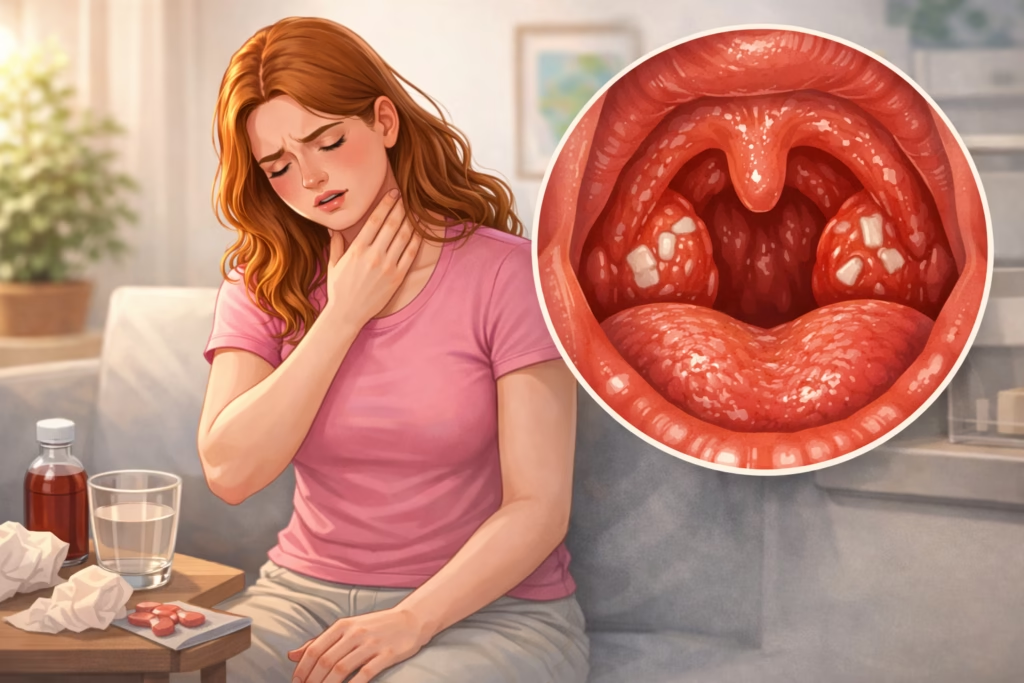
Table of Contents
Strep throat is a common bacterial infection that affects the throat and tonsils. While many sore throats are caused by viruses, strep throat is specifically caused by bacteria and may require targeted medical treatment. Understanding the signs, causes, and management options is essential for early diagnosis and proper care.
This article provides a medically accurate overview of strep throat, including how it spreads, how it is treated, and when to seek medical evaluation.
Overview / Definition
Strep throat is an infection of the throat and tonsils caused by a type of bacteria known as Group A Streptococcus (GAS), or Streptococcus pyogenes. It is most common in children and adolescents but can occur at any age.
Unlike viral sore throats, which typically resolve on their own, strep throat often requires antibiotic treatment to prevent complications and reduce transmission.
Causes and Risk Factors
What Causes Strep Throat?
Strep throat is caused by Group A Streptococcus bacteria, which spread through:
- Respiratory droplets from coughing or sneezing
- Close personal contact (e.g., kissing, sharing utensils)
- Touching contaminated surfaces and then touching the mouth or nose
Risk Factors
Certain factors increase the likelihood of infection:
- Age: Most common in children aged 5–15
- Close-contact settings: Schools, daycare centers, dormitories
- Season: More frequent in late fall, winter, and early spring
- Household exposure: Living with someone diagnosed with strep throat
Symptoms and Clinical Presentation
Symptoms of strep throat often appear suddenly and may include:
- Severe sore throat
- Pain when swallowing
- Fever (typically 101°F / 38.3°C or higher)
- Red, swollen tonsils (sometimes with white patches or streaks of pus)
- Swollen, tender lymph nodes in the neck
- Small red spots on the roof of the mouth (petechiae)
- Headache
- Nausea or vomiting (more common in children)
Symptoms Less Common in Strep Throat
If a sore throat is accompanied by the following, a viral infection may be more likely:
- Cough
- Runny nose
- Hoarseness
- Conjunctivitis (pink eye)
One notable complication of untreated strep throat is scarlet fever, characterized by a fine, red rash that feels like sandpaper.
Diagnosis and Screening
Because symptoms of viral and bacterial sore throats can overlap, laboratory testing is often needed to confirm strep throat.
Diagnostic Methods
- Rapid Antigen Detection Test (RADT):
- Provides results within minutes
- Detects bacterial antigens
- If negative in children, often followed by a throat culture
- Throat Culture:
- More sensitive than rapid tests
- Results typically take 24–48 hours
- Considered the gold standard for diagnosis
Accurate diagnosis ensures appropriate treatment and reduces unnecessary antibiotic use.
Treatment and Management Options
Antibiotic Therapy
If confirmed, strep throat is treated with antibiotics, typically:
- Penicillin or amoxicillin (first-line treatments)
- Alternatives for those with penicillin allergies (e.g., certain cephalosporins, macrolides, or clindamycin)
Benefits of antibiotics include:
- Shortening symptom duration
- Reducing contagiousness
- Preventing complications such as:
- Rheumatic fever
- Post-streptococcal glomerulonephritis
- Peritonsillar abscess
It is important to complete the full course of prescribed antibiotics, even if symptoms improve.
Symptom Relief
Supportive care can improve comfort:
- Over-the-counter pain relievers (e.g., acetaminophen or ibuprofen, as directed)
- Warm saltwater gargles
- Adequate hydration
- Soft foods
- Rest
Most individuals begin to feel better within 24–48 hours after starting antibiotics.
Potential Complications
If left untreated, strep throat may lead to:
- Rheumatic fever (can affect the heart, joints, and nervous system)
- Kidney inflammation (post-streptococcal glomerulonephritis)
- Peritonsillar abscess
- Ear or sinus infections
Early diagnosis and appropriate treatment significantly reduce these risks.
Prevention and Lifestyle Considerations
While not all cases can be prevented, several measures can reduce the risk of spread:
- Wash hands frequently with soap and water
- Avoid sharing food, drinks, or utensils
- Cover coughs and sneezes
- Clean commonly touched surfaces
- Replace toothbrush 24–48 hours after starting antibiotics
- Stay home from school or work until at least 24 hours after beginning antibiotic therapy
Practicing good respiratory hygiene is especially important in group settings.
When to Seek Medical Evaluation
Medical assessment is recommended if you or your child experience:
- Sudden severe sore throat with fever
- Difficulty swallowing or breathing
- Persistent symptoms beyond a few days
- Rash accompanying a sore throat
- Recurring sore throats
Prompt evaluation helps ensure accurate diagnosis and proper management.
Conclusion
Strep throat is a common but treatable bacterial infection caused by Group A Streptococcus. It typically presents with sudden sore throat, fever, and swollen tonsils without the cold-like symptoms seen in viral infections. Diagnosis requires testing, and appropriate antibiotic treatment helps prevent complications and limit spread.
Early recognition, proper therapy, and preventive practices are key to managing this condition effectively.
Disclaimer
This article is for educational purposes only and does not constitute medical advice. If you suspect strep throat or have concerning symptoms, consult a qualified healthcare professional for proper evaluation and treatment.
Was this page helpful?
Thanks for your feedback! What could we improve?
Thank you! Your feedback helps us improve our guides.
Our Health A–Z guides are written by the True Impact Health Editorial Team and based on reliable sources such as public health agencies, clinical guidelines and peer-reviewed research. This guide has not yet been medically reviewed. Read our editorial process.
This content is for general information and is not a substitute for professional medical advice, diagnosis or treatment.