












Health A–Z guide
Skin Health
Skin Health: A Complete Guide to Understanding, Protecting, and Maintaining Your Skin
Healthy skin is more than a cosmetic concern, it is a vital component of overall well-being. As the body’s largest organ, the skin serves as a protective barrier against environmental…
Table of Contents
Healthy skin is more than a cosmetic concern, it is a vital component of overall well-being. As the body’s largest organ, the skin serves as a protective barrier against environmental threats, regulates temperature, prevents fluid loss, and supports immune defense. Maintaining skin health involves understanding how the skin functions, recognizing risk factors for common conditions, and adopting evidence-based prevention and treatment strategies.
This comprehensive guide explores the essentials of skin health, including causes of skin problems, clinical signs to watch for, diagnostic approaches, and practical ways to support healthy skin.
Overview: What Is Skin Health?
Skin health refers to the optimal functioning and structural integrity of the skin. The skin comprises three main layers:
- Epidermis (outer layer): Provides waterproofing and serves as a barrier.
- Dermis (middle layer): Contains collagen, elastin, nerves, blood vessels, and hair follicles.
- Subcutaneous tissue (inner layer): Provides insulation and cushioning.
Healthy skin typically appears:
- Even in tone (though natural pigmentation varies)
- Smooth and well-hydrated
- Free of persistent inflammation or lesions
- Resilient to minor environmental stressors
However, skin health can be affected by aging, genetics, environmental exposure, medical conditions, and lifestyle factors.
Causes and Risk Factors for Skin Problems
Numerous factors can influence skin health. Some are unavoidable, while others can be modified through lifestyle changes or medical interventions.
1. Environmental Factors
- Ultraviolet (UV) radiation from sun exposure
- Air pollution
- Extreme temperatures
- Low humidity
Excessive UV exposure, in particular, is a leading cause of premature aging and skin cancer.
2. Lifestyle Factors
- Smoking (reduces blood flow and accelerates aging)
- Poor nutrition
- Chronic stress
- Inadequate sleep
- Dehydration
3. Genetic Predisposition
Conditions such as eczema, psoriasis, acne, and rosacea often have hereditary components.
4. Hormonal Changes
Hormonal fluctuations during puberty, pregnancy, or menopause can alter oil production and skin texture.
5. Medical Conditions and Medications
- Autoimmune disorders
- Diabetes
- Allergies
- Certain medications (e.g., corticosteroids, chemotherapy drugs) may affect skin integrity.
Understanding these risk factors is essential for prevention and early intervention.
Symptoms and Clinical Presentation
Changes in skin health can manifest in many ways. Recognizing early signs can help prevent complications.
Common symptoms include:
- Persistent redness or inflammation
- Dryness, itching, or scaling
- Acne or breakouts
- Pigmentation changes
- Rashes or hives
- Unusual moles or growths
- Delayed wound healing
- Excessive oiliness
Warning Signs That Require Medical Evaluation
- Rapid changes in a mole (size, shape, color)
- Non-healing sores
- Severe pain, swelling, or spreading redness
- Signs of infection (pus, warmth, fever)
These symptoms may indicate underlying conditions requiring professional assessment.
Diagnosis and Screening
Diagnosis of skin conditions typically begins with a clinical examination by a healthcare professional. Dermatologists are specialists trained in identifying skin disorders.
Common Diagnostic Approaches:
- Visual examination
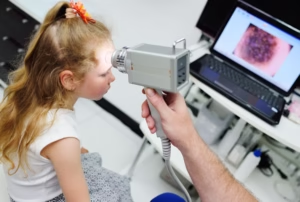
- Dermatoscopy (magnified skin imaging)
- Skin biopsy (microscopic examination of tissue)
- Allergy patch testing
- Laboratory blood tests (when systemic illness is suspected)
Skin Cancer Screening
Routine self-examinations are encouraged. The ABCDE rule helps identify suspicious moles:
- A – Asymmetry
- B – Border irregularity
- C – Color variation
- D – Diameter larger than 6 mm
- E – Evolving or changing appearance
Early detection significantly improves treatment outcomes for skin cancer.
Treatment and Management Options
Treatment varies depending on the underlying condition but generally aims to restore barrier function, reduce inflammation, and manage symptoms.
1. Topical Therapies
- Moisturizers and emollients
- Topical corticosteroids
- Retinoids (for acne and aging)
- Antifungal or antibacterial creams
- Sunscreens with broad-spectrum SPF
2. Oral Medications
- Antibiotics
- Antihistamines
- Immunomodulating drugs
- Hormonal therapies
- Isotretinoin for severe acne
3. Procedural Interventions
- Laser therapy
- Cryotherapy
- Chemical peels
- Surgical removal of lesions
- Phototherapy for psoriasis or eczema
4. Specialized Treatments
Conditions like autoimmune skin disorders may require advanced biologic therapies under specialist supervision.
Treatment plans are individualized based on severity, age, medical history, and response to previous therapies.
Prevention and Lifestyle Considerations
While not all skin conditions can be prevented, many aspects of skin health are influenced by daily habits.
Sun Protection
- Use broad-spectrum sunscreen (SPF 30 or higher)
- Wear protective clothing and hats
- Avoid peak sun hours (10 a.m.–4 p.m.)
- Do not use indoor tanning devices
Proper Skincare Routine
- Gentle cleansing twice daily
- Regular moisturizing, especially after bathing
- Avoid harsh scrubs or over-exfoliation
- Choose products suited to your skin type
Nutrition and Hydration
Skin reflects internal health. A balanced diet supports skin integrity.
Beneficial nutrients include:
- Vitamin C (collagen production)
- Vitamin E (antioxidant protection)
- Omega-3 fatty acids (anti-inflammatory)
- Zinc (wound healing)
Lifestyle Habits
- Avoid smoking
- Manage stress through mindfulness or exercise
- Maintain adequate sleep (7–9 hours per night)
- Stay hydrated
Routine Medical Checkups
Annual skin evaluations are especially important for individuals with:
- Fair skin
- High sun exposure
- Family history of skin cancer
- Numerous moles
The Role of Aging in Skin Health
As we age, collagen production decreases, skin becomes thinner, and elasticity diminishes. Common aging-related changes include:
- Fine lines and wrinkles
- Age spots (solar lentigines)
- Increased dryness
- Slower wound healing
Healthy habits, particularly sun protection and moisturizing, can significantly reduce visible aging and support long-term skin resilience.
Conclusion
Skin health is a dynamic reflection of both internal and external influences. Maintaining healthy skin involves protecting it from environmental damage, identifying risk factors, practicing consistent skincare, and seeking timely medical care for concerning changes.
Key takeaways include:
- The skin serves essential protective and regulatory functions.
- UV radiation and lifestyle habits significantly affect skin health.
- Early recognition of abnormal changes supports better outcomes.
- Prevention, including sun protection and healthy living—plays a central role in maintaining skin integrity.
By understanding how the skin functions and what affects it, individuals can make informed choices that promote resilience, comfort, and long-term health.
Disclaimer: This article is for educational purposes only and does not constitute medical advice. If you have specific concerns about your skin or notice unusual changes, consult a qualified healthcare professional for personalized evaluation and treatment.
Was this page helpful?
Thanks for your feedback! What could we improve?
Thank you! Your feedback helps us improve our guides.
Our Health A–Z guides are written by the True Impact Health Editorial Team and based on reliable sources such as public health agencies, clinical guidelines and peer-reviewed research. This guide has not yet been medically reviewed. Read our editorial process.
This content is for general information and is not a substitute for professional medical advice, diagnosis or treatment.