













Health A–Z guide
Skin Care and Products
Skin Care and Products: A Complete Medical Guide to Healthy Skin
Healthy skin is more than a cosmetic goal, it is a vital part of overall well-being. As the body’s largest organ, the skin acts as a barrier against environmental damage,…
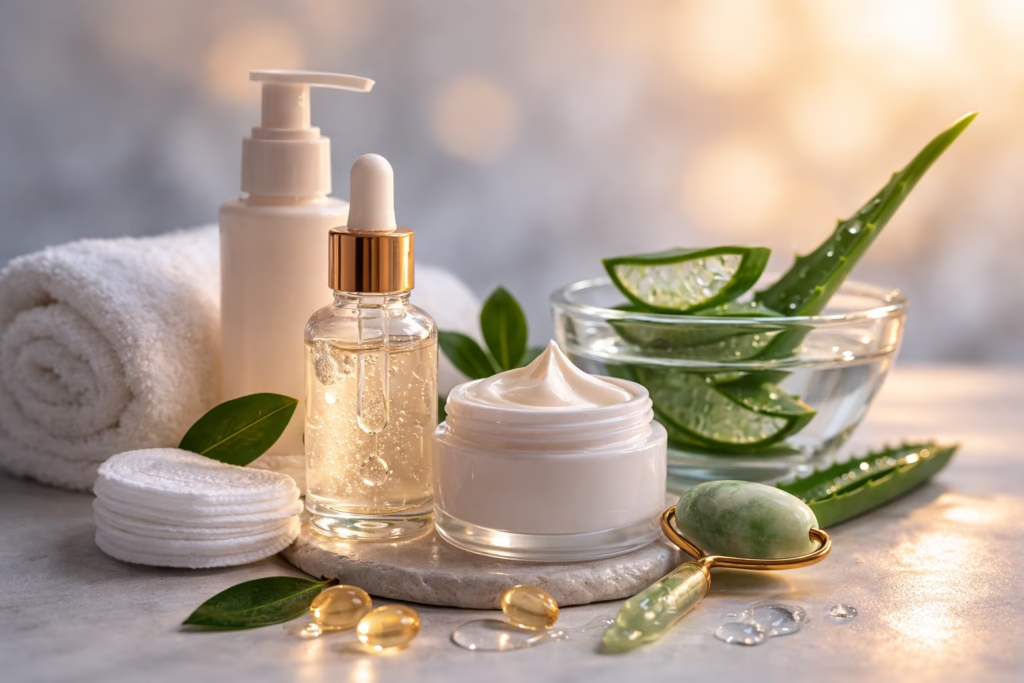
Table of Contents

Healthy skin is more than a cosmetic goal, it is a vital part of overall well-being. As the body’s largest organ, the skin acts as a barrier against environmental damage, regulates body temperature, and supports immune function. With countless skin care products available today, understanding how skin works and how to care for it properly is essential.
This article provides a medically accurate overview of skin care and products, including common conditions, risk factors, treatment approaches, and practical prevention strategies.
Overview: What Is Skin Care?
Skin care refers to the habits, products, and medical treatments used to maintain healthy skin and manage skin conditions. It typically includes:
- Cleansing
- Moisturizing
- Sun protection
- Treatment of specific concerns (e.g., acne, eczema, pigmentation)
A proper skin care routine protects the skin barrier—the outermost layer that prevents water loss and defends against irritants, bacteria, and UV radiation.
The Basic Structure of the Skin
The skin consists of three main layers:
- Epidermis: The outer layer that provides barrier function.
- Dermis: Contains collagen, elastin, blood vessels, and nerves.
- Subcutaneous tissue: Deeper layer made of fat and connective tissue for insulation and cushioning.
Understanding this structure helps explain how different products work.
Causes and Risk Factors for Skin Problems
Skin concerns can arise due to internal and external factors.
Common Risk Factors
- Genetics: Family history of acne, eczema, psoriasis, or skin cancer.
- Hormonal changes: Puberty, pregnancy, menopause.
- Sun exposure: Ultraviolet (UV) radiation accelerates aging and increases skin cancer risk.
- Environmental factors: Pollution, dry climates, harsh weather.
- Lifestyle factors: Smoking, poor nutrition, stress, lack of sleep.
- Improper product use: Harsh cleansers or over-exfoliation can damage the skin barrier.
Certain medical conditions (e.g., diabetes, autoimmune diseases) may also affect skin health.
Symptoms and Clinical Presentation
Different skin conditions present with varying signs and symptoms.
Common Skin Concerns
1. Acne
- Pimples, blackheads, whiteheads
- Inflammation and redness
- Sometimes scarring
2. Eczema (Atopic Dermatitis)
- Dry, itchy skin
- Red, inflamed patches
- Cracked or scaly areas
3. Rosacea
- Persistent facial redness
- Visible small blood vessels
- Sensitivity and burning sensation
4. Hyperpigmentation
- Dark patches or spots
- Often triggered by sun exposure or inflammation
5. Skin Aging
- Fine lines and wrinkles
- Loss of firmness
- Uneven skin tone
Recognizing symptoms early allows for appropriate care and medical evaluation when needed.
Diagnosis and Screening
Most common skin concerns are diagnosed based on clinical examination by a healthcare professional.
When to Seek Medical Evaluation
- Persistent or worsening rashes
- New or changing moles
- Non-healing wounds
- Severe acne that causes scarring
- Sudden skin discoloration or unexplained symptoms
For skin cancer prevention, dermatologists recommend routine skin checks, particularly for individuals with:
- Fair skin
- History of sunburns
- Family history of melanoma
- Multiple or atypical moles
Early detection significantly improves outcomes in skin cancer.
Treatment and Management Options
Treatment depends on the specific condition and its severity. Skin care products vary in function and active ingredients.
Core Skin Care Products
1. Cleansers
- Remove dirt, oil, and bacteria
- Gentle, fragrance-free cleansers are recommended for sensitive skin
- Avoid overly harsh soaps that disrupt the skin barrier
2. Moisturizers
- Restore hydration and strengthen the skin barrier
- Contain ingredients like:
- Ceramides
- Glycerin
- Hyaluronic acid
- Petrolatum
3. Sunscreens
- Broad-spectrum protection (UVA and UVB)
- SPF 30 or higher generally recommended
- Mineral (zinc oxide, titanium dioxide) and chemical formulations available
Targeted Treatments
For Acne:
- Benzoyl peroxide
- Salicylic acid
- Topical retinoids
- Oral medications in moderate to severe cases
For Hyperpigmentation:
- Vitamin C
- Niacinamide
- Azelaic acid
- Prescription-strength retinoids or hydroquinone (under medical supervision)
For Eczema:
- Thick emollients
- Topical corticosteroids (short-term use)
- Calcineurin inhibitors in some cases
For Aging Skin:
- Retinoids (stimulate collagen production)
- Antioxidants (vitamin C, vitamin E)
- Peptides
Medical treatments such as laser therapy, chemical peels, or procedural interventions may be recommended by dermatologists for certain conditions.
Prevention and Lifestyle Considerations
Prevention plays a central role in maintaining skin health.
Daily Skin Care Habits
- Cleanse gently once or twice daily
- Apply moisturizer regularly
- Use sunscreen every day, regardless of weather
- Avoid excessive exfoliation
Healthy Lifestyle Strategies
- Eat a balanced diet rich in fruits, vegetables, and healthy fats
- Stay hydrated
- Avoid smoking
- Manage stress
- Get adequate sleep
Limiting sun exposure and avoiding tanning beds are among the most important preventive measures for skin aging and skin cancer.
Choosing the Right Products
Selecting appropriate products depends on your skin type:
- Oily skin: Lightweight, oil-free formulations
- Dry skin: Rich creams with occlusive ingredients
- Sensitive skin: Fragrance-free, hypoallergenic products
- Combination skin: Targeted application of different products
Patch testing new products can help reduce the risk of irritation.
Conclusion
Skin care is not merely cosmetic, it is an essential part of maintaining overall health. An effective routine includes gentle cleansing, proper moisturization, and consistent sun protection. Understanding common skin conditions, risk factors, and evidence-based treatments empowers individuals to make informed choices.
While many skin concerns can be managed with over-the-counter products and preventive habits, persistent or severe symptoms require professional evaluation.
Disclaimer:
This article is for educational purposes only and does not constitute medical advice. Always consult a qualified healthcare professional or dermatologist for personalized evaluation, diagnosis, and treatment of any skin condition.
Was this page helpful?
Thanks for your feedback! What could we improve?
Thank you! Your feedback helps us improve our guides.
Our Health A–Z guides are written by the True Impact Health Editorial Team and based on reliable sources such as public health agencies, clinical guidelines and peer-reviewed research. This guide has not yet been medically reviewed. Read our editorial process.
This content is for general information and is not a substitute for professional medical advice, diagnosis or treatment.