














Health A–Z guide
Reconstructive Surgery
Reconstructive Surgery: Restoring Form and Function
Reconstructive surgery is a specialized field of medicine focused on repairing physical defects caused by birth conditions, trauma, disease, or previous surgeries. Unlike cosmetic surgery, which primarily enhances appearance, reconstructive…
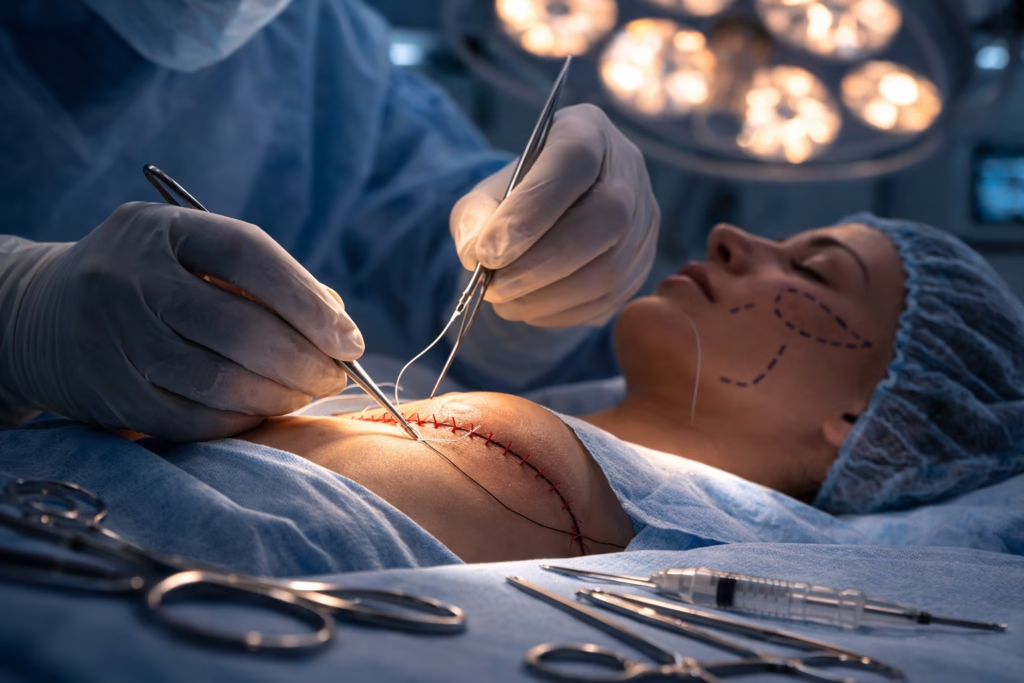
Table of Contents
Reconstructive surgery is a specialized field of medicine focused on repairing physical defects caused by birth conditions, trauma, disease, or previous surgeries. Unlike cosmetic surgery, which primarily enhances appearance, reconstructive surgery aims to restore both function and natural appearance. From rebuilding facial structures after an accident to reconstructing a breast after mastectomy, these procedures play a vital role in improving quality of life.
In this article, we will explore what reconstructive surgery involves, who may need it, how it is performed, and what patients can expect from diagnosis through recovery.
Overview / Definition
Reconstructive surgery is a branch of plastic surgery dedicated to correcting abnormalities of the body. These abnormalities may affect:
- The face and skull (craniofacial defects)
- Hands and extremities
- Breasts
- Skin and soft tissues
- Internal structures affected by injury or disease
The primary goals of reconstructive surgery are to:
- Restore normal function (e.g., speech, mobility, sensation)
- Repair structural defects
- Improve appearance after injury or illness
- Support psychological and emotional well-being
Common types of reconstructive procedures include:
- Breast reconstruction after mastectomy
- Cleft lip and palate repair
- Burn reconstruction
- Scar revision surgery
- Hand surgery
- Skin grafts and flap procedures
Causes or Risk Factors
Reconstructive surgery may be necessary due to a variety of medical conditions or events, including:
1. Congenital (Present at Birth) Conditions
- Cleft lip and palate
- Craniosynostosis (premature fusion of skull bones)
- Congenital hand deformities
2. Trauma or Injury
- Motor vehicle accidents
- Workplace injuries
- Animal bites
- Severe burns
3. Cancer Treatment
- Breast reconstruction after mastectomy
- Facial reconstruction after skin cancer removal
- Head and neck reconstruction after tumor removal
4. Chronic Diseases and Infections
- Diabetic foot complications
- Pressure ulcers
- Severe infections affecting soft tissue
Risk factors that increase the likelihood of needing reconstructive surgery include:
- Occupational or high-risk activities
- Smoking (which can impair healing)
- Advanced diabetes
- Untreated infections
- Certain genetic conditions
Symptoms or Clinical Presentation
Unlike many medical conditions, reconstructive surgery does not treat a “disease” with symptoms in the traditional sense. Instead, patients may experience functional or physical challenges such as:
- Difficulty breathing due to nasal structural issues
- Impaired speech from cleft palate
- Limited movement due to severe scarring or contractures
- Pain or discomfort following trauma
- Visible deformities affecting self-esteem
In some cases, emotional and psychological distress—such as anxiety or depression related to appearance—may accompany physical symptoms.
Diagnosis or Screening
The need for reconstructive surgery is typically determined through:
Clinical Evaluation
A surgeon assesses:
- The extent of structural damage
- Functional impairment
- Overall medical history
- Previous surgeries
Imaging Studies
Depending on the case, diagnostic tools may include:
- X-rays
- CT scans
- MRI scans
- 3D imaging for surgical planning
Multidisciplinary Consultation
Complex cases often involve collaboration with:
- Oncologists
- Orthopedic surgeons
- ENT specialists
- Speech therapists
- Physical therapists
A comprehensive evaluation helps determine whether surgery is appropriate and what technique will yield the best result.
Treatment or Management Options
Treatment in reconstructive surgery is highly individualized. Options vary depending on the condition, severity, and patient health.
1. Skin Grafts
Skin is taken from one part of the body (donor site) and transplanted to another area.
- Commonly used for burns
- May be split-thickness or full-thickness grafts
2. Flap Surgery
Unlike grafts, flap procedures transfer skin along with underlying tissue and blood supply.
Types of flaps:
- Local flaps
- Regional flaps
- Free flaps (microsurgical tissue transfer)
3. Tissue Expansion
A balloon-like device is inserted under the skin and gradually inflated to stretch tissue for reconstruction. This is often used in breast reconstruction and scalp repair.
4. Microsurgery
Highly specialized procedures using microscopes to reconnect tiny blood vessels and nerves. Commonly used in:
- Limb reattachment
- Complex facial reconstruction
- Breast reconstruction using autologous tissue
5. Prosthetics and Implants
Medical-grade implants may be used to restore contour and structure, such as:
- Breast implants
- Facial implants
- Custom prosthetic limbs
Recovery and Rehabilitation
Recovery varies depending on the procedure performed. Patients may require:
- Wound care management
- Physical therapy
- Occupational therapy
- Speech therapy (in craniofacial cases)
- Psychological support
Healing time can range from weeks to several months. Smoking cessation, proper nutrition, and adherence to medical instructions significantly improve outcomes.
Prevention or Lifestyle Considerations
Not all reconstructive surgeries are preventable, especially those related to birth defects or cancer. However, certain measures may reduce risk:
- Wearing protective gear during sports and work
- Practicing fire safety
- Maintaining proper diabetes management
- Avoiding tobacco use
- Seeking early treatment for suspicious skin lesions
For patients planning surgery, optimizing overall health beforehand can reduce complications and promote better healing.
Psychological and Quality-of-Life Impact
Reconstructive surgery often has profound emotional benefits. Restoring physical appearance and function can:
- Improve confidence
- Enhance social interactions
- Reduce stigma associated with visible deformities
- Improve overall quality of life
However, realistic expectations are essential. Surgeons typically discuss achievable outcomes and potential risks prior to surgery.
Risks and Potential Complications
As with any surgery, reconstructive procedures carry potential risks, including:
- Infection
- Bleeding
- Poor wound healing
- Scarring
- Loss of graft or flap tissue
- Anesthesia-related complications
Careful surgical planning and post-operative monitoring significantly reduce these risks.
Conclusion
Reconstructive surgery is a medically essential field focused on restoring both function and form after injury, disease, or congenital abnormalities. Through advanced techniques such as grafts, flaps, microsurgery, and implants, surgeons can dramatically improve patients’ physical abilities and quality of life.
While it is a complex and highly individualized process, modern reconstructive techniques offer safe and effective solutions for many conditions. Early evaluation, proper medical care, and realistic expectations are key to successful outcomes.
Disclaimer:
This article is intended for educational purposes only and does not constitute medical advice. If you are considering reconstructive surgery or have concerns about a specific condition, please consult a qualified healthcare professional for personalized evaluation and guidance.
Was this page helpful?
Thanks for your feedback! What could we improve?
Thank you! Your feedback helps us improve our guides.
Our Health A–Z guides are written by the True Impact Health Editorial Team and based on reliable sources such as public health agencies, clinical guidelines and peer-reviewed research. This guide has not yet been medically reviewed. Read our editorial process.
This content is for general information and is not a substitute for professional medical advice, diagnosis or treatment.