
















Health A–Z guide
Overactive Bladder
Overactive Bladder: Understanding the Urgency and How to Manage It
Overactive bladder (OAB) is a common yet often misunderstood condition that affects millions of people worldwide. While it can feel embarrassing or disruptive, it is a medical condition—not simply a…
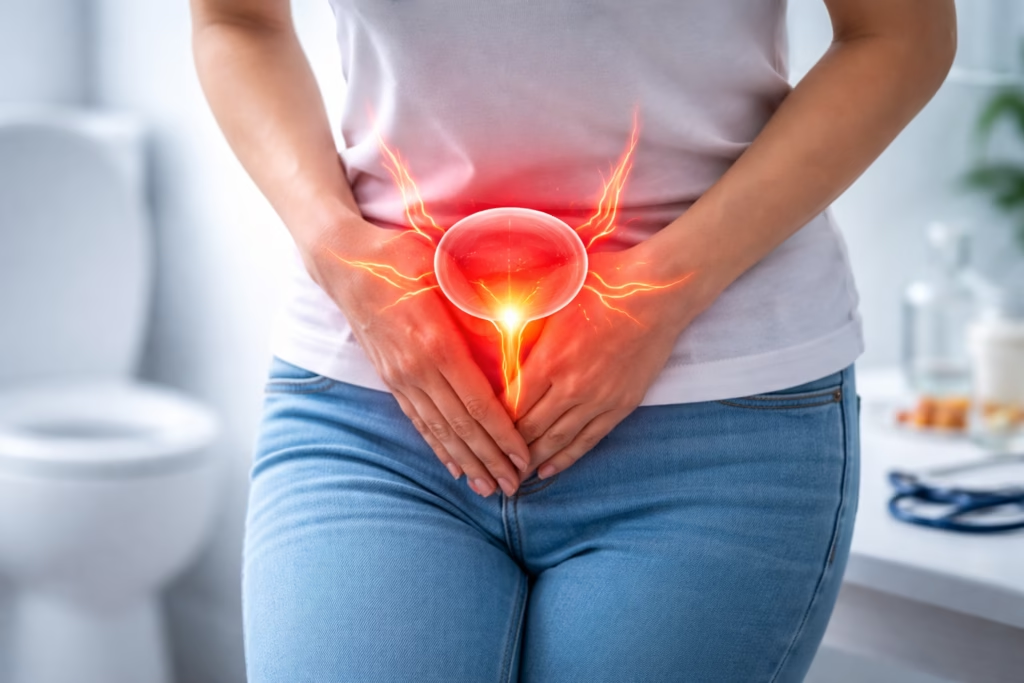
Table of Contents

Overactive bladder (OAB) is a common yet often misunderstood condition that affects millions of people worldwide. While it can feel embarrassing or disruptive, it is a medical condition—not simply a normal part of aging or something you must “just live with.” The good news is that effective treatments and management strategies are available.
In this article, we’ll explore what overactive bladder is, its causes and symptoms, how it’s diagnosed, and the latest evidence-based treatment options.
Overview: What Is Overactive Bladder?
Overactive bladder (OAB) is a clinical syndrome defined by urinary urgency, usually accompanied by increased frequency and nighttime urination (nocturia), with or without urge urinary incontinence (leakage following urgency).
Key features include:
- Urgency: A sudden, strong need to urinate that is difficult to delay
- Frequency: Urinating more than 8 times in 24 hours
- Nocturia: Waking up more than once at night to urinate
- Urge incontinence: Involuntary leakage preceded by urgency
Importantly, OAB is diagnosed when these symptoms occur without an obvious infection or other clear cause, such as bladder stones or tumors.
Causes and Risk Factors
Overactive bladder occurs when the bladder muscle (detrusor muscle) contracts involuntarily, even when the bladder is not full. These unwanted contractions create urgency and frequency.
Common Causes
- Neurological conditions (e.g., Parkinson’s disease, multiple sclerosis, stroke)
- Diabetes, which can affect nerve function
- Bladder outlet obstruction, such as an enlarged prostate
- Age-related bladder changes
Risk Factors
- Increasing age
- Postmenopausal status
- Prostate enlargement in men
- Obesity
- Chronic constipation
- High caffeine or alcohol intake
- Pelvic surgery history
In many individuals, however, no specific underlying cause is identified.
Symptoms and Clinical Presentation
The hallmark symptom of OAB is urinary urgency. Other associated symptoms include:
- Frequent urination during the day
- Waking several times per night to urinate
- Leakage of urine before reaching the restroom
- Anxiety about bathroom access
Symptoms may vary in severity. Some individuals experience mild inconvenience, while others find their quality of life significantly affected, limiting social activities, travel, or sleep.
Diagnosis and Evaluation
There is no single test for overactive bladder. Diagnosis is primarily based on clinical history and symptom assessment.
Typical Evaluation Includes:
- Detailed medical history
- Symptom diary (recording fluid intake, urination times, leakage episodes)
- Physical examination
- Urinalysis to rule out infection or blood in the urine
Additional tests may be performed if symptoms are atypical or do not respond to initial treatment:
- Bladder ultrasound (to measure residual urine volume)
- Urodynamic testing (to assess bladder function)
- Cystoscopy (to visualize the bladder lining)
The key goal of evaluation is to exclude other causes, such as urinary tract infections, stones, or malignancy.
Treatment and Management Options
Overactive bladder is highly treatable. Management typically follows a stepwise approach, beginning with conservative strategies.
1. Behavioral and Lifestyle Interventions (First-Line Treatment)
These are foundational and often highly effective:
- Bladder training (scheduled voiding intervals that gradually increase)
- Pelvic floor muscle exercises (Kegels)
- Fluid management
- Reducing caffeine, alcohol, and artificial sweeteners
- Weight loss (if overweight)
- Treating constipation
Behavioral therapy can significantly reduce urgency and incontinence episodes.
2. Medications
If lifestyle changes are insufficient, medications may be prescribed.
Antimuscarinics
- Oxybutynin
- Tolterodine
- Solifenacin
These medications reduce involuntary bladder contractions.
Possible side effects:
- Dry mouth
- Constipation
- Blurred vision
Beta-3 Adrenergic Agonists
- Mirabegron
- Vibegron
These relax the bladder muscle and may have fewer dry mouth effects.
Medication selection depends on:
- Age
- Other medical conditions
- Side effect profile
- Patient preference
3. Advanced Therapies (For Refractory Cases)
When symptoms persist despite behavioral and medication therapy, advanced options may be considered:
- Botulinum toxin (Botox) injections into the bladder muscle
- Sacral neuromodulation (a device that modulates bladder nerve signals)
- Percutaneous tibial nerve stimulation (PTNS)
These therapies are typically managed by urologists or specialists in pelvic health.
Prevention and Lifestyle Considerations
While not all cases of overactive bladder can be prevented, the following may reduce risk or symptom severity:
- Maintain a healthy weight
- Engage in regular pelvic floor strengthening
- Avoid excessive caffeine and alcohol
- Manage blood sugar if diabetic
- Treat constipation proactively
- Stay physically active
Maintaining bladder health is part of overall wellness, and early management can prevent symptoms from worsening.
Living With Overactive Bladder
It’s important to emphasize that OAB is common and treatable. Many people delay seeking care due to embarrassment, but open discussion with a healthcare provider can lead to meaningful improvements.
Supportive measures such as absorbent protection, travel planning, and patient education can improve confidence and social engagement while treatment is underway.
Conclusion
Overactive bladder is characterized by urgency, frequency, and sometimes incontinence due to involuntary bladder muscle activity. Although it can significantly impact quality of life, it is not an inevitable part of aging—and effective treatments are available.
From behavioral therapy and medications to advanced neuromodulation techniques, a wide range of options can help manage symptoms. Early evaluation is key to excluding other causes and developing an individualized treatment approach.
Disclaimer:
This article is intended for educational purposes only and does not replace professional medical evaluation or advice. If you are experiencing urinary symptoms, please consult a qualified healthcare professional for accurate diagnosis and appropriate treatment.
Was this page helpful?
Thanks for your feedback! What could we improve?
Thank you! Your feedback helps us improve our guides.
Our Health A–Z guides are written by the True Impact Health Editorial Team and based on reliable sources such as public health agencies, clinical guidelines and peer-reviewed research. This guide has not yet been medically reviewed. Read our editorial process.
This content is for general information and is not a substitute for professional medical advice, diagnosis or treatment.